


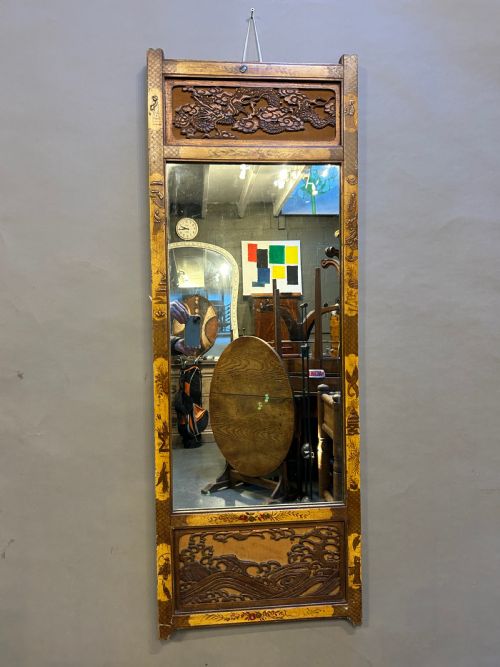


Lacquered Gold Wall Mirror
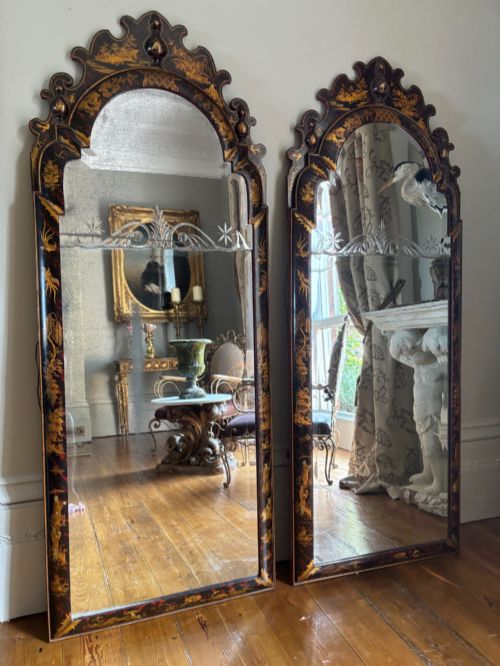
These lacquered gold wall mirrors bring together rich orientalist surface decoration and classic European forms across periods from the eighteenth century to the mid-twentieth century.
Lacquered Gold Wall Mirror
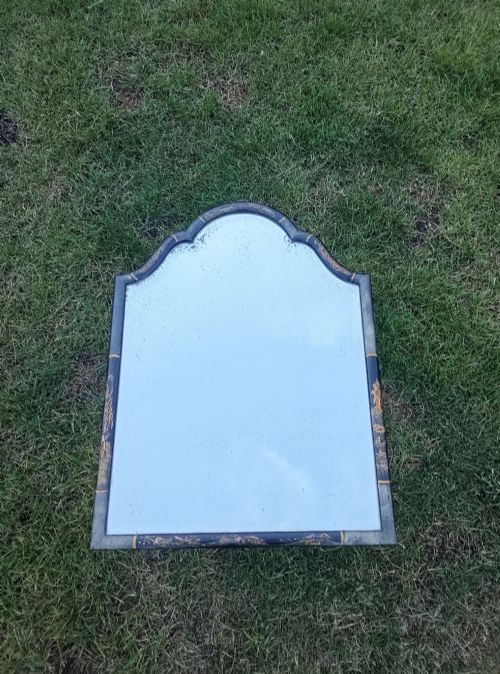
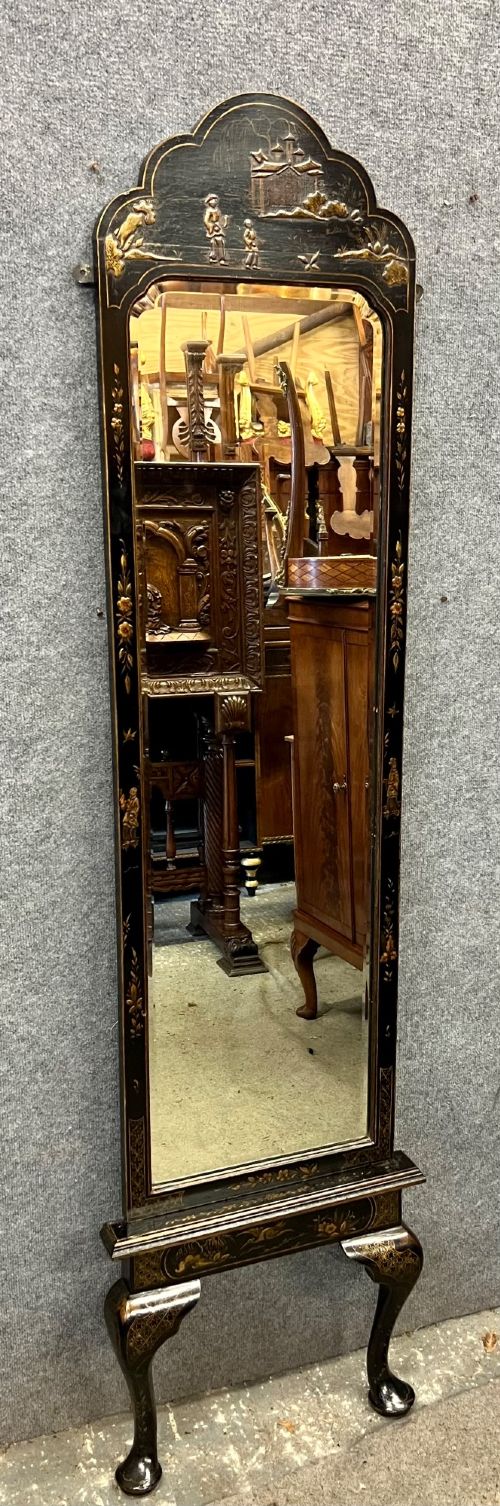
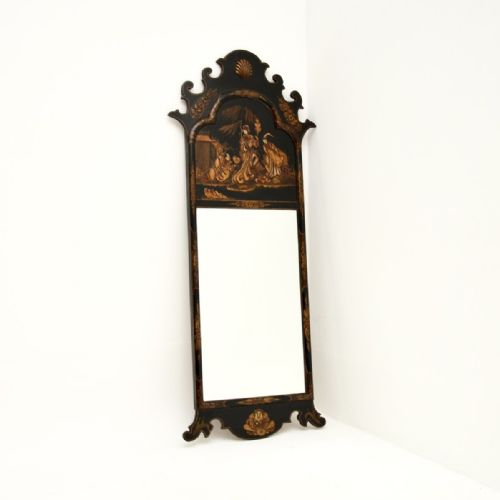
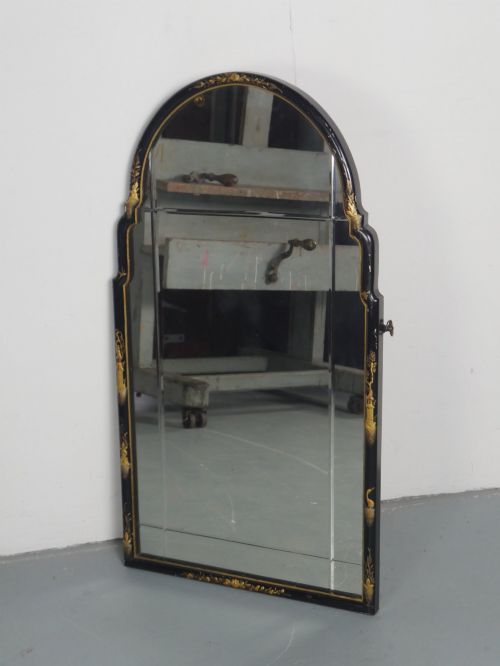
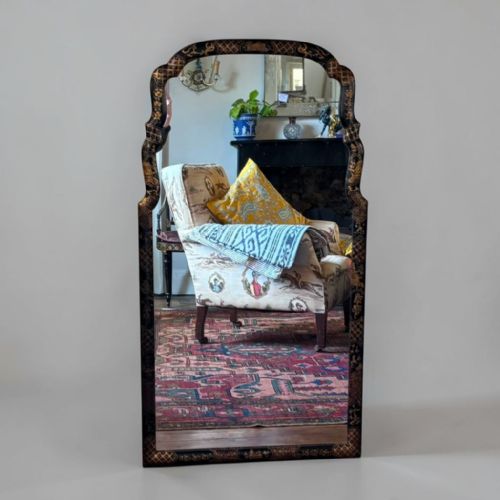
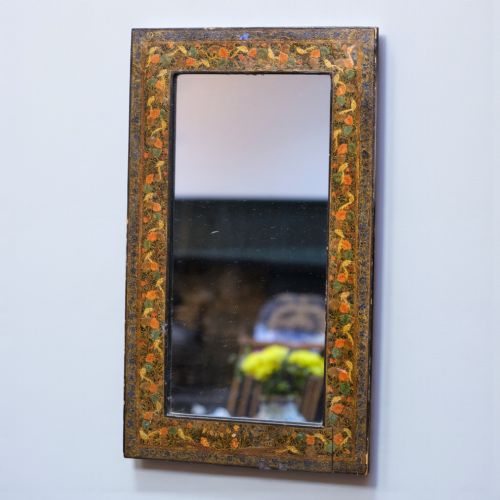
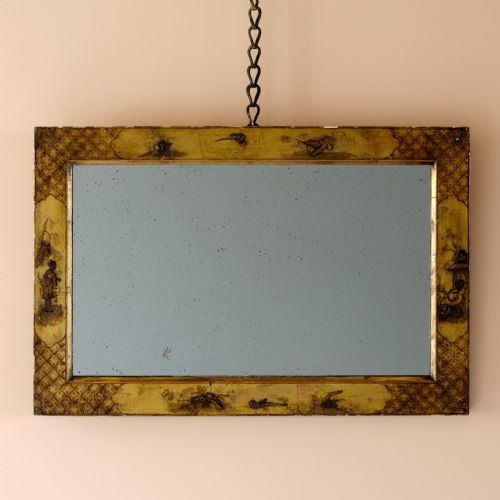
A lacquered gold wall mirror combines deep black, red, or scarlet lacquered timber with gilded highlights and intricate Chinoiserie motifs. These decorative hanging plates serve both functional purposes in hallways and reception rooms and act as striking focal points.
The selection here encompasses various interpretations, from early revival pieces recalling the Georgian and Queen Anne eras to Kashmiri and Anglo-Indian works. Pier mirrors, oval formats, and console table pairings also appear among the objects.
Buyers most frequently encounter items dating from the nineteenth and early twentieth centuries, including Edwardian interpretations and pieces from the nineteen-twenties and nineteen-thirties. These range from subtle black oval frames to bold scarlet and giltwood compositions.
How they were made
The foundation relies on carved wood or timber frames treated with multiple coats of lacquer to achieve a dense, glossy surface. Artisans then applied gold leaf and giltwood details by hand to highlight raised motifs and edge mouldings.
Chinoiserie designs were hand-painted or built up in low relief, depicting figures, landscapes, and floral patterns characteristic of Eastern influences adapted by European workshops. Mirror glass is typically set within rebated frames, sometimes accompanied by gilt brass mounts.
Lacquered Gold Wall Mirror Retail Price Guide 2026
Typical asking prices for lacquered gold wall mirror among the pieces listed under this phrase on Sellingantiques today, from the lower quarter to the upper quarter. They describe what is for sale here now, not the wider market.
Listings feature periods spanning from eighteen hundred through to the nineteen-thirties, incorporating Edwardian and nineteenth-century examples alongside earlier style revivals.
What varies in quality
The depth of the lacquer finish and the precision of the hand-applied gold leaf set individual examples apart. Superior pieces display complex, multi-layered Chinoiserie detailing with crisp execution rather than flat, stencilled decoration.
Structural integrity of the carved timber and the preservation of the original gilding dictate the overall standard. The subtlety of the joinery and the quality of the reflective mirror glass further distinguish higher-tier examples from simpler commercial production.
The Lacquered Gold Wall Mirror Glossary
- Chinoiserie
- A European artistic style reflecting Chinese and East Asian motifs, prominent in furniture and mirror decoration. It frequently employs lacquered grounds and golden figures.
- Japanned
- A European imitation of Japanese and Chinese lacquerwork, created by applying resinous varnishes to wood. This technique produces a hard, glossy black or red finish.
- Pier mirror
- A tall wall mirror designed specifically to hang on the narrow pier of wall space between windows. These often coordinate with console tables placed underneath.
- Giltwood
- Wood that has been prepared and coated with a thin layer of gold leaf or gold powder. It provides a luminous, reflective trim to frames.
- Queen Anne Revival
- A late nineteenth and early twentieth-century design movement that reinterprets early eighteenth-century English furniture forms. Mirrors from this period often feature shaped crestings and japanned surfaces.
Lacquered Gold Wall Mirror: Frequently Asked Questions
How do I hang a heavy lacquered gold wall mirror?
These mirrors often carry substantial weight due to their solid wood frames and glass plates. Ensure you locate appropriate wall studs or utilise heavy-duty wall fixings suited to the specific partition type.
Distribute the load evenly across secure brackets or wire rated well above the weight of the frame to prevent movement over time.
Where should I place a pier mirror in a room?
Traditionally, pier mirrors hang in the narrow wall space between two windows to bounce natural light deeper into the interior. They also work effectively above console tables in hallways or living spaces.
Positioning the reflective surface opposite a window maximises illumination and creates an expanded sense of space within smaller rooms.
How do I clean a lacquered and gilt surface?
Dust the frame gently with a soft, dry microfibre cloth to remove loose particles without disturbing the delicate gold leaf. Avoid abrasive cleaners, excess water, or chemical solvents that can degrade the aged lacquer.
Clean the glass plate using a minimal amount of glass cleaner applied directly to the cloth rather than the mirror itself to protect the surrounding wood.
How do I distinguish an Edwardian revival piece from an earlier original?
Examine the construction methods, the condition of the backing boards, and the nature of the mirror glass itself. Earlier pieces often display hand-beveled edges and specific wood ageing patterns distinct from twentieth-century manufacturing.
Stylistic cues also help indicate the period, as revival pieces often blend proportions from Georgian and Queen Anne eras with contemporary hardware.