





Lacquered Bamboo Furniture
Lacquered bamboo furniture brings exotic Chinoiserie charm and lightweight practicality into a room through decorative panels and natural canes.
Lacquered Bamboo Furniture
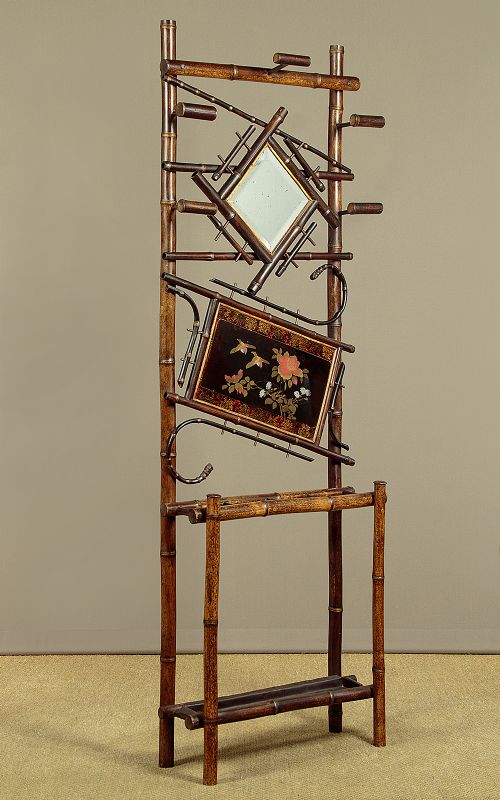
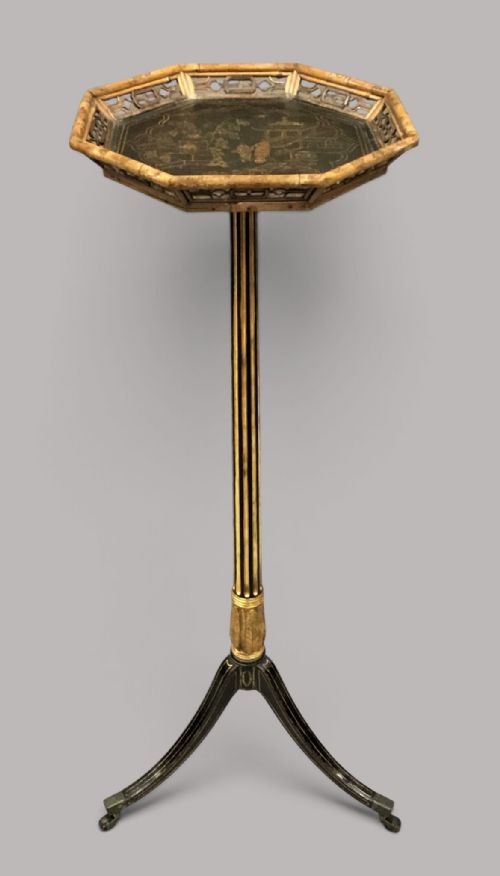
When you search for lacquered bamboo furniture, you encounter items shaped by Victorian and nineteenth century tastes for Eastern design. Occasional tables, side tables, and magazine racks dominate the selections.
The aesthetic movement heavily influences these forms, often pairing natural bamboo with contrasting surfaces. You also find specialised pieces like sewing tables, Canterbury racks, and hall stands.
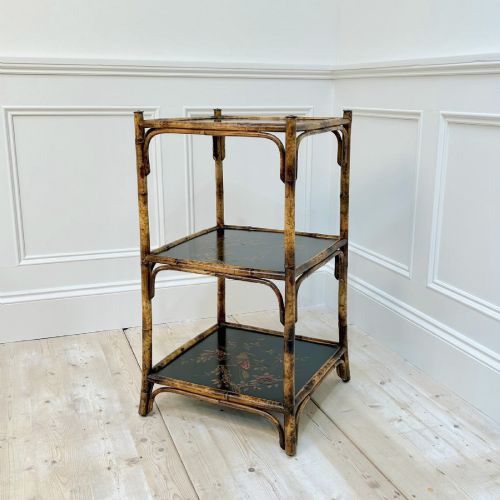
Nineteenth century makers utilised bamboo frames to support lacquered or papier-mâché panels. These hybrid pieces merge structural canework with detailed ornamental painting.
How they were made
Craftsmen built lightweight frames using natural or tiger bamboo, sometimes supported by ebonised wood or timber. Brass and glass components occasionally complete the construction.
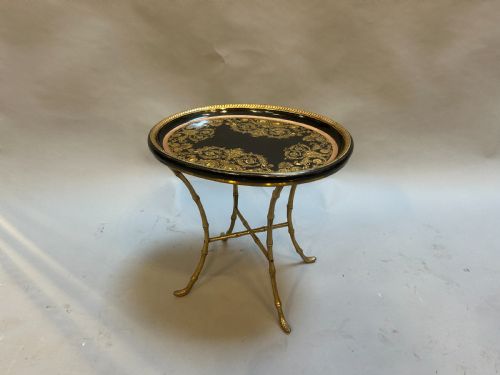
Surfaces feature applied lacquer, often displaying Chinoiserie motifs and japanned decoration. Papier-mâché trays on stands incorporate painted panels fixed securely to wooden or bamboo supports.
Lacquered Bamboo Furniture Retail Price Guide 2026
Typical asking prices for lacquered bamboo furniture among the pieces listed under this phrase on Sellingantiques today, from the lower quarter to the upper quarter. They describe what is for sale here now, not the wider market.
What varies in quality
The refinement of the painted lacquer panels distinguishes finer examples from simpler functional items. Crisp detailing in the Chinoiserie scenes elevates a piece significantly.
Joinery and bamboo selection also dictate overall grade. Tiger bamboo patterns and robust structural stability mark the higher tier of the range.
The Lacquered Bamboo Furniture Glossary
- Chinoiserie
- European artistic style reflecting Chinese motifs. It appears frequently on the lacquered panels of these tables and cabinets.
- Canterbury
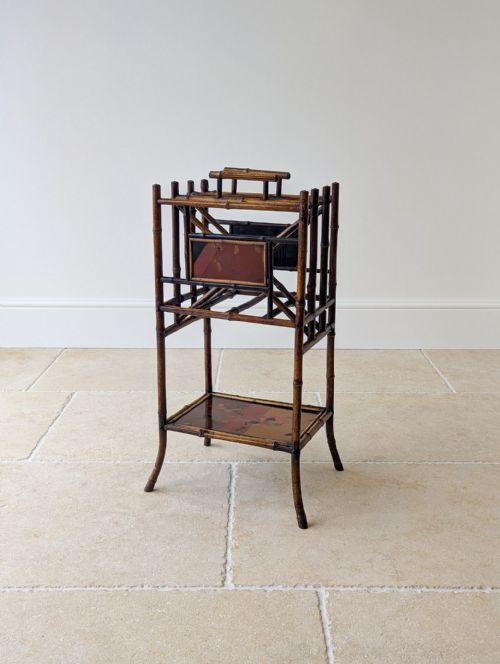
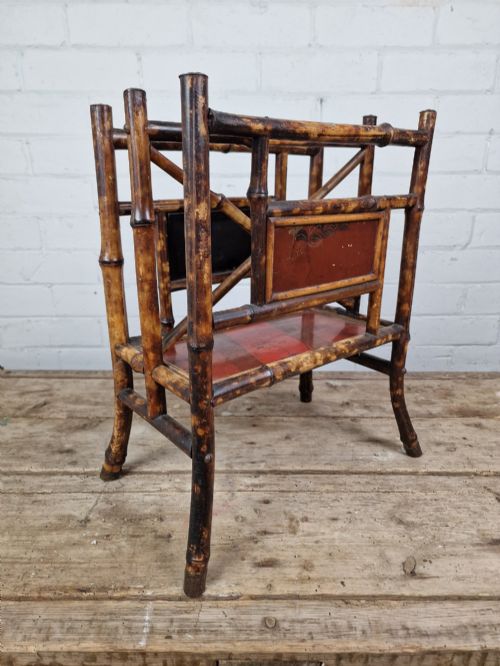
- A low stand fitted with partitions for holding sheet music or periodicals. In this context, it is constructed from bamboo frames.
- Japanning
- European imitation of Japanese lacquerwork. This technique produced the glossy black and gilt surfaces seen on many occasional tables.
- Bijouterie table
- A glass-topped display table used for small ornaments and treasures. The evidence shows these mounted on bamboo structures.
Lacquered Bamboo Furniture: Frequently Asked Questions
What is lacquered bamboo furniture?
These items combine natural bamboo frames with painted lacquer panels or surfaces. They emerged strongly during the Victorian period under the influence of the aesthetic movement.
Craftsmen produced various forms, including occasional tables, hall stands, and magazine racks, often incorporating Chinoiserie or japanned designs.
How do I date a piece?
Dating relies on stylistic clues like aesthetic movement characteristics, Victorian construction methods, and materials such as papier-mâché and tiger bamboo. Most surviving examples point towards the nineteenth century.
Examining the lacquerwork and underlying timber helps separate genuine nineteenth century items from later revival pieces.
Where were these pieces used?
Victorian households utilised these lightweight items in drawing rooms, parlours, and hallways. Their portability made them ideal for serving tea or displaying small ornaments.
Specialised forms like sewing tables and Canterbury racks served specific domestic tasks while adding an exotic decorative accent to the interior.
How do I care for lacquer and bamboo?
Protect the surfaces from direct sunlight and excessive moisture to preserve the delicate lacquer and painted Chinoiserie panels. Dust gently with a soft, dry cloth.
Keep the bamboo frames in stable environmental conditions to prevent the natural cane from drying out or splitting over time.