

Lacquer Table Lamp
A lacquer table lamp brings hand-painted colour and polished depth to a room through centuries-old decorative traditions.
Lacquer Table Lamp
A lacquer table lamp combines functional illumination with decorative surfaces originating from distinct global traditions. When you search for a lacquer table lamp, you encounter pieces spanning the Victorian era through the early twentieth century, featuring Chinoiserie motifs and Kashmiri craftsmanship.
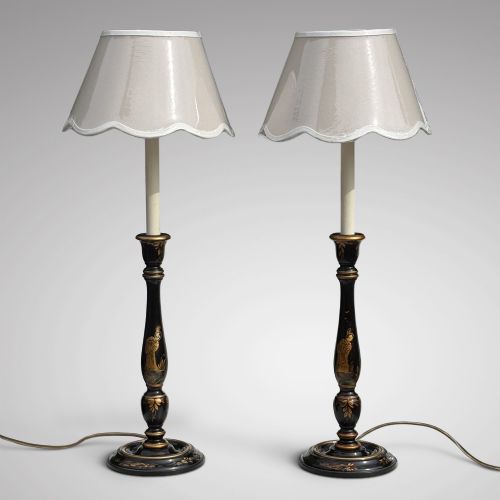
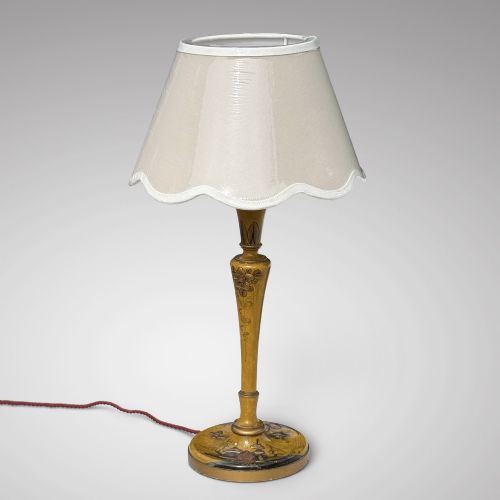
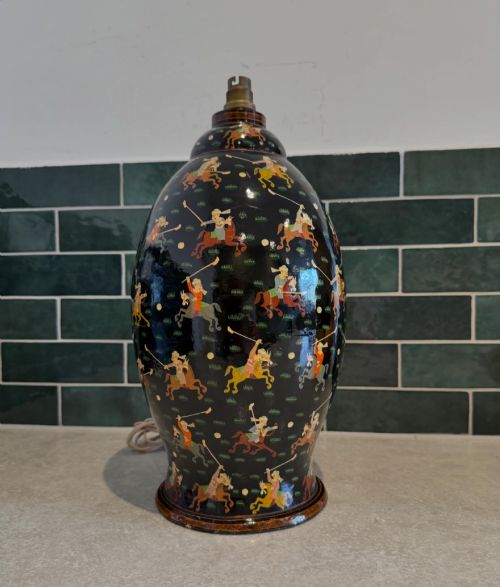
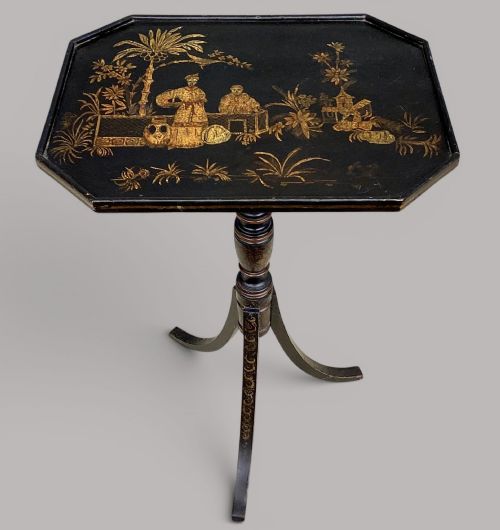
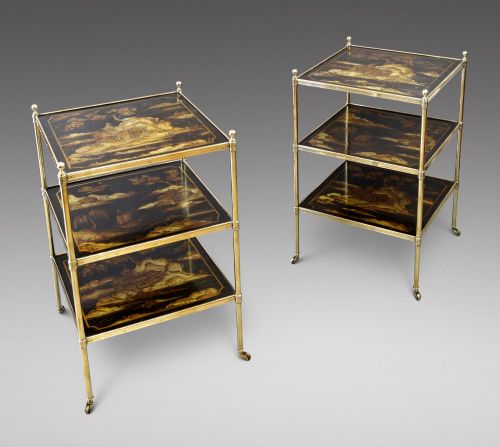
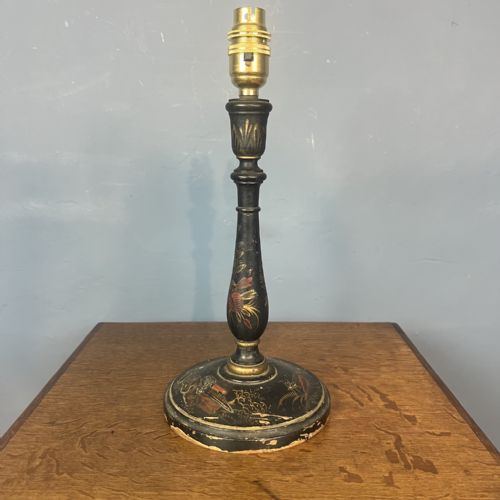
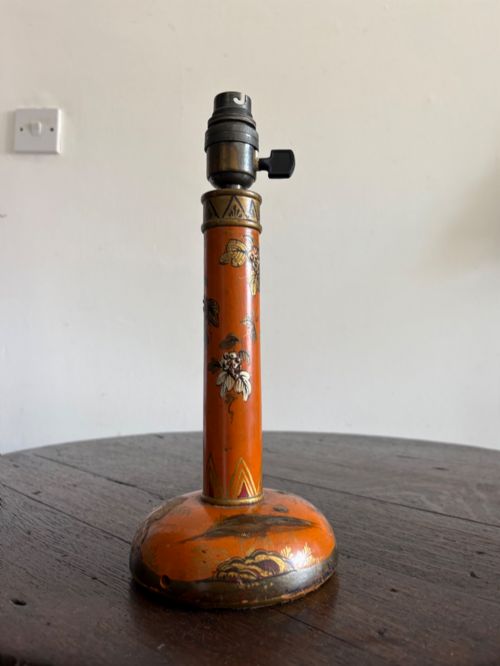
Makers utilised various base forms, from cylindrical bodies to turned columns and tapered shapes. Many examples incorporate hand-painted scenes depicting traditional oriental landscapes and figures.
Materials and Construction
Construction relies heavily on wood, papier-mâché, and bamboo as foundational cores for the applied finishes. Artisans built up multiple layers of lacquer to create a hard, durable surface capable of receiving intricate hand-painted artwork and gold leaf accents.
Brass and gilt components frequently accompany the lacquered bodies, providing structural mounts and decorative collars. Selected pieces incorporate fabric shades to complete the lighting fixture.
Several lamps bring historic tea canisters into the modern era by trading loose leaves for electrical wiring.
Distinctions in Quality
Quality rests upon the depth of the lacquer finish and the precision of the hand-painted details. Superior pieces display intricate, well-preserved Chinoiserie or Kashmiri artwork with crisp gilt highlights and stable structural foundations.
The integrity of the underlying material, whether wood, papier-mâché or bamboo, dictates the longevity of the piece. Fine examples maintain original decorative schemes without extensive overpainting or structural compromise.
The Lacquer Table Lamp Glossary
- Chinoiserie
- European artistic interpretation of Chinese and East Asian decorative styles, popular in furniture and lighting. It is characterised by painted motifs of figures, pagodas, and landscapes.
- Kashmiri
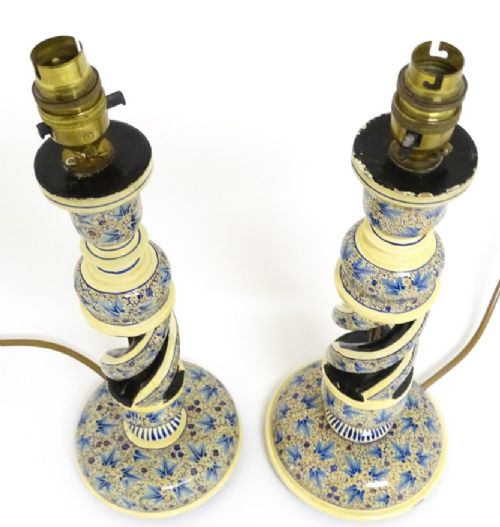
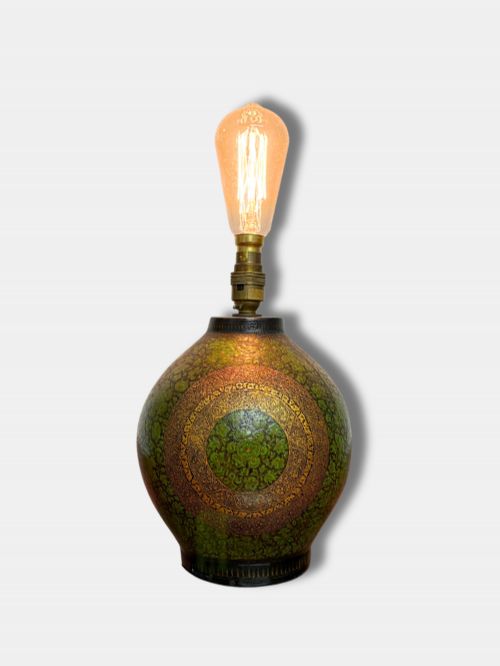
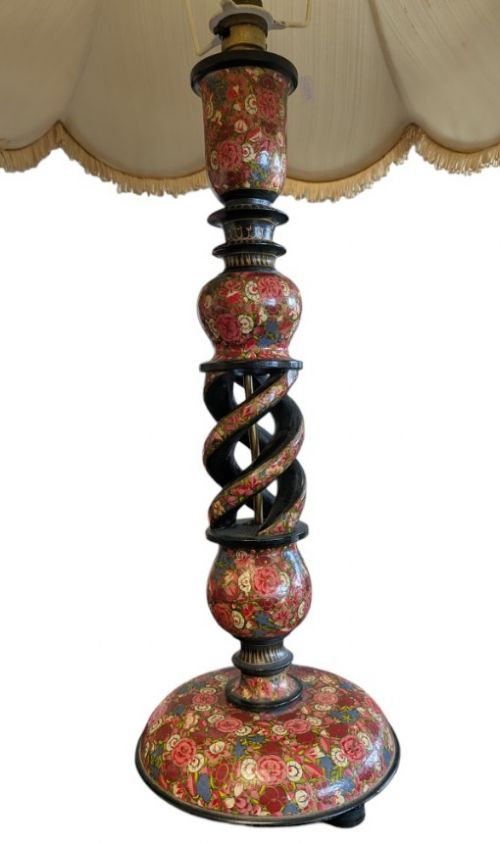
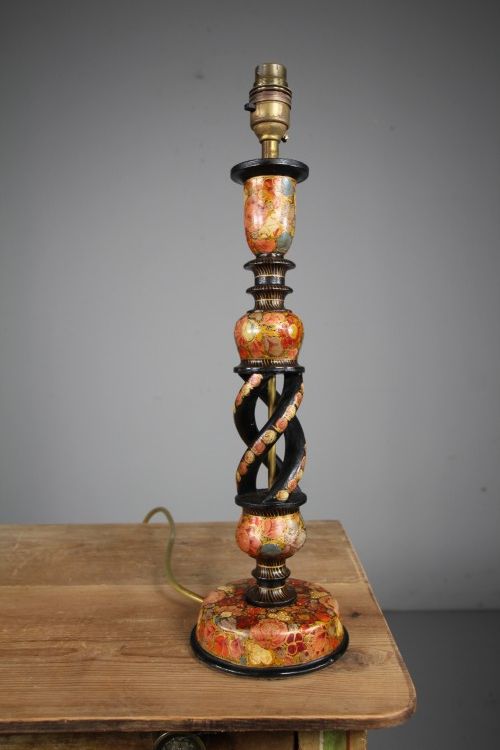
- Pertaining to decorative work originating from Kashmir, often featuring papier-mâché construction and detailed hand-painted floral or geometric patterns. These pieces frequently utilise rich colour palettes with gilt detailing.
- Japanned
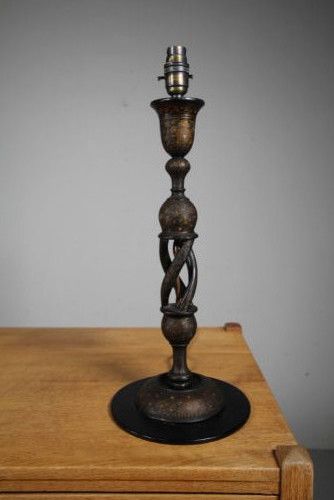
- European imitation of East Asian lacquerwork, created by applying successive coats of varnish and resin. The technique produces a hard, glossy black or coloured finish.
- Papier-mâché
- A composite material made from paper pulp or reinforced sheets of paper mixed with glue, pressed and dried into shape. It provides a lightweight yet durable base for lacquer and hand-painted decoration.
- Gilt
- Covered thinly with gold leaf or gold paint to impart a metallic lustre. This treatment accentuates borders and pictorial elements on dark lacquer surfaces.
Lacquer Table Lamp: Frequently Asked Questions
How do I date a lacquer table lamp?
Dating relies on examining the wiring, the composition of the base material, and the style of the hand-painted decoration. Edwardian and 1920s examples often show specific regional motifs and manufacturing techniques distinct from Victorian or Regency predecessors.
Closer inspection of the lacquer finish and wear patterns provides further context. Consulting historical periods associated with Chinoiserie and Kashmiri imports helps narrow the timeline of manufacture.
Were these always electric lamps?
Many surviving pieces began as other items such as tea canisters, vases, or occasional tables before conversion into lighting. Artisans adapted these decorative objects during the twentieth century to accommodate electrical fittings.
Original lamp bodies manufactured specifically as lighting fixtures also exist alongside converted pieces. Rewiring is standard practice for safe domestic use.
How should I clean a lacquer surface?
Maintenance requires gentle dusting with a soft, dry cloth to prevent scratching the polished finish. Avoid harsh chemical cleaners, alcohol, or excessive moisture which can damage the lacquer layers and gilt decoration.
Preserving the surface involves keeping the lamp away from direct sunlight and extreme temperature fluctuations. Careful handling ensures the hand-painted details remain intact.
What is the difference between Chinoiserie and Kashmiri lamps?
Chinoiserie lamps reflect European interpretations of East Asian design, typically featuring landscapes, pagodas, and figures in black, red, or mandarin orange finishes. Kashmiri lamps originate from northern India, generally showcasing intricate papier-mâché construction with dense floral or geometric hand-painted patterns.
Both styles utilise lacquer and gilt techniques but diverge in their distinct cultural iconography. Identifying the specific ornamental vocabulary reveals the geographic origin of the piece.