




Lacquer Panel Screen
A lacquer panel screen brings depth and intricate surface detail to an interior, functioning as a room divider, dressing screen or wall art.
Lacquer Panel Screen
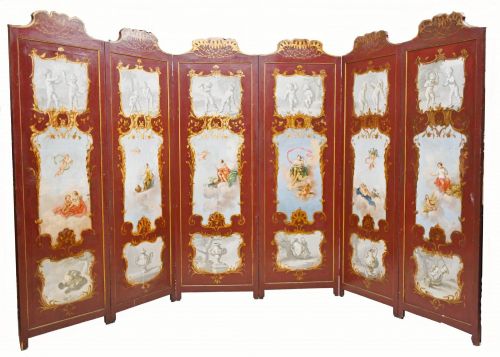
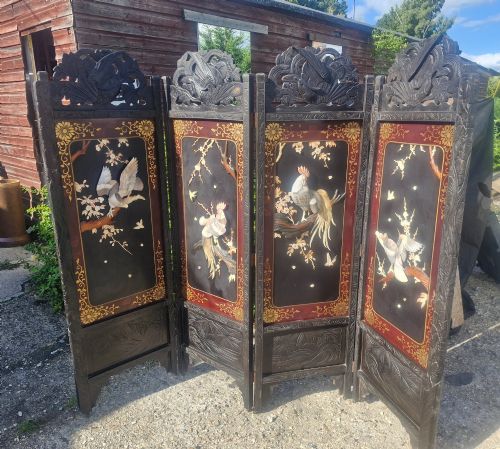
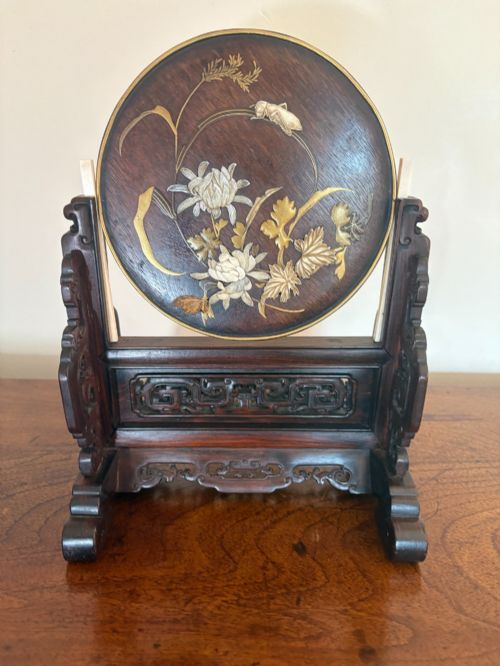
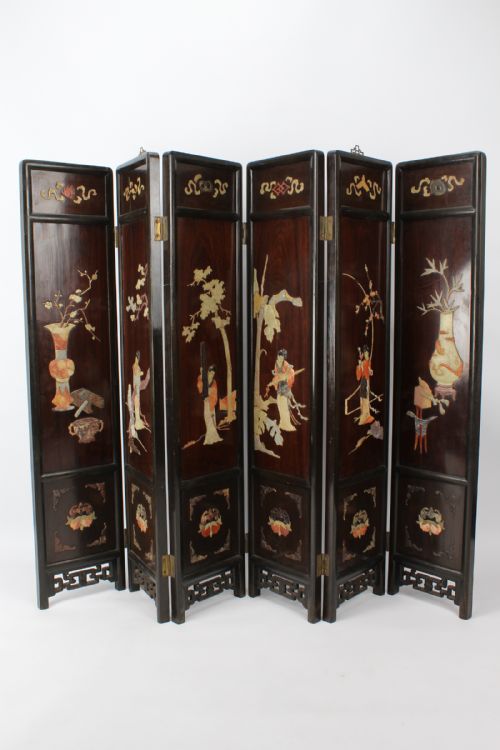
A lacquer panel screen is a decorative furnishing designed to divide spaces or adorn walls, encompassing multi-fold room dividers, dressing screens, and table screens. When searching for a lacquer panel screen, buyers frequently encounter large Chinese coromandel examples, Japanese folding pieces with bone and mother-of-pearl inlay, and Victorian or Regency Chinoiserie variations.
The physical formats range from intimate three-fold table screens and single wall plaques to expansive eight-fold room dividers. Dating spans the nineteenth century through to the mid-twentieth century, drawing on Chinese Qing and Republic eras, Japanese Meiji aesthetics, and European revival styles.
Materials and construction methods
Construction relies on a wooden or hardwood framework supporting panels finished with layers of lacquer. Artisans built up depth through successive coats before carving or painting the surface.
Decoration incorporates applied materials such as bone, hardstone, brass, abalone, mother-of-pearl, and gold leaf. Incised coromandel work involves carving through the lacquer layers to reveal contrasting grounds beneath, whilst papier-mâché and textile elements appear in specific Victorian and Japanese interpretations.
Lacquer Panel Screen Retail Price Guide 2026
Typical asking prices for lacquer panel screen among the pieces listed under this phrase on Sellingantiques today, from the lower quarter to the upper quarter. They describe what is for sale here now, not the wider market.
Some fire screens doubled as polite barriers against the fierce glare of nineteenth-century hearths.
Evaluating craftsmanship and detail
Quality rests in the precision of the carving and the complexity of the inlay work. Pieces featuring deep-carved bone figures, detailed mother-of-pearl foliage, and richly articulated coromandel surfaces demonstrate superior execution compared to simpler painted treatments.
The architectural integrity of the hinges and the stability of the multi-fold frames also separate standard decorative items from finer works. The crispness of the lacquer finish and the natural harmony of the applied hardstones dictate the overall standard of the piece.
The Lacquer Panel Screen Glossary
- Coromandel
- A Chinese incised lacquer technique where designs are cut into the surface and filled with pigments or gold. This method creates a recessed, multi-layered pictorial effect.
- Chinoiserie
- European artistic styles reflecting Chinese and East Asian motifs, popular in Regency and Victorian decorative arts. It often manifests in black lacquer and gilt ornamentation.
- Shibayama
- A Japanese craft technique utilising intricate inlays of shell, ivory, bone, and coral to form raised pictorial motifs on wood or lacquer grounds.
- Pole screen
- A freestanding vertical screen mounted on a slender pillar with a tripod base, designed to shield a person's face from the heat of a fireplace.
Lacquer Panel Screen: Frequently Asked Questions
How do I use a folding screen in a modern room?
A multi-fold screen works effectively to zone open spaces, partition a sleeping area, or act as a striking backdrop against a plain wall. They adapt easily to changing room layouts without requiring permanent installation.
Smaller formats, such as table screens and wall plaques, offer the visual impact of lacquer work when floor space is restricted.
What is the difference between coromandel and standard lacquer?
Coromandel lacquer involves cutting directly into the hardened lacquer layers to expose the contrasting ground beneath, yielding a carved, matte relief effect. Standard lacquer screens often feature smooth painted surfaces or raised elements applied to the top.
Both methods utilise timber foundations, but coromandel work presents a distinct incised texture.
How do I identify a Japanese piece from a Chinese one?
Japanese pieces frequently incorporate distinct Meiji period motifs, alongside high-relief carved bone figures and Shibayama style inlays. Chinese examples often lean towards coromandel techniques, eight-fold configurations, and Qing Dynasty or Republic era stylistic conventions.
Examining the subject matter of the foliage, birds, and figural representations helps clarify the origin.
Where should I place a lacquer screen in my home?
Position screens away from direct sunlight and fluctuating heat sources to protect the wooden substrates and delicate lacquer finishes. A stable, ambient environment preserves the integrity of the inlays.
Allow enough clearance around hinges so folding panels operate smoothly during adjustment.