




Lacquer Framed Mirror
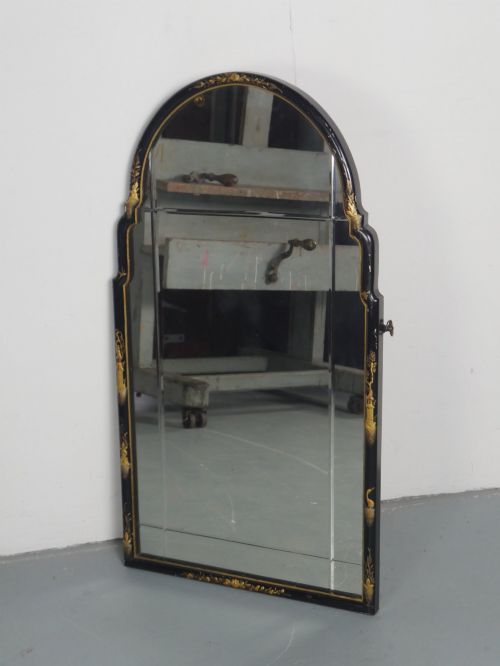
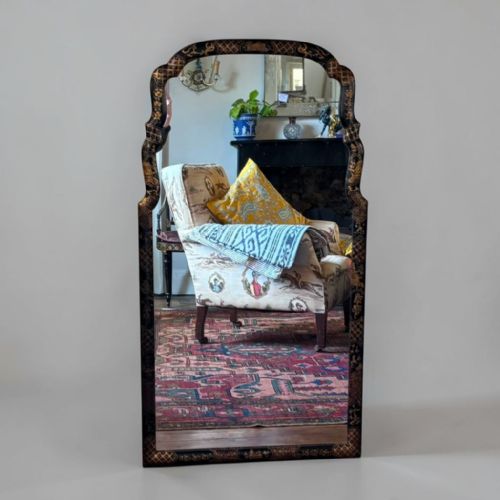
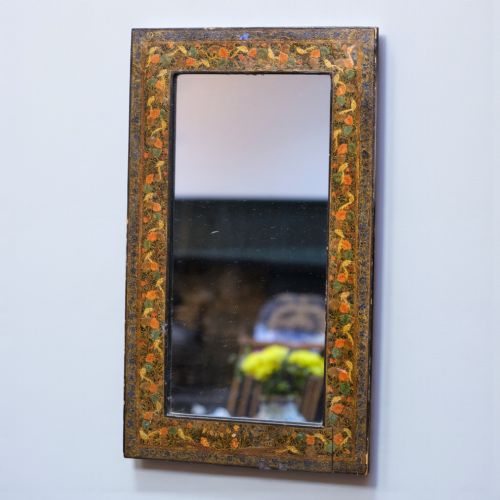
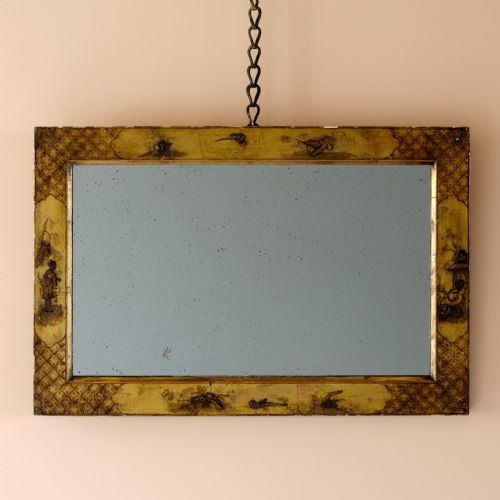
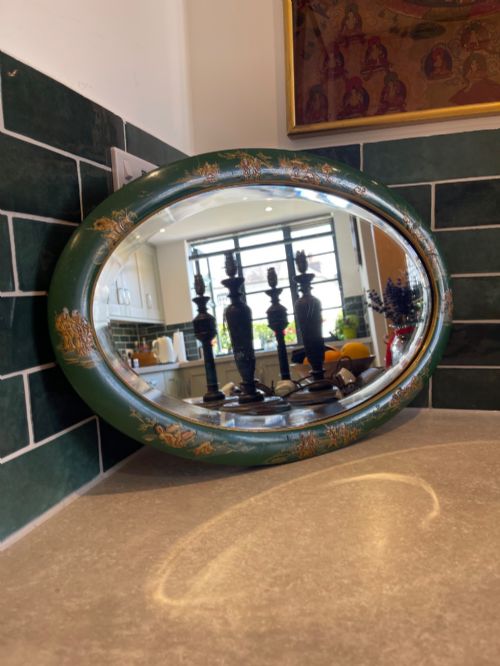
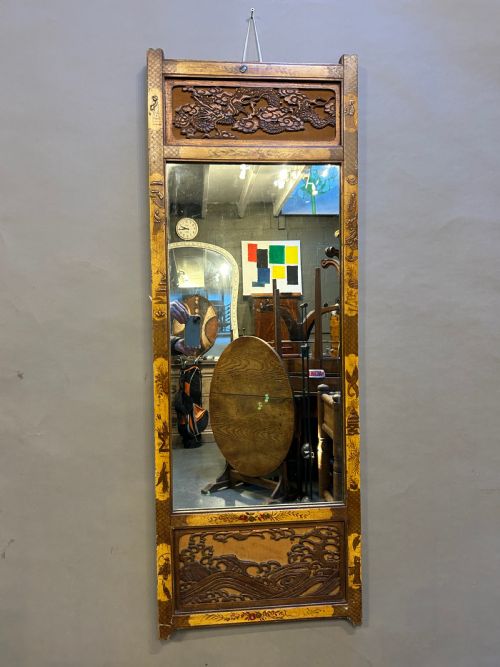
These lacquer framed mirror examples bring painted surface and reflective depth together, offering a distinct focal point for any interior.
Lacquer Framed Mirror
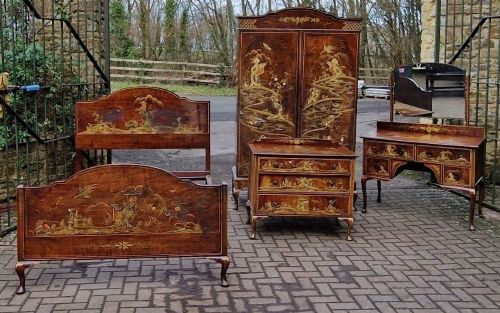
A lacquer framed mirror combines traditional decorative finishing with functional glass, appearing across periods from the Victorian era through the 1930s. When you search for lacquer framed mirror, you encounter pieces that range from small table mirrors to large overmantels and complete bedroom suites. The Chinoiserie style dominates these examples, bringing hand-painted motifs and oriental scenes to domestic spaces.
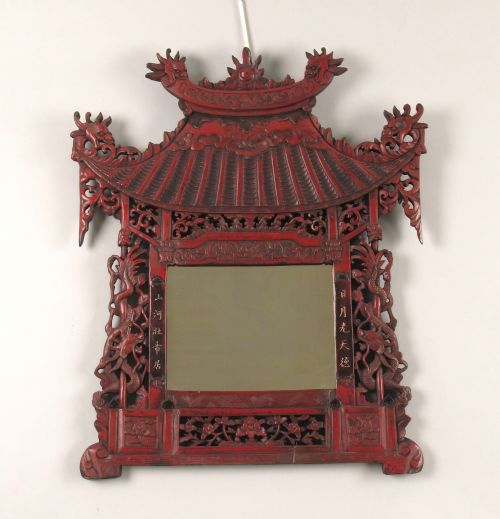
Makers utilised various regional interpretations, including Kashmiri and Anglo-Indian designs alongside traditional Chinese red lacquer and black lacquer finishes. Wall mirrors and pier wall mirrors represent the standard forms you meet on this page, often shaped in ovals or architectural rectangles. These items served both practical dressing purposes and decorative display in period interiors.
How they were made
Wood serves as the primary structural foundation, shaped into frames, overmantels, and dressing suites before receiving its decorative treatment. Artisans applied layers of lacquer, sometimes in black, red, or ebonised tones, to create a smooth base for painted or gilt details.
Gold leaf and gilt brass embellishments frequently highlight the frames, adding contrast to the dark or scarlet surfaces. Mirror glass is set within these borders, occasionally featuring bevelled edges or specific plate forms suited to the period.
Lacquer Framed Mirror Retail Price Guide 2026
Typical asking prices for lacquer framed mirror among the pieces listed under this phrase on Sellingantiques today, from the lower quarter to the upper quarter. They describe what is for sale here now, not the wider market.
The styles represented include Chinoiserie, French Empire, Kashmiri, and Qing Dynasty influences applied to wall and table mirrors.
What varies in quality
The refinement of the painted Chinoiserie decoration separates standard production from finer examples, with hand-rendered motifs showing greater depth and detail. The depth of the lacquer finish and the complexity of the frame moulding also indicate the level of craftsmanship involved.
Material selection plays a role, as solid walnut and well-prepared ebonised wood provide superior structural integrity compared to simpler timbers. The preservation of the original gilt and lacquer surface dictates the visual impact of the piece.
The Lacquer Framed Mirror Glossary
- Lacquer
- A durable finish applied in multiple layers to wood, hardening into a smooth, glossy surface. It is traditionally associated with Asian export wares and European japanning.
- Japanning
- European imitation of East Asian lacquer work, involving layered varnishes and metallic dust or paint. This technique appears on several Edwardian and Victorian mirrors.
- Overmantel
- A large mirror designed to hang specifically above a fireplace mantelpiece. These frames often incorporate architectural details or shaped crests.
- Ebonised wood
- Timber treated with a dark stain or finish to imitate ebony. This process provides a stark, dark contrast to gold leaf and painted details.
Lacquer Framed Mirror: Frequently Asked Questions
How do I date a lacquer mirror?
Dating relies on examining the construction methods of the wood frame, the characteristics of the mirror glass, and the style of the lacquer finish. Edwardian and Victorian pieces often show specific stylistic traits associated with the revival of Chinoiserie.
Hardware, backing boards, and the composition of the paint layers further help distinguish nineteenth-century examples from early twentieth-century production.
Where should I hang a wall mirror?
Wall mirrors function effectively above mantelpieces, in hallways, or as central focal points in bedrooms and living spaces. Their reflective qualities help distribute light around a room while the decorative frame adds colour and pattern.
Consider the scale of the wall space and the surrounding furniture to ensure the proportions of the frame complement the room.
What is the difference between black and red lacquer?
Black lacquer provides a dark, reflective background that allows gold leaf and fine painted details to stand out clearly. Red lacquer offers a bolder, warmer visual presence often associated with specific oriental and pagoda-style wall mirrors.
Both finishes were used across different periods, with red variants frequently appearing in more striking decorative schemes.
How do I care for an antique mirror?
Care requires keeping the piece away from direct sunlight and excessive moisture to protect the delicate lacquer surface and the wood substrate. Dusting should be done gently with a dry, soft cloth without applying harsh chemical cleaners.
Special attention must be paid to the mirror edges and the junction between the glass and the frame to prevent deterioration.