




Lacquer Console Table
These lacquer console table pieces bring rich decorative presence and practical surface space to a room, offering striking red or black finishes.
Lacquer Console Table
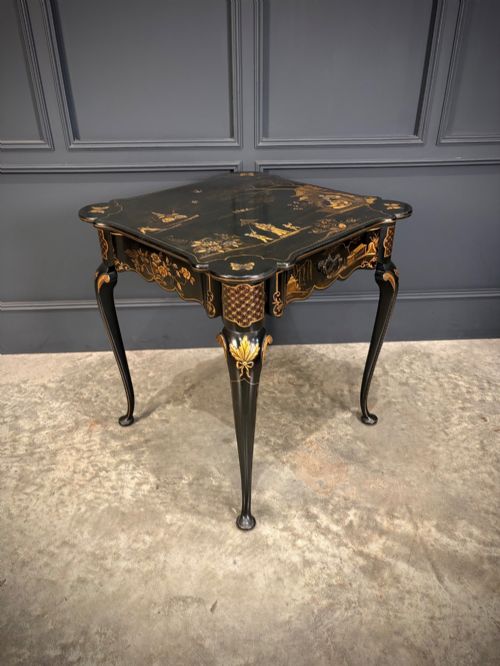
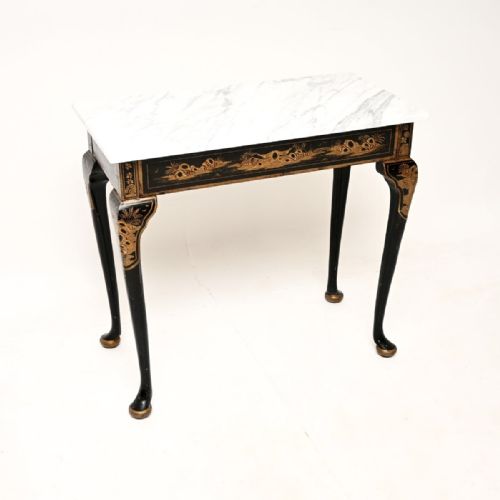
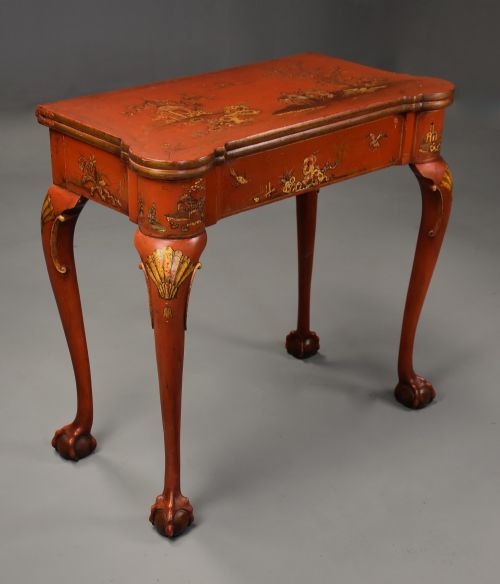
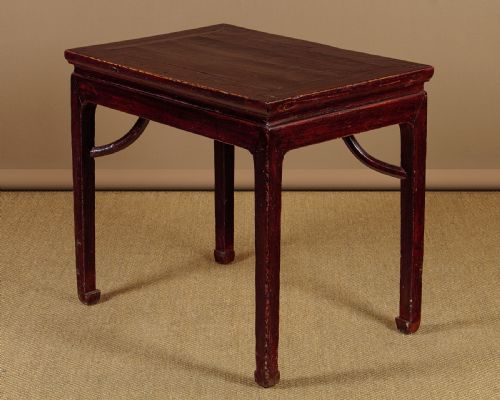
A lacquer console table provides a functional surface for display and storage, often taking the form of side tables, occasional tables, or altar tables. When searching for a lacquer console table, buyers encounter examples ranging from 18th century Chinese export designs to Victorian Chinoiserie and Edwardian pieces.
The physical form varies from demi-lune hall tables and card tables to writing desks and side cabinets. Materials span from elm and wood to marble tops, brass mounts, and gilt or gold leaf detailing.
Chinoiserie and Qing Dynasty styles predominate alongside English Sheraton and Victorian Aesthetic Movement interpretations. Pieces reflect both Chinese regional craftsmanship and European adaptations from the 19th century and early 20th century.
How they were made
Construction relies on timber foundations such as elm and general wood, shaped into console tables, desks, and occasional pieces. Artisans applied layers of lacquer in black or red tones to seal and decorate the wood surface.
Decorative detailing incorporates gold leaf, gilt work, and brass hardware to accentuate Chinoiserie motifs and panel designs. Certain examples integrate inset marble tops into the wooden frame for added weight and utility.
Lacquer Console Table Retail Price Guide 2026
Typical asking prices for lacquer console table among the pieces listed under this phrase on Sellingantiques today, from the lower quarter to the upper quarter. They describe what is for sale here now, not the wider market.
Materials recorded across the inventory include red and black lacquer, elm, marble, brass, and gold leaf.
What varies in quality
The depth and execution of the lacquer finish distinguish different examples, particularly in how smooth the surface appears and how well the underlying wood is prepared. Hand-applied gilt work and the precision of Chinoiserie pictorial scenes show varying degrees of artisan skill.
Structural integrity depends on the joinery of the timber, whether elm or general wood, and the stability of fitted elements like marble tops or folding card table mechanisms. The cohesion between European cabinetmaking styles and Asian export traditions also shapes the character of each piece.
The Lacquer Console Table Glossary
- Console table
- A table designed to stand against a wall, frequently used in hallways or living spaces for display.
- Chinoiserie
- European artistic styles that reflect Chinese artistic influences, common in 18th and 19th century decorative pieces.
- Demi-lune
- A half-moon shape characteristic of certain console and card tables designed to fit flat against a wall.
- Altar table
- A traditional Chinese table form with elongated proportions, typically featuring upturned ends or recessed legs.
- Elm
- A durable hardwood commonly utilised in regional Chinese furniture construction for tabletops and frames.
Lacquer Console Table: Frequently Asked Questions
Where should I place a lacquer console table?
These tables suit hallways, living rooms, and dining areas where surface space and decorative impact matter. Their shallow depth allows them to sit against walls without obstructing walkways.
Pairing them with mirrors or placing them beneath artwork creates a balanced focal point in a room.
How do I care for a lacquer surface?
Dusting with a soft, dry cloth helps maintain the finish without scratching the delicate layers of lacquer. Avoiding direct sunlight and moisture preserves the colour and prevents the wood beneath from shifting.
Polishing should be done sparingly, using products specifically suited for antique lacquered surfaces.
What is the difference between Chinese export and Victorian Chinoiserie?
Chinese export pieces were made in workshops in Asia for Western markets, often utilising traditional regional forms like altar tables and elm construction. Victorian Chinoiserie represents European interpretations of those Eastern motifs applied to local furniture types.
Both styles share a reliance on black or red lacquer and painted decorative schemes.
Can these tables be used for writing or games?
Certain examples function specifically as writing desks or card and games tables with folding tops. These multi-purpose forms provide hidden compartments or expandable surfaces suited for practical use.
Checking the hinges and joints ensures the folding mechanisms operate smoothly during regular handling.