




Lacquer Chinoiserie Mirror
A lacquer chinoiserie mirror brings hand-painted oriental scenery and deep coloured finishes into a room, offering a decorative focal point shaped by centuries of revival taste.
Lacquer Chinoiserie Mirror
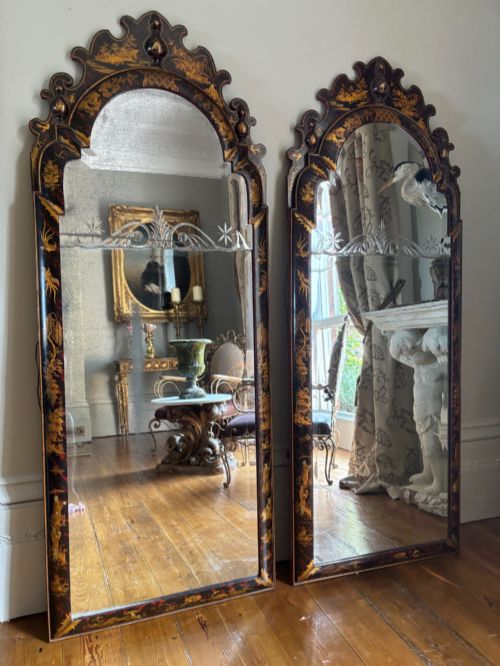
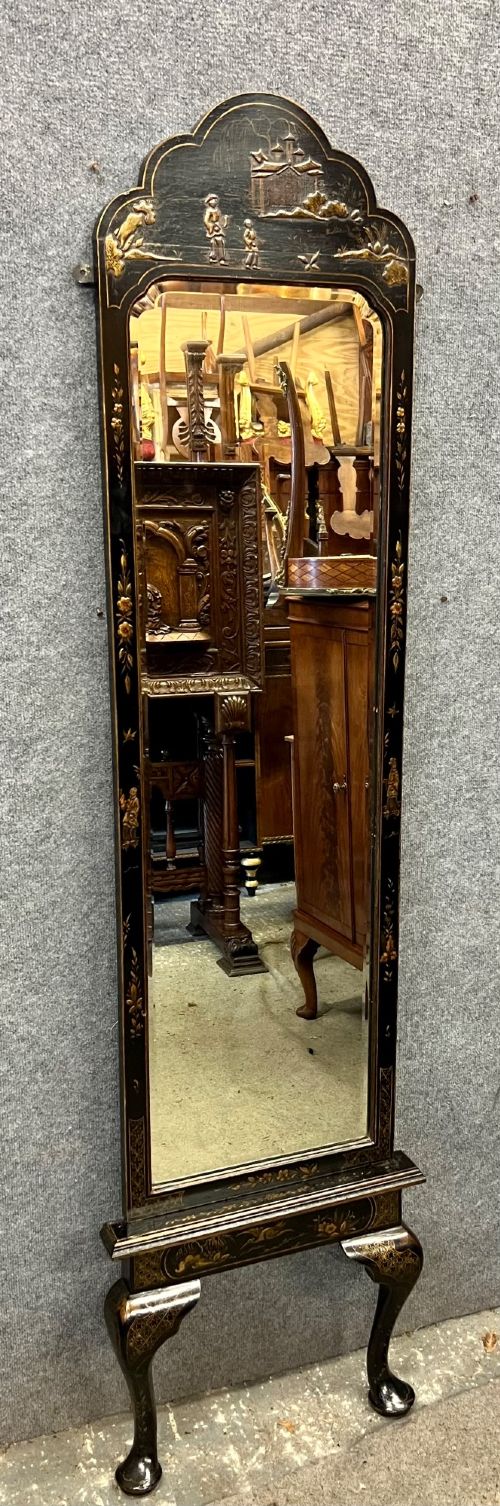
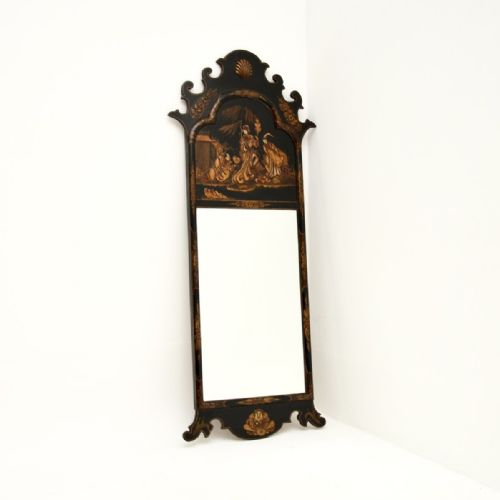
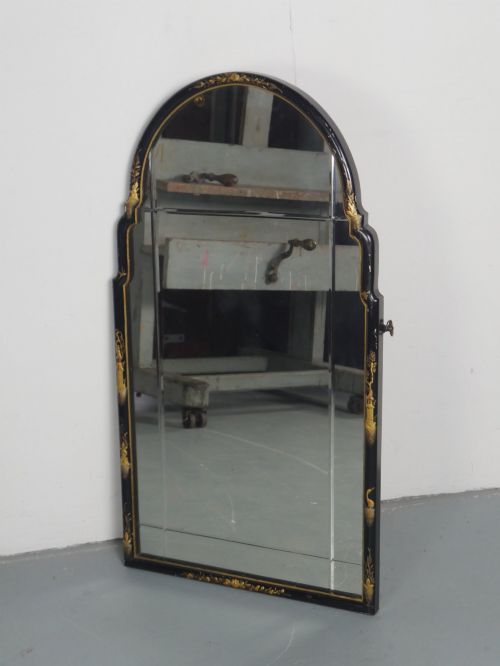
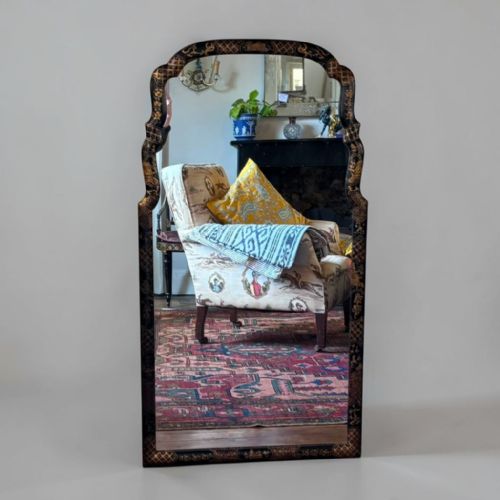
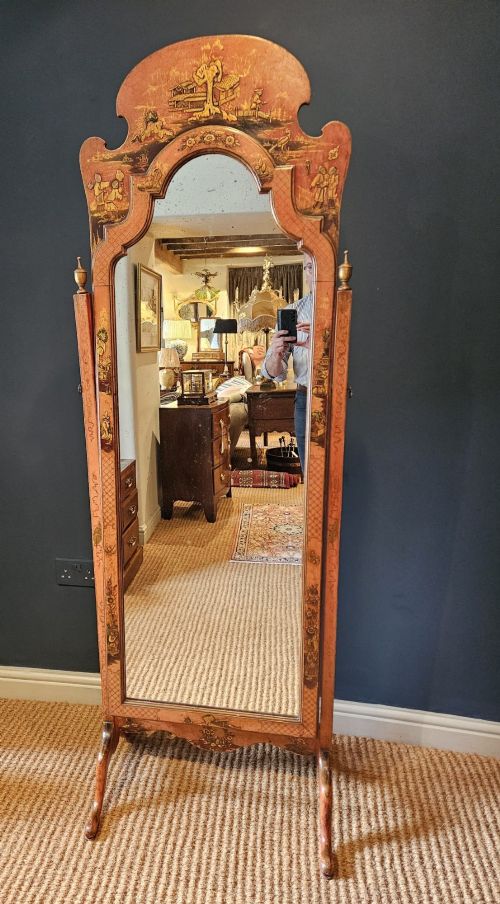
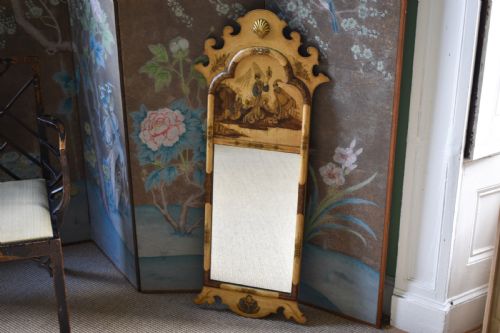
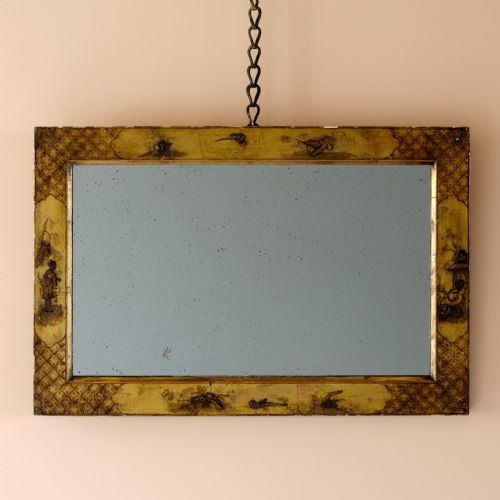
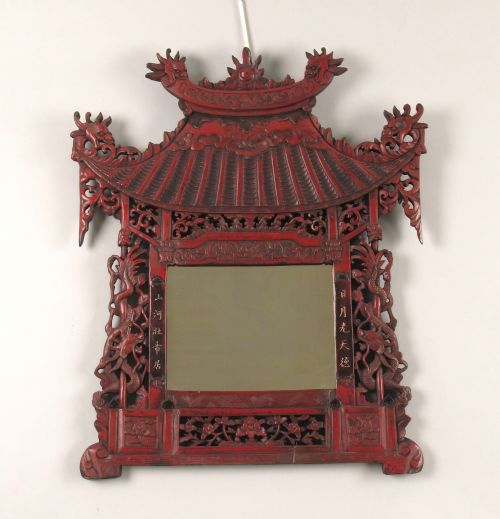
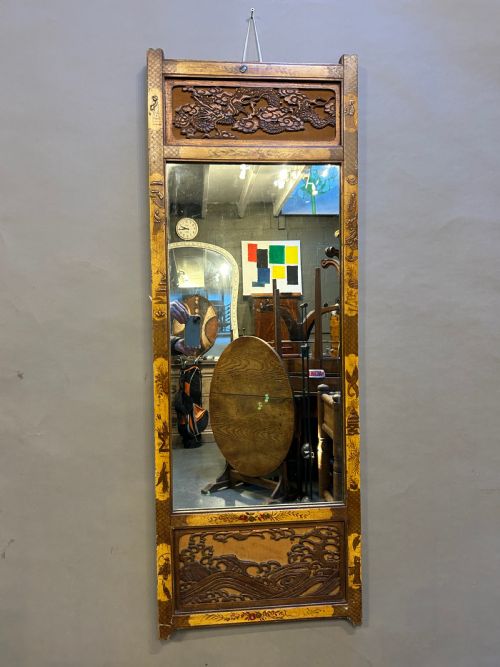
A lacquer chinoiserie mirror combines European furniture forms with decorative motifs inspired by East Asian art. These pieces range from compact table mirrors and dressing table swing frames to large wall-hanging pier glasses and floor-standing cheval mirrors.
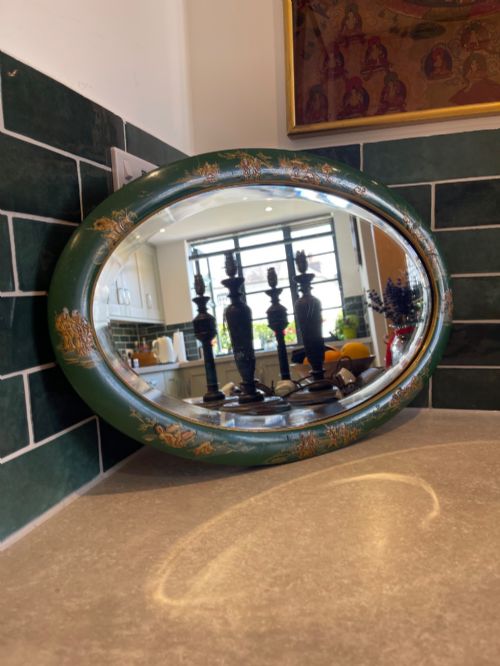
The selection on this page leans heavily toward twentieth-century interpretations, particularly from the 1920s and Edwardian periods, alongside nineteenth-century examples and occasional eighteenth-century export pieces. Buyers encounter both wall-mounted rectangular or oval formats and functional vanity furniture incorporating compartments or miniature bureau bases.
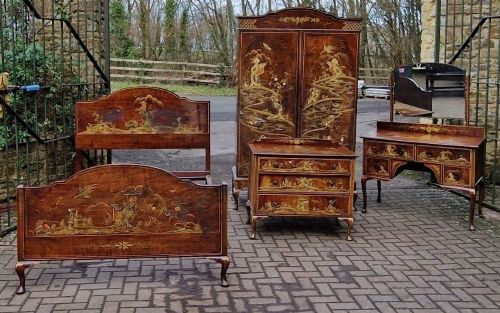
Stylistic revivals dominate the selection, drawing heavily on Queen Anne and Georgian design principles. Makers applied these decorative schemes to bedroom suites, console tables, and dedicated mirrors, creating coordinated interiors centred around vibrant painted surfaces.
How they were made
Makers constructed the timber frames using woods such as walnut before applying multiple layers of coloured lacquer. This finishing process created smooth surfaces in black, red, green, or blue upon which artisans built up intricate decorative schemes.
Lacquer Chinoiserie Mirror Retail Price Guide 2026
Typical asking prices for lacquer chinoiserie mirror among the pieces listed under this phrase on Sellingantiques today, from the lower quarter to the upper quarter. They describe what is for sale here now, not the wider market.
Listings feature a strong representation of 1920s and Edwardian pieces alongside nineteenth-century examples, utilising walnut frames and distinctive red or black lacquer finishes.
What varies in quality
The distinction between standard production and superior craftsmanship lies in the depth of the lacquer finish and the intricacy of the painted details. Higher quality examples display meticulous hand-painted figures and landscapes built up in relief, whereas simpler versions rely on basic surface prints or flat stencilling.
Proportion and frame integrity also define the upper tier of pieces. Well-balanced fret-cut frames, substantial timber construction, and original mirror glass with appropriate ageing separate masterwork items from later, less considered reproductions.
Whytock and Reid
The Lacquer Chinoiserie Mirror Glossary
- Chinoiserie
- European decorative style reflecting Chinese artistic influences, popular across various revival periods. It incorporates motifs of landscapes, pagodas, and figures.
- Japanning
- European imitation of East Asian lacquerwork, involving layered varnish and heat-cured finishes. This technique produced glossy surfaces decorated with raised gilt designs.
- Pier glass
- A tall mirror designed to hang on the wall between windows, frequently positioned above console tables. These large plates enhanced interior light and perceived room scale.
- Cheval mirror
- A full-length freestanding mirror mounted on a pivoting frame between four supporting legs. This functional bedroom furniture piece allowed complete viewing.
- Chinese Export
- Goods manufactured in China specifically for Western markets, blending Eastern materials with European functional forms. These items date back to earlier centuries of trade.
Lacquer Chinoiserie Mirror: Frequently Asked Questions
How do I style a chinoiserie mirror?
These mirrors work effectively as standalone focal points above a mantelpiece or console table where their decorative frames can command attention. Pairing them with understated surrounding decor allows the intricate painted details and coloured lacquer to stand out without visual competition.
In bedrooms, larger wall-mounted or freestanding cheval variants coordinate well with period dressing furniture. They add depth and reflective light while introducing traditional craftsmanship into contemporary interior schemes.
Were these mirrors always made in Asia?
Most pieces found in Western collections were actually manufactured in Britain or Europe rather than Asia. European cabinetmakers adopted Eastern lacquer techniques and motifs to satisfy a sustained fascination with imported goods.
Genuine Chinese export items do exist from earlier centuries, but the vast majority of decorative frames follow eighteenth-century revival styles produced locally during the Edwardian era and the 1920s.
What colours are most common?
Black and red dominate the colour palette across the available selection, reflecting traditional lacquer aesthetics. These dark or vibrant backgrounds provided the ideal contrast for gold leaf and raised painted details.
Alternative shades such as blue, green, and cream also appear less frequently, usually tied to specific decorative revivals or individual cabinetmaker commissions from the late nineteenth and early twentieth centuries.
How do I distinguish different periods?
Dating relies heavily on examining the timber construction, the composition of the frame, and the ageing of the mirror glass. Eighteenth-century and early nineteenth-century pieces often feature heavier timber scantlings, hand-bevelled glass plates, and wear patterns consistent with age.
Twentieth-century revivals from the 1920s and Edwardian periods generally exhibit crisper joinery, machine-cut fretwork, and specific hardware styles appropriate to those decades while still emulating Queen Anne or Georgian forms.