



Labeled Furniture
Labeled furniture carries the maker's mark or paper label, proving origin and workshop.
Labeled Furniture
When you search for labeled furniture, you are looking at pieces that retain their original trade labels, paper tags, or stamped signatures from the makers who produced them. These identifying marks provide a direct link to the workshop, retailer, or craftsman responsible for the construction.
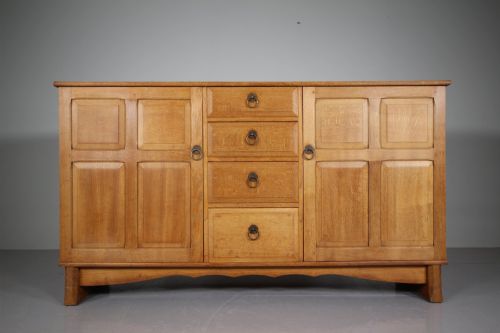
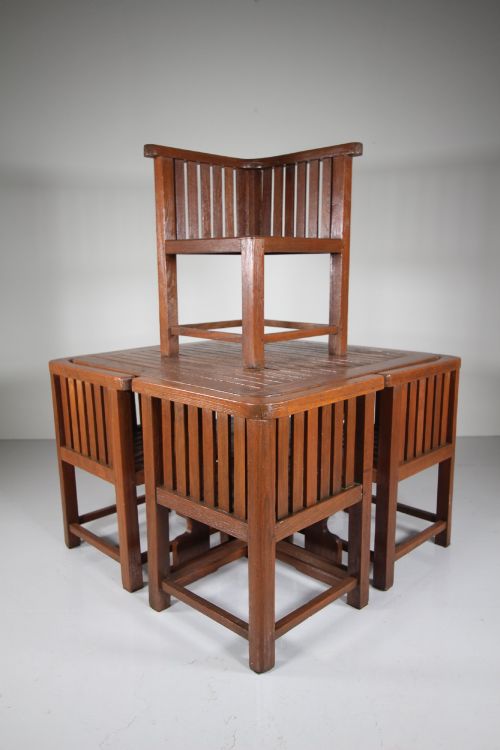
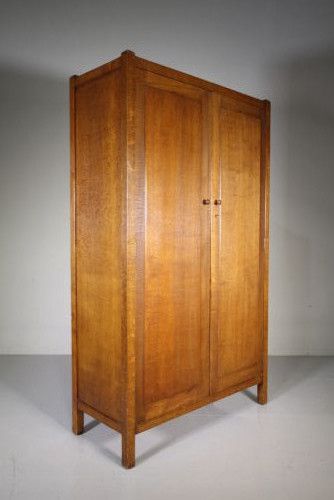
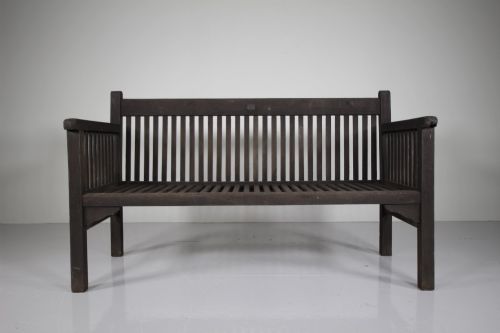
On this page, you are most likely to meet pieces originating from the Edwardian period through the nineteen-thirties, spanning practical oak wardrobes, writing bureaus, and garden sets. These items combine everyday domestic utility with documentary proof of their provenance.
Materials and construction methods
The pieces recorded here rely primarily on solid and veneered timbers such as oak, mahogany, rosewood, and teak, matched with brass hardware and glass components. Cabinet makers utilised these durable woods to build functional domestic forms like desks, music cabinets, and bed frames.
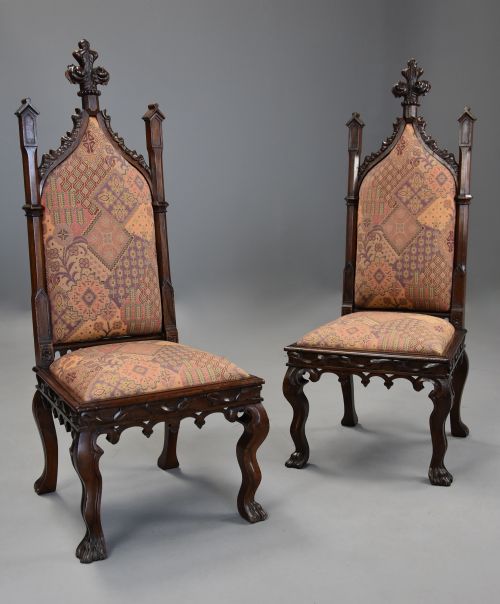
Decorative techniques include marquetry inlay using exotic woods, giltwood carving on mirrors, and Gothic revival detailing on hall chairs. Workshops applied these methods to enhance standard furniture types with distinct aesthetic styles.
Labeled Furniture Retail Price Guide 2026
Typical asking prices for labeled furniture among the pieces listed under this phrase on Sellingantiques today, from the lower quarter to the upper quarter. They describe what is for sale here now, not the wider market.
The listings show oak, mahogany, rosewood, and teak used across Edwardian and nineteen-thirties domestic forms.
Assessing quality in marked pieces
Quality in labeled furniture rests on the clarity and originality of the maker's label alongside the standard of cabinet work. A well-preserved paper label or crisp stamp adds documentary value to a piece constructed with sound joinery.
The refinement of secondary materials, such as brass fittings, glass panels, and marquetry inlay, separates standard utility items from more ambitious workshop productions. Selection of superior timber grades similarly distinguishes the top of the range.
Heals·W.A. Willcocks·Strahan of Dublin·Haentgos Freres Paris·Bryn Mawr
The Labeled Furniture Glossary
- Label
- A paper, parchment, or metal tag attached by a maker or retailer to identify their product. These markers often survive on the interior of drawers or the backboards of cabinets.
- Bureau
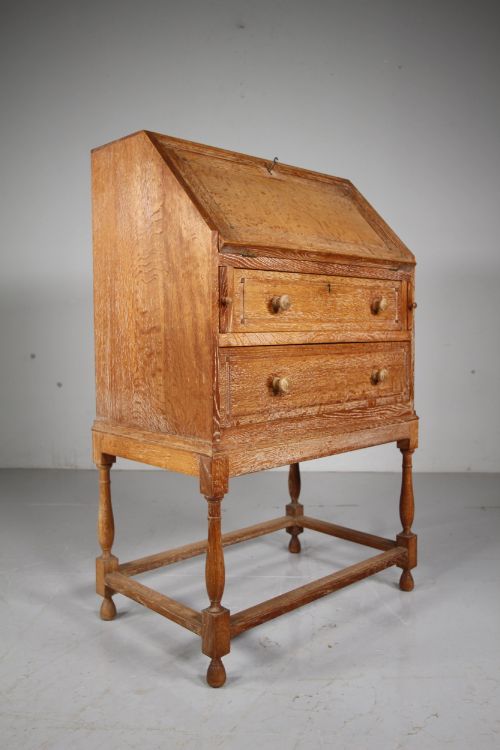
- A desk featuring a sloping hinged writing flap that conceals small drawers and pigeonholes. Examples here range from oak writing bureau chests to fitted office desks.
- Marquetry
- Decorative inlay work using various coloured veneers to form geometric or pictorial patterns on a wooden surface. This technique appears on cabinet and table tops.
- Giltwood
- Wood that has been coated with gold leaf or gold paint for decorative effect. It frequently appears on nineteenth-century mirrors.
- Wardrobe
- A tall standing cupboard designed for hanging clothes, often fitted with internal shelving or drawers. These large pieces form a core part of bedroom furniture.
Labeled Furniture: Frequently Asked Questions
What makes labeled furniture desirable?
Labeled furniture provides verifiable proof of who made or retailed the piece, removing guesswork about its origin.
The surviving paper tags or stamped signatures link surviving items directly to specific workshops and dates.
Where are maker's labels usually found?
Labels commonly appear inside drawer linings, on the reverse of mirrors, or along the interior edges of cabinet doors.
Craftsmen placed them discreetly where owners could find them without spoiling the external appearance.
How do I care for wooden labeled furniture?
Keep wooden pieces away from direct sunlight and extreme temperature shifts to protect the timber and any fragile paper labels.
Dust gently with a dry cloth and avoid harsh modern cleaning sprays that might dissolve adhesives.
Can labels confirm a piece's date?
Labels often name specific working addresses or trading names that correspond to known historical periods.
Matching these business details to historical trade directories helps establish a reliable timeframe for manufacture.