




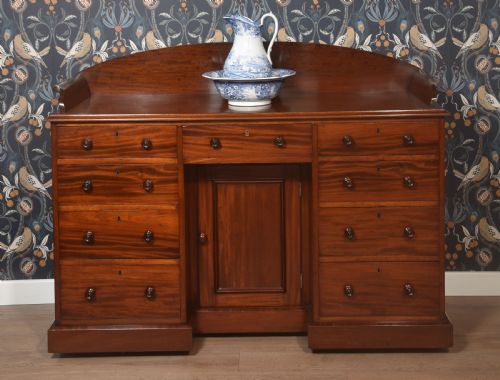


Kneehole Chest of Drawers
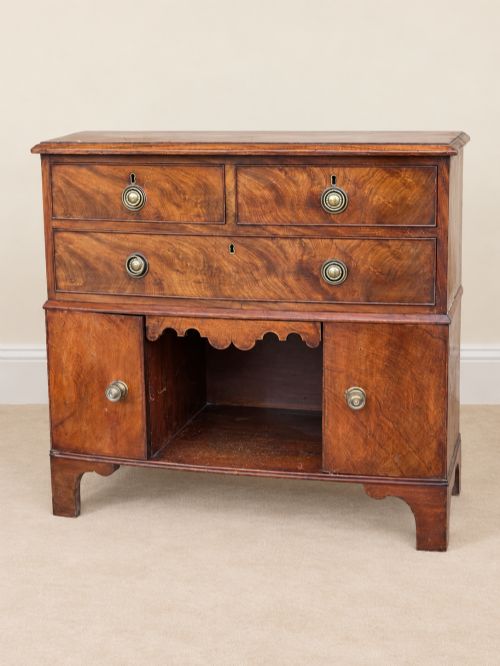
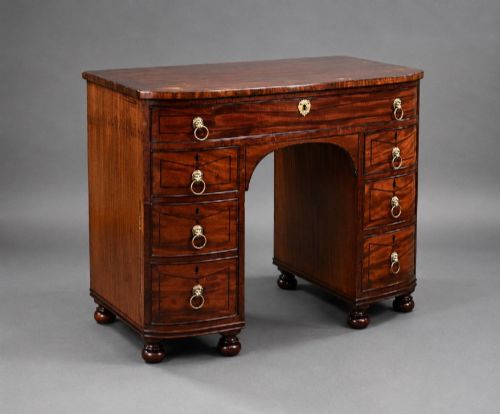
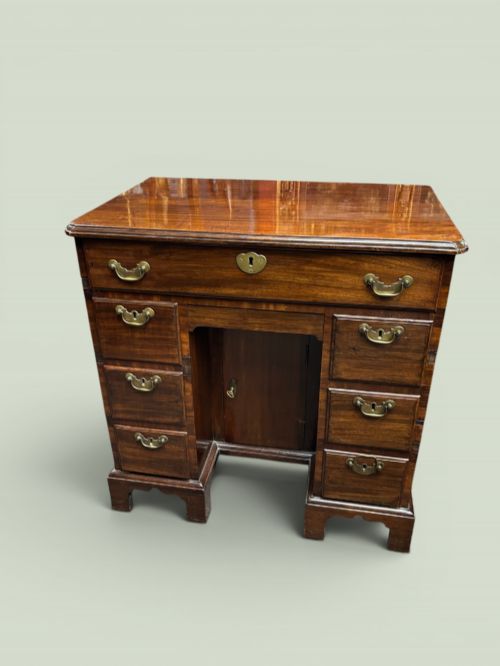
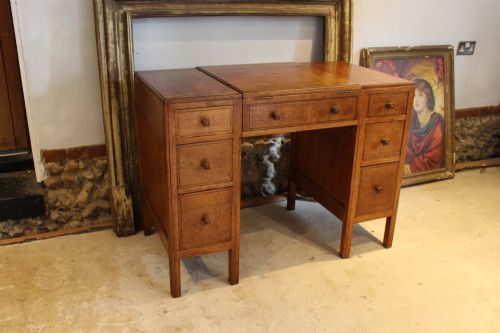
These kneehole chest of drawers pieces combine compact writing surfaces with central recessed cupboards, offering practical storage and distinct period character.
Kneehole Chest of Drawers
A kneehole chest of drawers functions primarily as a compact desk or dressing table with a recessed cupboard tucked centrally beneath the top surface. The pieces listed under this search phrase span centuries of cabinetmaking, featuring forms designed for intimate writing or personal grooming.
Early examples originate from the eighteenth century and the Georgian period, often built from rich timbers like walnut or mahogany. Buyers frequently encounter nineteenth-century adaptations and regional pieces in oak or pine among the available selection.
Materials and construction methods
Cabinetmakers utilised durable hardwoods such as mahogany, oak, walnut, and yew wood for the primary carcases and drawer fronts. Secondary softwoods like pine appear in internal drawer linings and hidden framing.
Brass hardware including handles and escutcheons provides structural contrast against the dark wood surfaces. Surface treatments range from polished timber finishes to painted pine and simulated grain effects.
Kneehole Chest of Drawers Retail Price Guide 2026
Typical asking prices for kneehole chest of drawers among the pieces listed under this phrase on Sellingantiques today, from the lower quarter to the upper quarter. They describe what is for sale here now, not the wider market.
Listings for this phrase include examples spanning the Georgian, Regency, and Victorian periods, constructed in mahogany, oak, walnut, and yew wood.
Factors influencing quality
Superior quality rests on the selection of figured timbers and the precision of the joinery in the drawer construction. Finer pieces display careful matching of wood grain across the drawer fronts and the top surface.
The integrity of the original brass hardware and the crispness of carved details distinguish workshop-made furniture from simpler regional output.
Heal & Sons
The Kneehole Chest of Drawers Glossary
- Kneehole
- A desk or dressing table featuring a central recessed space for the legs, flanked by banks of small drawers. This configuration became popular during the late seventeenth century and continued through the Georgian era.
- Lowboy
- A small side table with drawers, often resembling a reduced chest on legs. These low tables frequently share the functional layout of a dressing table.
- Dressing chest
- A piece of furniture designed for grooming, incorporating drawers and frequently a writing slide or mirror. They bridge the gap between a chest of drawers and a writing desk.
- Slide
- A pull-out board positioned above the top drawers to provide an extra writing or holding surface. This feature retracts flush into the cabinet frame when not in use.
Kneehole Chest of Drawers: Frequently Asked Questions
What is a kneehole chest of drawers?
A kneehole chest of drawers is a compact desk or dressing table featuring multiple small drawers arranged around a central recessed opening. This layout allows a person to sit comfortably at the piece while working or grooming.
Cabinetmakers built these forms across the eighteenth and nineteenth centuries in various woods, including mahogany, oak, and walnut. They serve as functional writing surfaces while offering substantial enclosed storage.
How were these pieces used historically?
Historically, owners utilised these pieces for private correspondence, record keeping, and personal grooming. The central cupboard often concealed small hidden compartments for valuables or documents.
Gentlemen and ladies used the pull-out slides for writing letters without disturbing the main surface. Their compact dimensions suited smaller private chambers and dressing rooms.
How do I date a kneehole chest?
Dating relies on examining the timber selection, construction techniques, and overall decorative style of the piece. Eighteenth-century examples frequently feature walnut or mahogany with precise dovetailing and candle slides.
Victorian and later iterations often display heavier proportions and different secondary woods like pine. Comparing the drawer linings and brass hardware against known period standards helps narrow the timeline.
Where should I place one at home?
These pieces suit home offices, hallways, or living rooms where floor space is limited. Their finished backs and compact footprints allow them to sit flush against walls or function as freestanding desks.
Pairing a kneehole chest with a simple period chair creates a practical workspace. The surface accommodates a lamp and writing materials while the drawers organise everyday items.