




Kitchen Storage Rack
These kitchen storage rack pieces bring practical utility and rustic charm to domestic spaces, combining generous display shelves with sturdy base cabinets for everyday use.
Kitchen Storage Rack
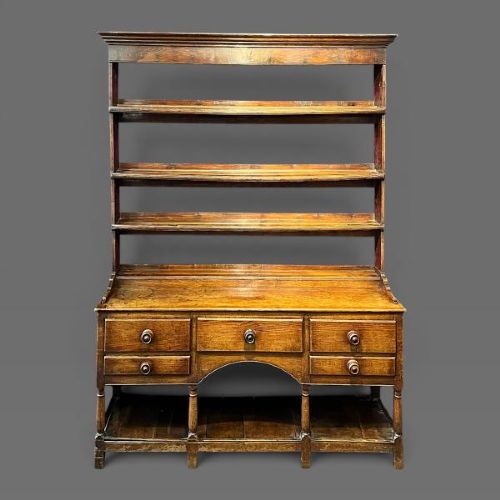
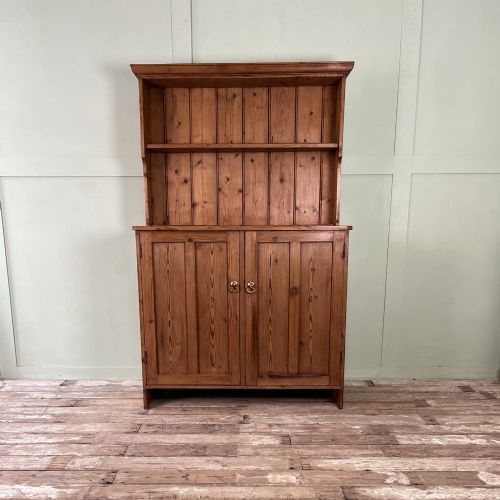
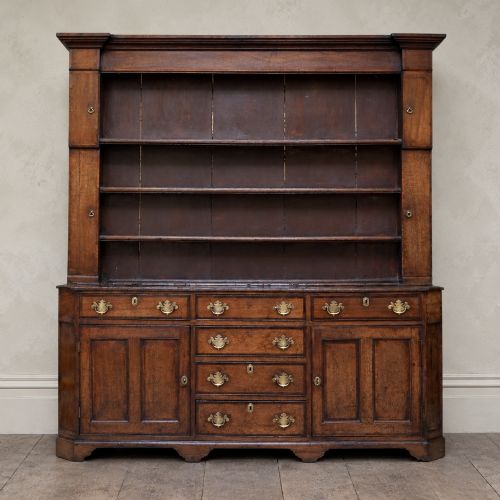
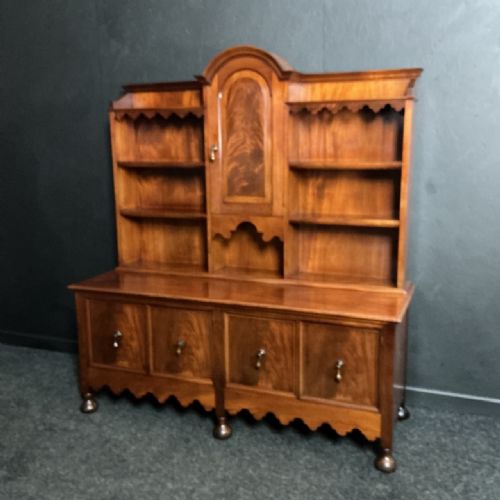
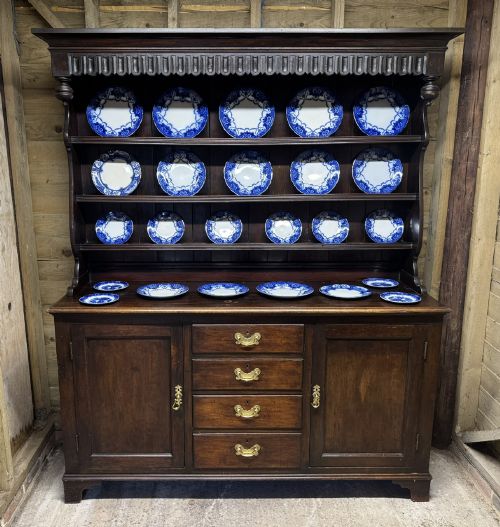
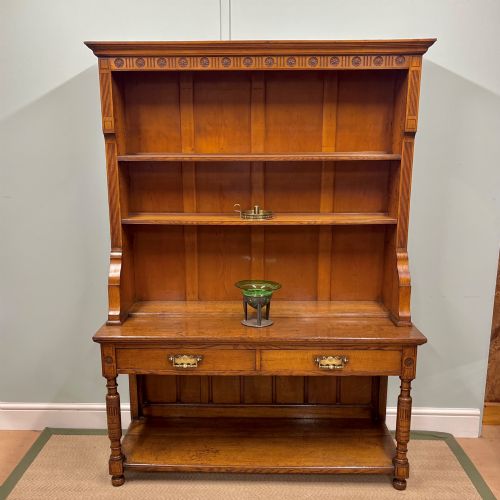
A kitchen storage rack typically takes the form of a traditional dresser or pot stand, combining lower cupboards or drawers with upper plate shelves. These items served as the hardworking centrepiece of domestic kitchens for holding crockery, dried goods, and culinary utensils.
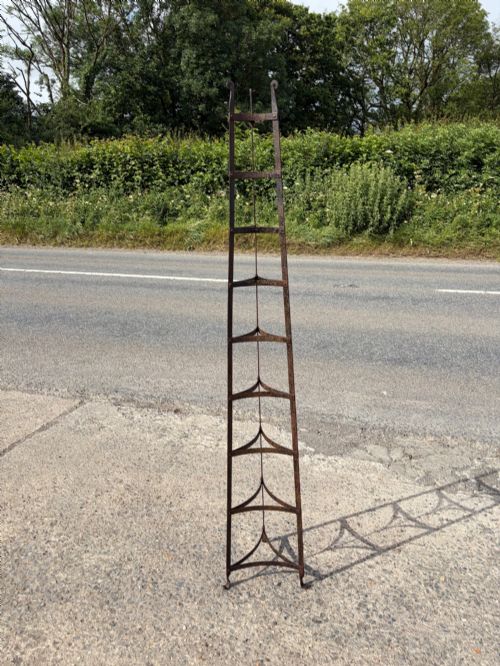
The versions most commonly met on this page range from robust oak and pine country pieces originating in the eighteenth and nineteenth centuries to wrought iron pan stands and French bakers racks. Regional variations such as Welsh dressers and painted pot board designs appear frequently alongside vernacular styles.
Makers often constructed these pieces in two distinct sections comprising a heavy base cabinet and a separate open plate rack mounted above. This arrangement allowed families to store heavy provisions below while displaying everyday ceramics at eye level.
Materials and construction
Traditional makers relied heavily on native timbers, predominantly oak and pine, supplemented by mahogany, walnut, and fruitwoods for finer details. Carpenters joined structural members using traditional framing and panel techniques to withstand the heavy loads of domestic earthenware.
Metal variations incorporate wrought iron, cast metal, and brass, particularly in utility pot stands and bakers racks designed for commercial or intensive domestic food preparation. Painted finishes and stripped pine surfaces demonstrate how domestic items evolved through changing household fashions.
Kitchen Storage Rack Retail Price Guide 2026
Typical asking prices for kitchen storage rack among the pieces listed under this phrase on Sellingantiques today, from the lower quarter to the upper quarter. They describe what is for sale here now, not the wider market.
Some nineteenth-century pot stands survived because kitchen staff relied on their nine tiers to dry heavy copper pots after bustling dinners.
Variations in quality
Quality in these pieces rests primarily on the integrity of the timber selection and the restraint of the joinery. Superior examples display carefully chosen grain patterns, well-proportioned plate racks, and original hardware that has survived centuries of daily kitchen use.
The distinction between utilitarian workshop pieces and finer regional furniture lies in the execution of carved details, crossbanding, and the harmonious balance between the upper rack and the lower base. Later alterations and heavy restorations alter the original character that collectors value.
The Kitchen Storage Rack Glossary
- Pot board
- An open lower shelf beneath a dresser base traditionally used for storing heavy pots and pans. This feature is especially common in early vernacular country furniture.
- Plate rack
- An upper tier of open shelves featuring vertical grooves or wooden slats designed to hold plates securely on their edge. It allows damp crockery to dry safely in the air.
- Welsh dresser
- A traditional form characterised by a solid timber base of drawers and cupboards surmounted by a multi-tiered plate rack. These items originated in Welsh farmhouses for domestic storage.
- Crossbanding
- A decorative technique where thin strips of veneer are laid across the grain of the primary wood around the perimeter of drawer fronts or tabletops. It adds refined contrast to cabinetwork.
- Vernacular furniture
- Practical objects made by local tradesmen using regional materials and traditional local designs rather than following academic metropolitan styles. These pieces emphasise function and utility above fashionable ornament.
Kitchen Storage Rack: Frequently Asked Questions
What is a kitchen storage rack?
A kitchen storage rack is a combination of base cupboards and upper open shelving designed to hold tableware and culinary provisions. These pieces formed the central storage hub of traditional domestic kitchens.
Over the centuries, cabinetmakers adapted these forms into regional styles like Welsh dressers, pot stands, and bakers racks. They remain practical furniture for organising modern kitchen spaces.
How were these pieces used?
Households used the lower cupboards and drawers to store heavy pots, dry goods, and linens. The upper plate racks displayed ceramic dishes and kept everyday crockery within easy reach.
In larger kitchens or commercial spaces, iron stands and bakers racks held heavy cookware and cooling items. Their dual nature provided both concealed storage and open display.
How do I live with a dresser?
Integrating a wooden dresser into a modern interior involves using the open shelves for everyday ceramics and glassware. The lower cabinets provide generous concealed space for clutter.
Ensure the piece is anchored securely to the wall if the upper rack is substantial. Treating the timber surfaces with care preserves the historic finish against everyday moisture.
How do I tell periods apart?
Eighteenth-century examples often feature heavy oak construction, pegged joints, and simple panelled doors with rich patination. Nineteenth-century pieces frequently utilise pine or mahogany and may display looser proportions or turned supports.
Details like crossbanding point towards mid-eighteenth-century cabinet work, whereas painted finishes and stripped pine often suggest Victorian or Edwardian country workshop origins.