





Kitchen Plate Shelf
A kitchen plate shelf keeps domestic pottery orderly while putting everyday earthenware in plain sight.
Kitchen Plate Shelf
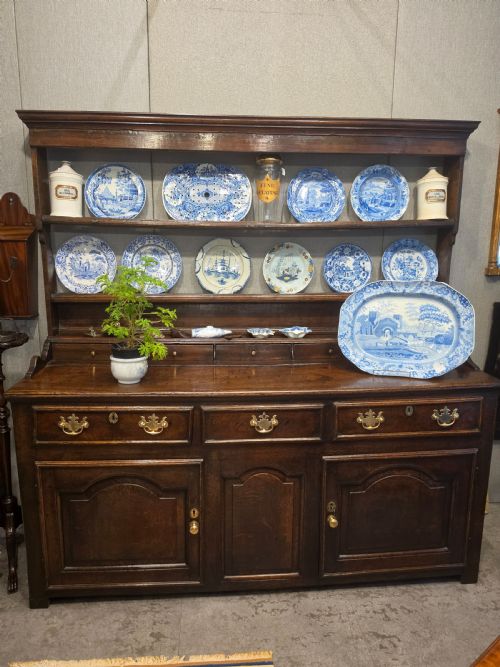
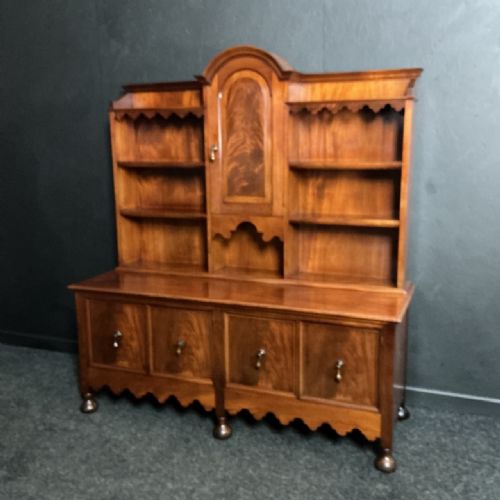
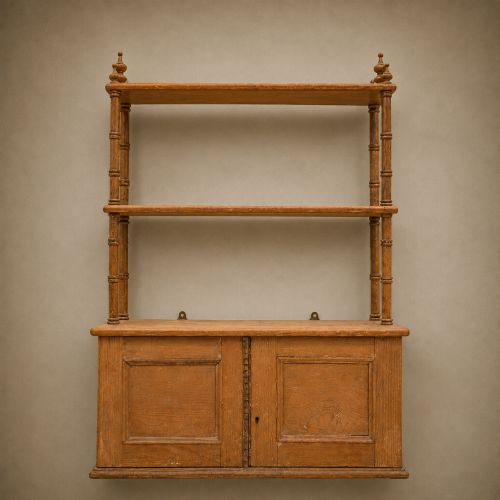
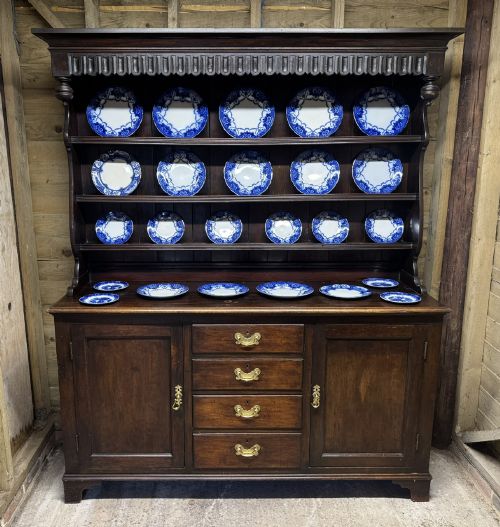
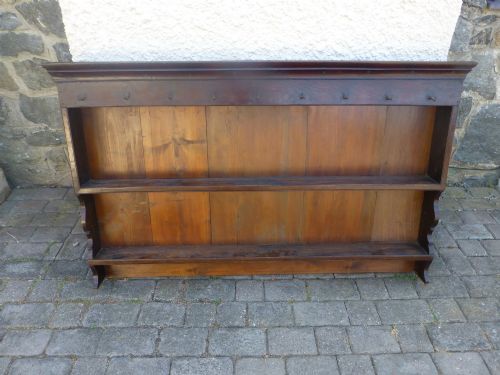
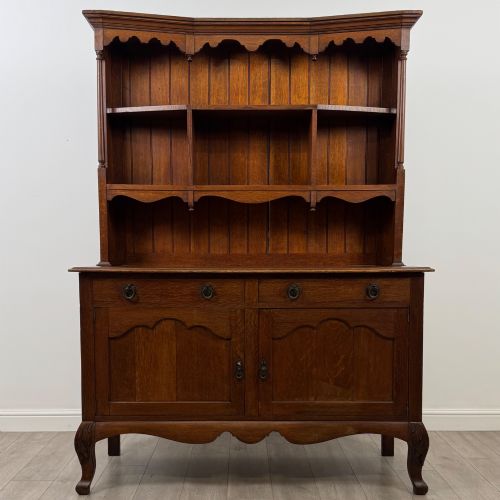
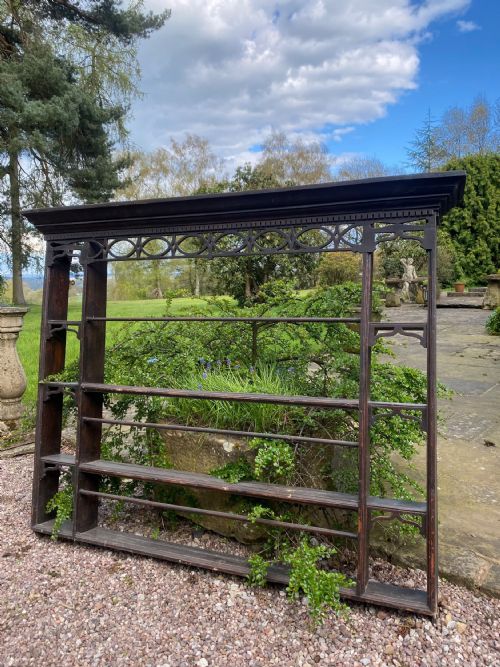
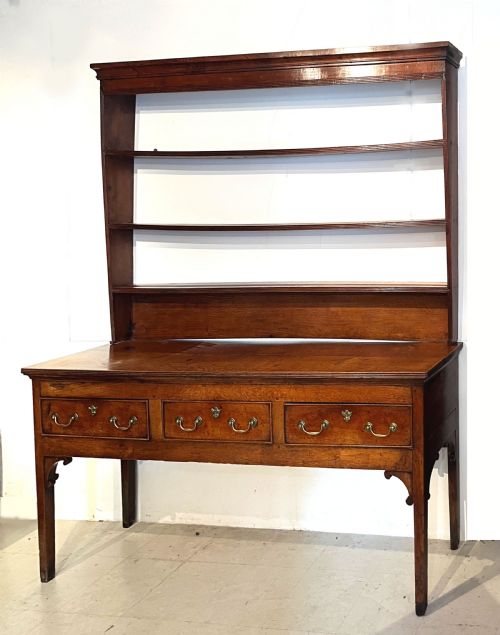
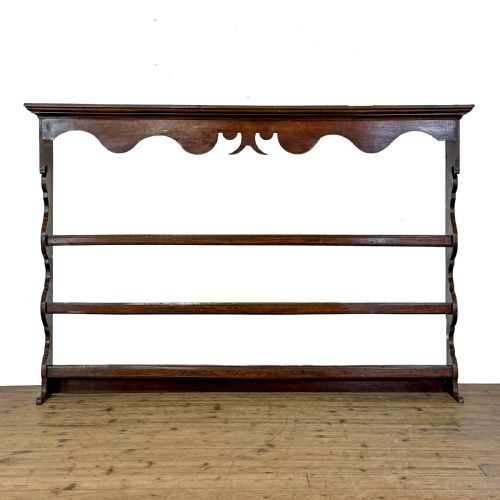
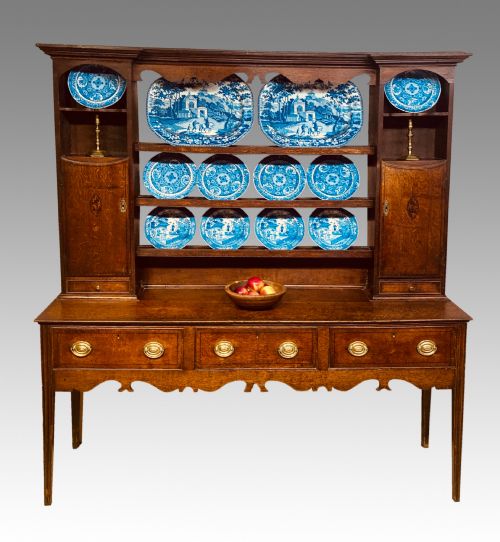
When searching for a kitchen plate shelf, buyers encounter a utilitarian range of wooden furniture designed specifically to display and store ceramics. These pieces bridge the gap between simple wall-mounted hanging racks and substantial two-part dressers complete with base cupboards or potboards.
Materials and Construction
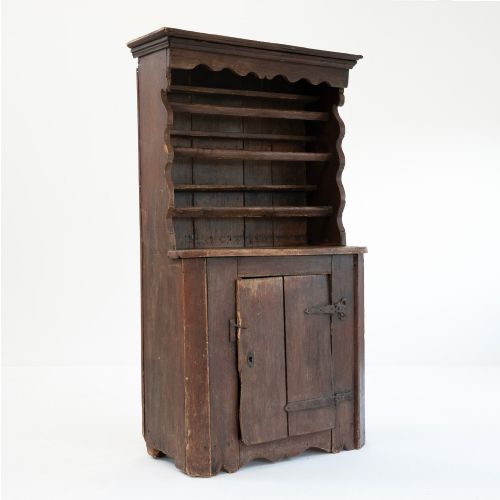
Local cabinet makers relied heavily on domestic hardwoods and softwoods, predominantly utilising solid oak and pine for the main structure of the shelves and dressers. Iron and brass fittings, including hinges and hanging hooks, provided necessary structural support and points of attachment for utensils.
Surfaces frequently show historical traces of paint, such as traditional finishes in specific heritage shades, alongside waxed or polished natural timber. Joinery methods of the period involved pegged mortise and tenon joints, ensuring the framework could bear the considerable weight of heavy earthenware plates.
Kitchen Plate Shelf Retail Price Guide 2026
Typical asking prices for kitchen plate shelf among the pieces listed under this phrase on Sellingantiques today, from the lower quarter to the upper quarter. They describe what is for sale here now, not the wider market.
Some nineteenth-century pine wall shelves still carry the ghost marks of long-vanished spoons hanging from tiny brass cup hooks.
Quality and Proportion
The distinction between standard domestic utility pieces and finer examples rests largely on timber selection, such as the use of flame mahogany versus standard pine, and the subtlety of carved detail. Well-proportioned cornices and balanced tier spacing indicate a maker with a sure eye for regional vernacular design.
Survival of original surface treatments, whether early paint layers or patinated waxed oak, greatly influences the integrity of a piece. Structural shifts caused by centuries of wall-mounting or floor standing also separate untouched examples from heavily restored variants.
The Kitchen Plate Shelf Glossary
- Delft
- Tin-glazed earthenware popular for display on eighteenth-century plate shelves and dressers. These plates provided the colourful focal point that wall racks were built to showcase.
- Potboard
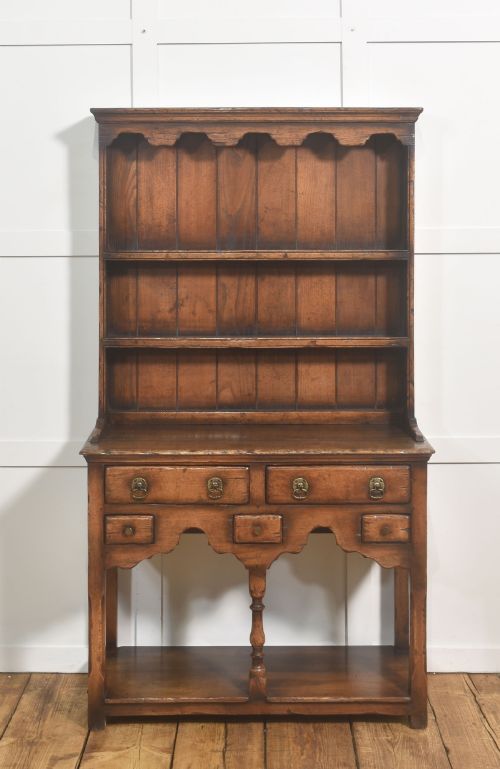
- The lower open shelf situated near the floor on traditional country dressers. It served as a practical space to store heavy pots and everyday kitchen utensils out of the way.
- Cornice
- The decorative moulded projection running along the uppermost edge of a dresser or wall rack. It finished the top of the piece and often reflected the prevailing regional style.
- Talwrn
- A specific Welsh regional designation for traditional furniture forms. These pieces often exhibit distinct local cabinet-making traits unique to their area of origin.
- Two-part dresser
- A piece of furniture constructed in separate upper and lower sections, typically combining a plate rack with a base cabinet. This modular design aided transportation into rural cottages.
Kitchen Plate Shelf: Frequently Asked Questions
How do I hang a wall plate shelf?
Heavy antique wall shelves require secure fixing directly into timber studs or masonry using appropriate heavy-duty brackets. The substantial weight of oak timber combined with stacked plates demands proper wall anchorage.
Ensure the hanging brackets engage with the internal vertical supports of the rack rather than relying solely on thin decorative backboards. Professional installation is strongly recommended for larger eighteenth-century examples.
What is the difference between a rack and a dresser?
A plate rack is a shallow set of shelves designed primarily to be hung on a wall or placed upon an existing surface. It holds plates upright and displays smaller kitchen items.
A dresser includes a lower base section featuring cupboards, drawers, or an open potboard, standing directly on the floor. Many antique examples are two-part units where the upper rack sits atop the lower base.
How do I clean antique pine and oak?
Dust timber surfaces regularly with a dry, soft lint-free cloth to prevent the accumulation of grime in carved details and joints. Avoid modern silicone-based polishes that can build up and soften historic wax finishes over time.
Feed dry eighteenth-century or nineteenth-century wood occasionally with a traditional beeswax applied sparingly and buffed gently. Moisture should be kept away from all painted or unsealed surfaces to protect the original patina.
Where were regional country dressers made?
Country dressers and plate shelves were constructed in local workshops across England, Wales, Ireland, and France. Regional carpenters utilised whichever local timbers were readily available, such as Welsh oak or English pine.
Distinctive construction traits often point to specific areas, including Shropshire or various Welsh counties. These vernacular pieces reflect the practical domestic needs of rural households in the Georgian and Victorian eras.