




Kitchen Oil Painting
These kitchen oil painting works capture domestic domesticity and food preparation across centuries, offering collectors a rich slice of social history.
Kitchen Oil Painting
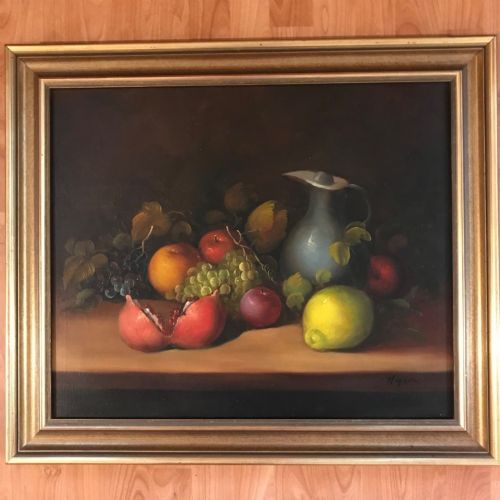
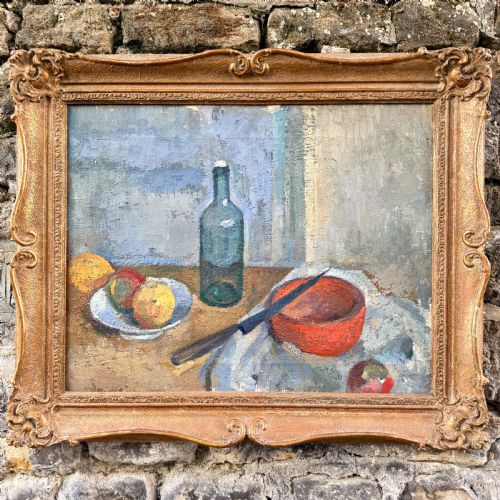
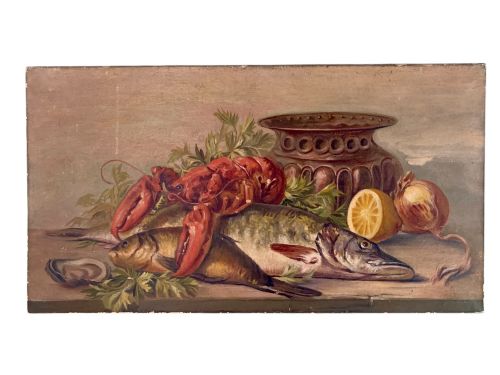
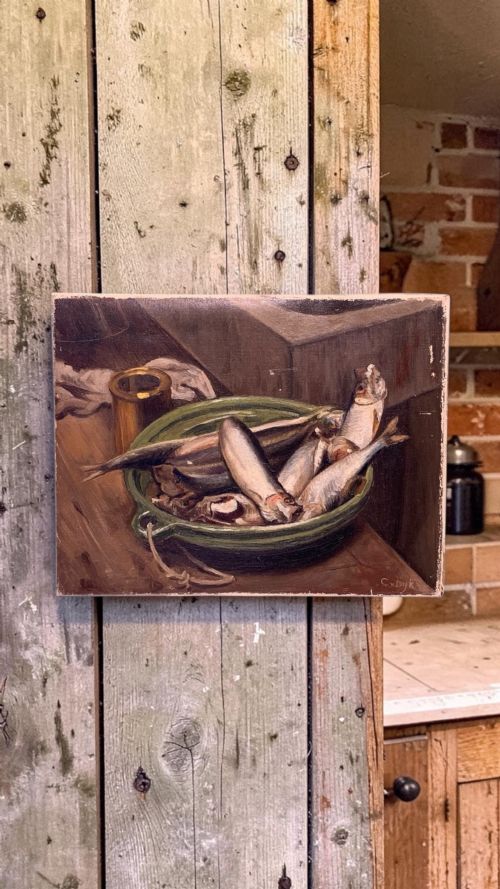
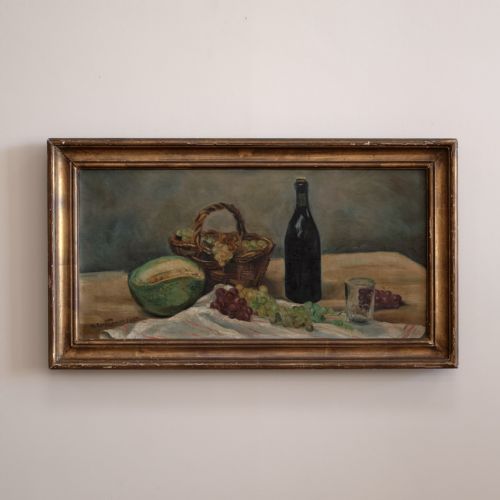
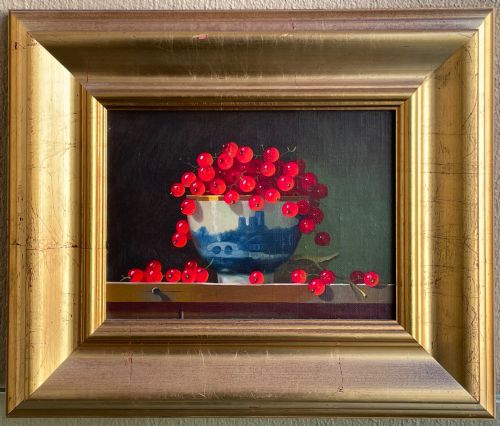
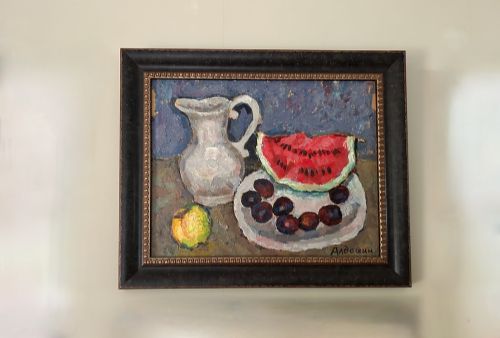
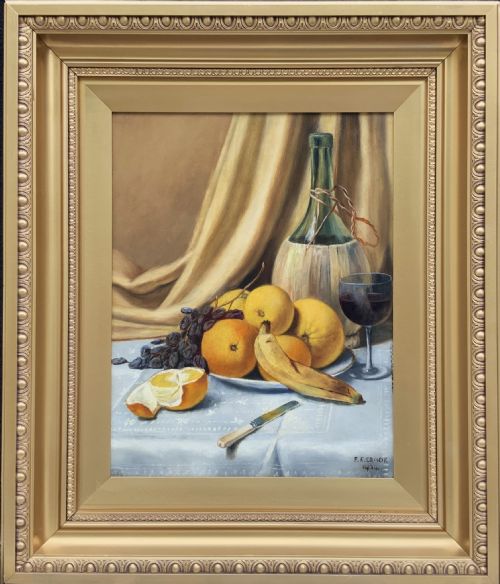
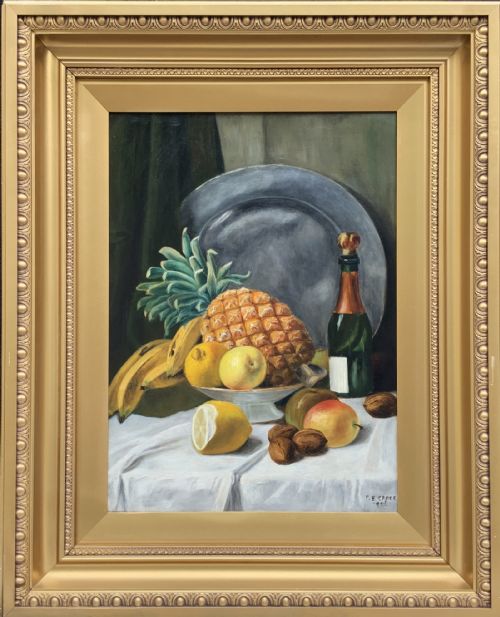
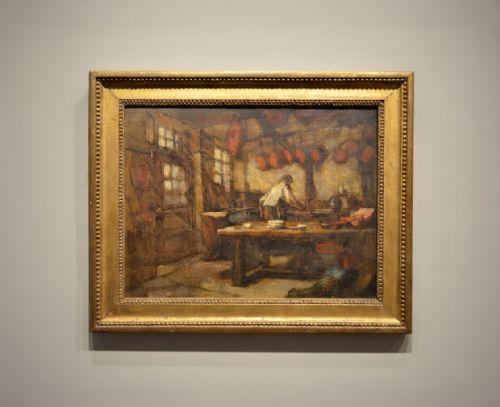
A kitchen oil painting selection brings together centuries of canvas and panel works depicting domestic interiors, larder scenes, and food studies. These range from Dutch Golden Age influenced compositions to mid-century European still lifes and Victorian interior studies.
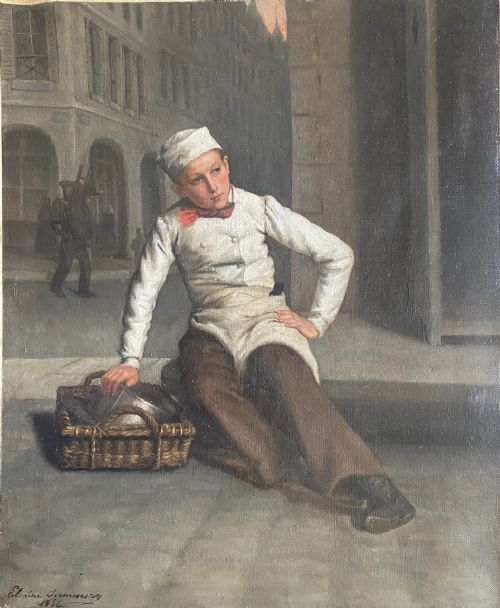
Buyers will encounter various formats spanning intimate wood panel studies and large canvases. The subjects frequently incorporate fruit, fish, vegetables, and kitchen maids within traditional domestic spaces.
The periods represented stretch from the seventeenth century through the nineteenth and twentieth centuries up to the modern era. French, Spanish, German, and Danish schools appear alongside British examples.
How they were made
Techniques range from meticulous academic realism and Dutch-style detail to post-impressionist brushwork and mid-century abstraction. Pigments were layered to capture the varied textures of food, textiles, and kitchen utensils.
Several kitchen scenes quietly feature observant cats keeping a close watch on the cooking.
What varies in quality
The success of a kitchen oil painting rests on the artist's handling of light, texture, and composition within a confined space. Superior works demonstrate a confident command of tonal relationships, particularly in rendering reflective surfaces like metal pots, glass, and fruit skins.
The distinction between standard works and master pieces lies in the precision of the narrative detail and atmospheric depth. Original period frames and documented attribution to salon-exhibiting or named artists elevate the standing of a piece.
Ian Parker·Vladimir Aldoshin·Vincent Clare·Thomas Couture·Gustav Goemans·John Robertson Reid·Pauline Delacroix Garnier·Alfred Broge·Knud Sinding·Knud Edsberg
The Kitchen Oil Painting Glossary
- Still life
- A painting depicting inanimate subject matter, typically commonplace objects such as food, game, or domestic vessels. These arrangements allow artists to focus on colour, texture, and light.
- Oil on canvas
- Pigment mixed with drying oil applied to a stretched woven fabric support. This combination provides durability and a flexible surface for varied brushwork.
- Wood panel
- A rigid wooden support used for paintings before canvas became dominant. Artists valued panels for their smooth surfaces which permitted minute detail.
- Gilt wood
- Wood decorated with gold leaf or gold paint, frequently used for traditional picture frames. This finish enhances the visual separation between the artwork and the surrounding wall.
- Academic realism
- A style of painting produced under the influence of European academies of art. It emphasises precise rendering, classical composition, and traditional subject matter.
Kitchen Oil Painting: Frequently Asked Questions
What subjects do these paintings show?
The works depict domestic interiors, food preparations, larders, and table arrangements featuring fruit, fish, and vegetables. Figures such as kitchen maids and apprentices also appear.
These scenes reflect the social history and culinary habits of their respective periods across different European schools.
How do I date a kitchen oil painting?
Dating relies on stylistic clues, costume details, framing, and the material of the support, such as canvas or wood panel. Signatures and gallery records provide further confirmation.
Many pieces carry specific attribution to nineteenth or twentieth-century schools and named artists.
Where should I hang these artworks?
These paintings suit dining rooms, reception spaces, and kitchen environments where their culinary and domestic themes resonate. Proper placement avoids direct sunlight to protect the oil pigments.
Pairing the canvas with a sympathetic period frame enhances its visual impact on the wall.
What is a larder painting?
A larder painting is a specific still life subgenre focusing on food storage areas filled with provisions like game, eggs, bread, and wine. These compositions celebrate domestic abundance and texture.
Artists used these studies to showcase their skill in rendering diverse organic surfaces.