




Kingwood Wood Cabinet
A kingwood wood cabinet brings rich, patterned timber and gilt mounts into a room, offering both display space and refined storage.
Kingwood Wood Cabinet
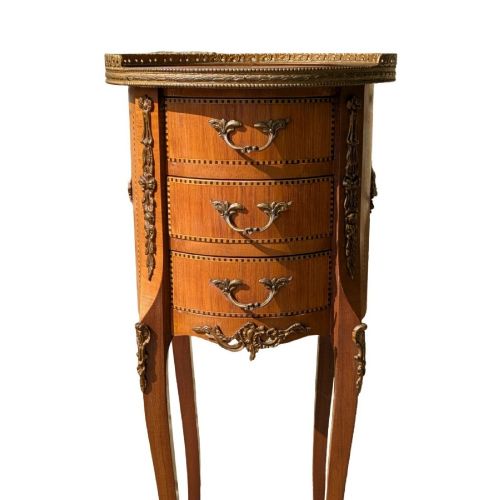
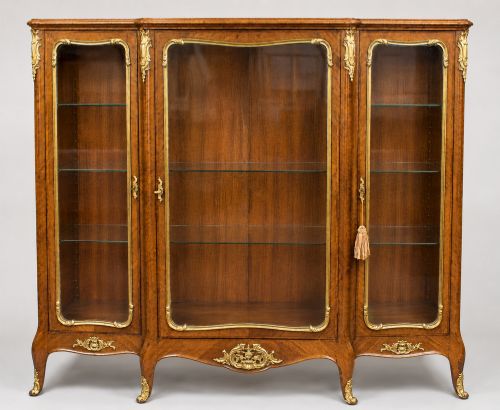
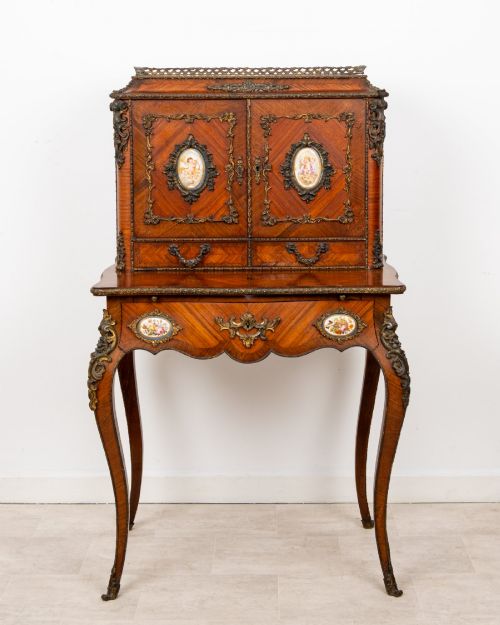
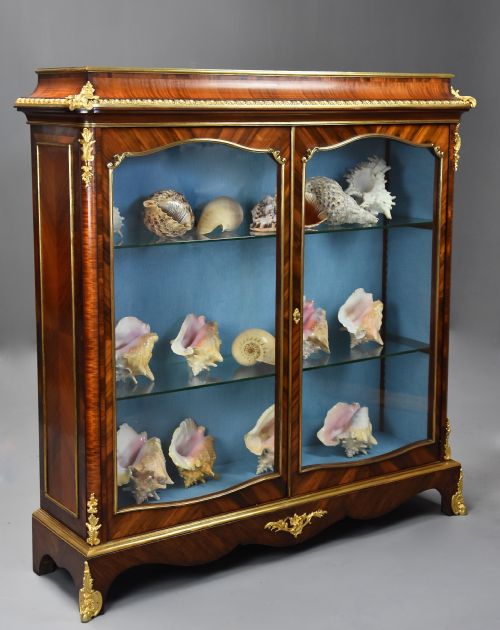
A kingwood wood cabinet encompasses pieces designed for display, writing, and bedside storage that rely on this distinctive figured timber for their primary visual impact.
The selections available range from 17th-century Flemish table cabinets and William and Mary pieces to 19th-century French commodes, vitrines, and writing desks.
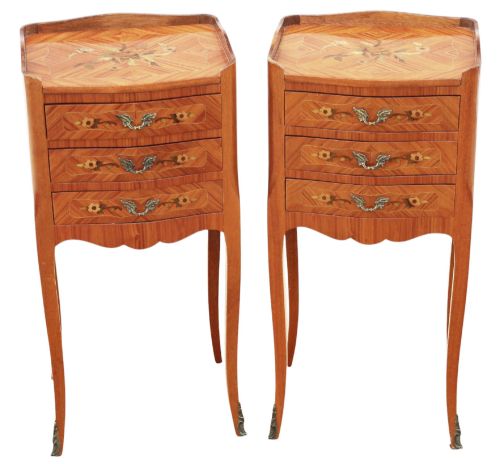
Bedside tables and display cabinets dating from the 1900s to 1930 frequently appear alongside nineteenth-century revival pieces shaped by French taste.
Materials and construction methods
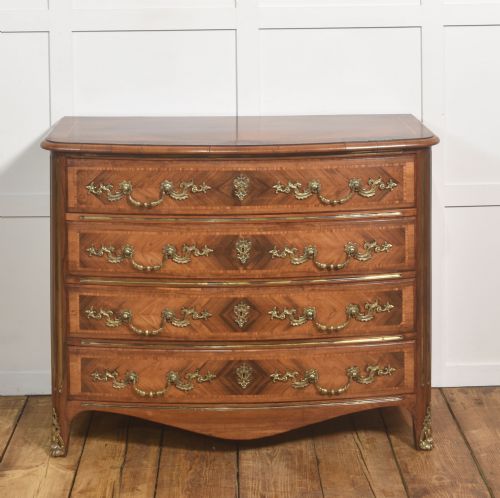
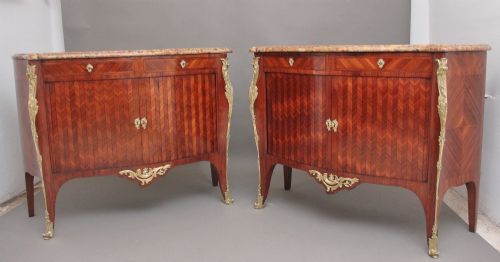
Cabinet makers sliced kingwood into thin veneers to arrange geometric parquetry patterns or floral marquetry across curved and serpentine carcases.
Cast ormolu mounts, brass details, and marble tops were applied to frame doors, protect corners, and crown the surfaces of larger side cabinets and commodes.
Kingwood Wood Cabinet Retail Price Guide 2026
Typical asking prices for kingwood wood cabinet among the pieces listed under this phrase on Sellingantiques today, from the lower quarter to the upper quarter. They describe what is for sale here now, not the wider market.
Despite its royal-sounding name, kingwood was actually named for the French kings Louis XIV and Louis XV who favoured it.
Distinctions in construction and design
The hierarchy of quality rests on the precision of the veneer work, the crispness of the gilt bronze mounts, and the balance of the proportions.
Master workshops employed heavier gauge ormolu and more complex floral marquetry, whereas simpler examples relied on straightforward parquetry patterns.
Maison Millet·Paul Sormani·Victor Raulin
The Kingwood Wood Cabinet Glossary
- Kingwood
- A dense, heavily figured South American timber displaying dark violet-brown and golden banding. It was widely utilised by elite European cabinet makers for veneering.
- Ormolu
- Gilt bronze mounts cast and chased to ornament the corners, feet, and key escutcheons of fine furniture. These fittings protect vulnerable edges while adding visual weight.
- Marquetry
- The art of arranging pieces of coloured wood veneer into pictorial or decorative motifs. Makers utilised contrasting timbers to create floral or geometric designs across drawer fronts.
- Parquetry
- Geometric wood veneer patterns arranged in repetitive grids or cubes. This technique adorned the flat surfaces and curved panels of tables and cabinets.
- Bonheur du jour
- A small ladies' writing desk featuring a superstructure of drawers and pigeonholes above the main writing surface. It gained popularity during the eighteenth century and saw revival production later.
- Vitrine
- A glass-fronted display cabinet designed for porcelain and curiosities. These pieces often incorporate glazed side panels to maximise light penetration.
Kingwood Wood Cabinet: Frequently Asked Questions
Where should I place a kingwood cabinet?
These cabinets suit drawing rooms, bedrooms, or studies where their detailed veneers and ormolu mounts catch natural light without direct sun exposure.
Position them away from direct heat sources to protect the wood and veneer from drying out over time.
How do I clean kingwood furniture?
Dust the surfaces regularly with a soft, dry cloth to prevent grit from settling into the grain and the veneer joints.
Avoid silicone polishes and damp cloths, opting instead for a quality wax applied sparingly when the timber appears dry.
How do I distinguish 19th-century revival pieces?
Nineteenth-century revival pieces often display machine-sawn veneer backing, uniform internal carcase timbers, and precise mechanical ormolu castings.
They reflect earlier French reigns such as Louis XV and Louis XVI while utilising contemporary workshop methods of the period.
What is the difference between a commode and a side cabinet?
A commode typically refers to a low chest of drawers with fitted doors or drawers, often topped with marble.
Side cabinets encompass a broader range of enclosed storage units, including cupboards, vitrines, and specialised writing furniture.