








Kilim Scatter Pillows
Kilim scatter pillows bring bold tribal texture and rich heritage into a room, offering an authentic piece of nomadic history for modern interiors.
Kilim Scatter Pillows
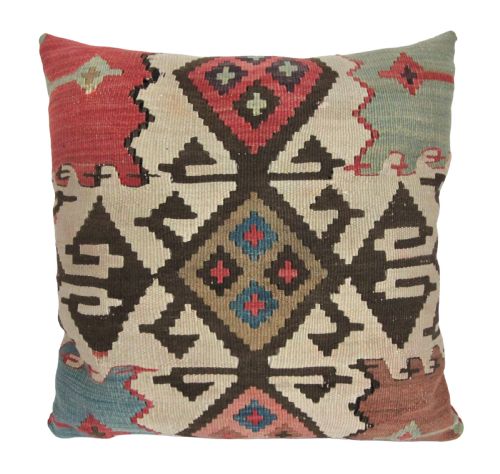
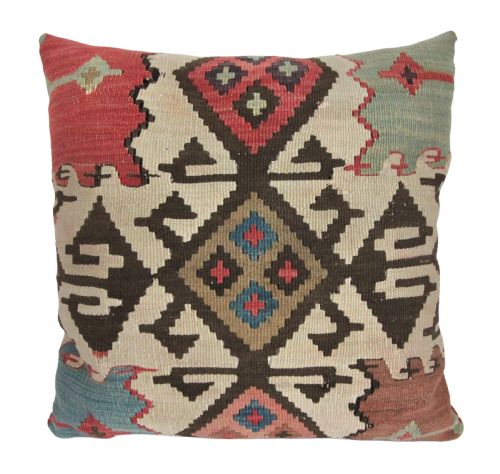
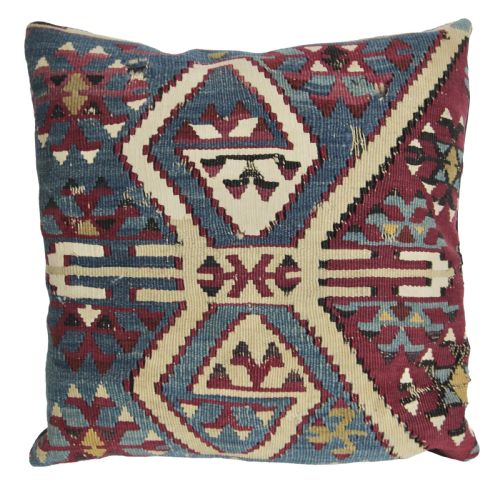
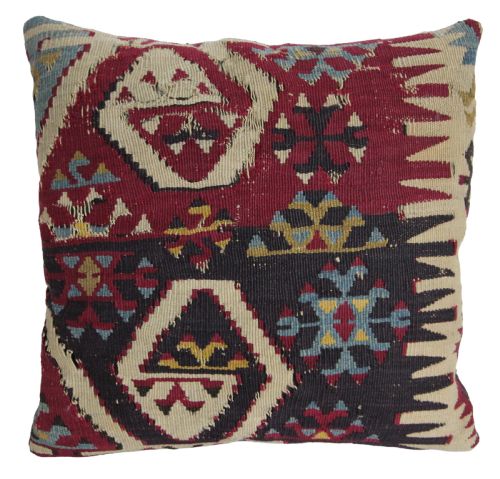
Kilim scatter pillows are flat-woven soft furnishings created from vintage wool and cotton textiles, predominantly originating from traditional nomadic and tribal traditions. When you search for kilim scatter pillows, you are looking at functional cushions fashioned from historic flat-woven rugs and bags rather than standard manufactured soft goods. The pieces you meet most often on this page take the form of antique scatter cushions and throw cushions dated across the nineteenth and early twentieth centuries.
The selection ranges from examples dated back to eighteen fifty up to nineteen twenty, alongside pieces attributed broadly to the nineteenth century. Makers constructed these textiles using traditional Anatolian tribal and nomadic methods, transforming utilitarian bags and floor coverings into decorative soft furnishings. Each cushion retains the distinctive geometric patterns and flat weave characteristic of its original tribal context.
Materials and construction
These items are constructed primarily from wool and cotton, utilising hand-woven techniques developed by tribal weavers. Artisans wove the wool and cotton yarns tightly on traditional looms to create flat surfaces without pile, forming durable panels intended originally for nomadic daily life.
The front faces of these cushions frequently utilise repurposed antique bag faces and rug fragments, which are then backed and stuffed to function as scatter cushions. This method preserves historical flat-weave textiles by adapting them into usable home accessories while maintaining their original hand-woven integrity.
Kilim Scatter Pillows Retail Price Guide 2026
Typical asking prices for kilim scatter pillows among the pieces listed under this phrase on Sellingantiques today, from the lower quarter to the upper quarter. They describe what is for sale here now, not the wider market.
Every cushion starts its life as a hardworking nomadic bag before retiring to a life of comfortable luxury on a sofa.
Judging quality in flat-weave cushions
Quality in these cushions rests upon the tightness of the weave and the complexity of the tribal design executed by the maker. Finer examples display precise geometric motifs and expert handling of wool and cotton yarns, whereas simpler pieces show more rudimentary execution.
The integrity of the original textile largely dictates the standard of the finished cushion. Pieces formed from well-preserved nineteenth-century bag faces demonstrate superior artisanal skill compared to later or more coarsely woven alternatives.
The Kilim Scatter Pillows Glossary
- Kilim
- A flat-woven carpet or rug made in countries previously part of the Ottoman Empire, Persia and Central Asia. These textiles lack a pile, making them lightweight and versatile for adaptation into cushions.
- Bag face
- The decorative front panel of a nomadic storage bag, often repurposed into cushions. These panels typically feature the most intricate tribal designs and finest weaving.
- Tribal
- Pertaining to traditional communities operating outside urban centres, producing textiles with distinct regional motifs and symbols. These designs reflect the specific heritage of the makers.
- Flat-weave
- A textile technique where the warp and weft threads are interlaced without creating a raised pile. This results in a smooth, durable fabric suitable for scatter pillows.
Kilim Scatter Pillows: Frequently Asked Questions
What are kilim scatter pillows made from?
These cushions are produced using hand-woven wool and cotton textiles derived from historic flat-weave rugs and storage bags. The natural fibres reflect traditional nomadic weaving methods.
Artisans repurposed these durable materials into scatter cushions, combining older tribal front panels with supportive backing fabrics for modern domestic use.
How old are these cushions typically?
The pieces available date across the nineteenth and early twentieth centuries, with specific examples recorded from eighteen fifty, eighteen seventy, eighteen ninety, and nineteen twenty.
Broader nineteenth-century datings also appear among the selections, reflecting the age of the original flat-woven textiles utilised in their construction.
Where do the designs originate?
The patterns stem from Anatolian tribal and nomadic traditions, incorporating traditional geometric motifs and weaving styles characteristic of these regions. Each design mirrors the visual language of historic rug-making.
These patterns were originally created by tribal makers for functional transport and flooring before being adapted into decorative throw cushions.
How should I use them in a room?
These scatter cushions function as decorative soft furnishings that introduce historical texture and pattern to seating areas and beds. Their flat-weave structure provides firm support.
Pairing them with plain upholstery allows the traditional tribal and nomadic designs of the wool and cotton panels to serve as a focal point.