




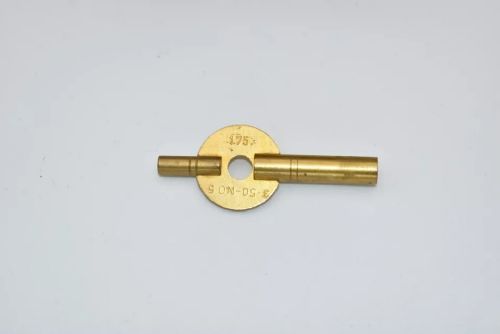
Key Wound Clock
A key wound clock brings mechanical timekeeping into a room, offering the steady rhythm of a mainspring.
Key Wound Clock
A key wound clock relies on a manual spring tension mechanism rather than electrical power, demanding periodic winding with a dedicated key to function. This search phrase encompasses a wide variety of timepieces designed for walls, mantels, or travel.
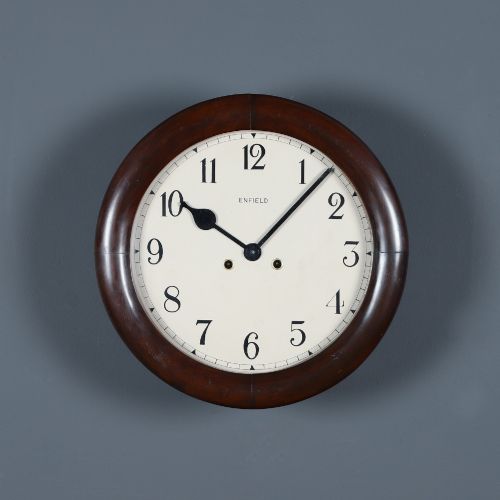
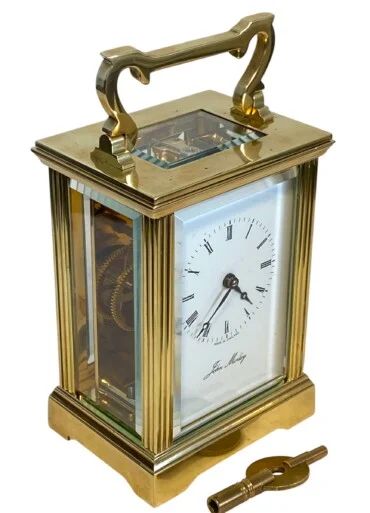
The selections available here range from robust railway station wall clocks housed in mahogany to portable carriage clocks framed in brass and glass. Buyers frequently encounter Victorian and Edwardian examples alongside later Art Deco and mid-century designs.
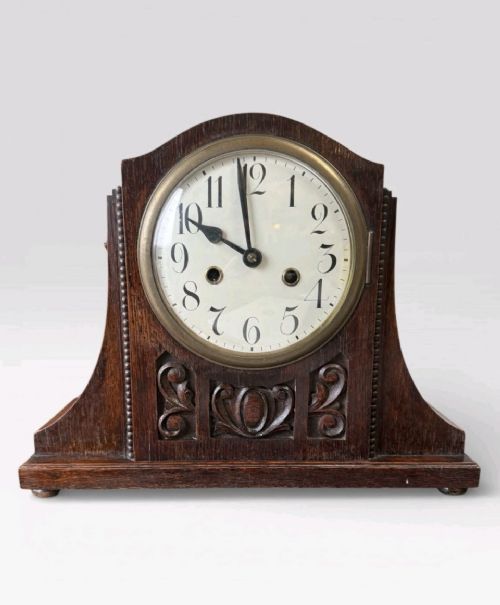
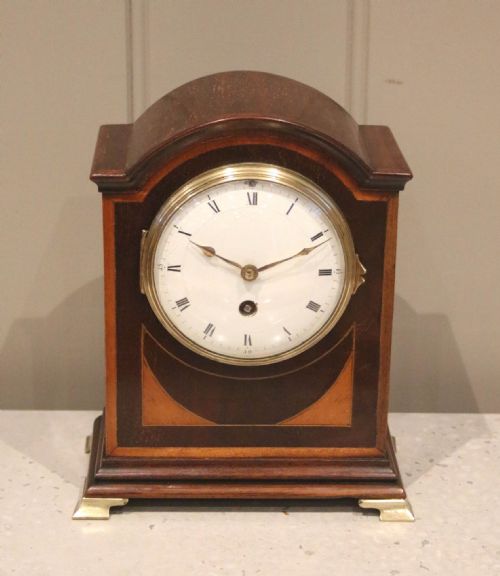
Mantel clocks and wall clocks dominate the offerings, serving both practical timekeeping and decorative purposes within domestic and commercial settings. Each period brings distinct proportions and timber choices to these functional objects.
Materials and construction
Timbers such as mahogany, walnut, and oak form the structural cases for many wall and mantel clocks, often enhanced with satinwood inlay or glass panels. Metal components, particularly brass and gilt bronze, provide the framework for delicate carriage clock movements and dials.
Enamel is frequently utilised for legible clock faces, featuring painted Roman or Arabic numerals behind protective glass bezels. These materials combine mechanical brass gear trains with traditional cabinetmaking techniques to ensure durability.
Listings feature periods spanning from the nineteenth century through the 1960s, constructed in brass, mahogany, walnut, and oak.
Evaluating craftsmanship
Quality in a mechanical timekeeper rests on the precision of the movement and the integrity of the case construction. Finer examples display meticulous joinery in hardwoods like walnut and mahogany, alongside heavier cast brass or gilt bronze frames.
The refinement of the dial execution, whether through detailed enamel work or subtle inlay, distinguishes superior production. Heavier weight and signed movements indicate higher standards of manufacturing origin.
John Morley·L Epee·Maple of London
The Key Wound Clock Glossary
- Carriage clock
- A portable, spring-driven timekeeper originally designed for travellers during the nineteenth century. These clocks usually feature brass and glass cases that display the internal mechanism.
- Bracket clock
- A traditional tabletop or shelf clock that originated when such pieces sat upon architectural wall brackets. They often incorporate detailed wooden cases and striking mechanisms.
- Escapement
- The internal mechanism that controls the release of power from the mainspring to the gear train. This part creates the characteristic ticking sound of a mechanical clock.
- Enamel dial
- A clock face created by fusing powdered glass to a metal substrate at high heat. This technique produces a smooth, durable surface for painted numerals.
- Mainspring
- A tightly wound spiral ribbon of spring steel stored inside a barrel to provide the motive power. Winding the clock tightens this spring to drive the gear train.
Key Wound Clock: Frequently Asked Questions
How often do I wind them?
Most mechanical timepieces require winding every eight days or twenty-four hours depending on the specific spring barrel configuration. Regular winding maintains steady tension on the mainspring for accurate timekeeping.
Consulting the specific movement type helps determine the correct schedule to avoid overwinding or letting the spring run down completely.
Where should I place a mantel clock?
Mantel timepieces sit securely on flat surfaces such as fireplace mantels, shelves, or sideboards away from direct drafts and dampness. A stable surface ensures the pendulum or balance wheel maintains an even beat.
Allowing adequate clearance around the piece prevents accidental knocks and preserves the polished wooden or metal exterior.
How do I identify a carriage clock?
Carriage timepieces are recognisable by their rectangular brass frames inset with bevelled glass panels on the sides and top. Many include a folding carrying handle on the upper case.
Originally built for travel, these compact pieces let the owner view the escapement working inside while resting on a desk or table.
What maintenance do these clocks need?
Routine care involves keeping the exterior clean with a soft cloth and ensuring the movement is periodically serviced by a professional horologist. Proper lubrication keeps the brass gears turning smoothly over decades.
Avoiding harsh chemical polishes protects the original wooden finishes and metal patinas accumulated over the years.