



Kerman Wool Rug
A kerman wool rug brings centuries of Persian weaving tradition into a room through intricate floral patterns and durable natural materials.
Kerman Wool Rug
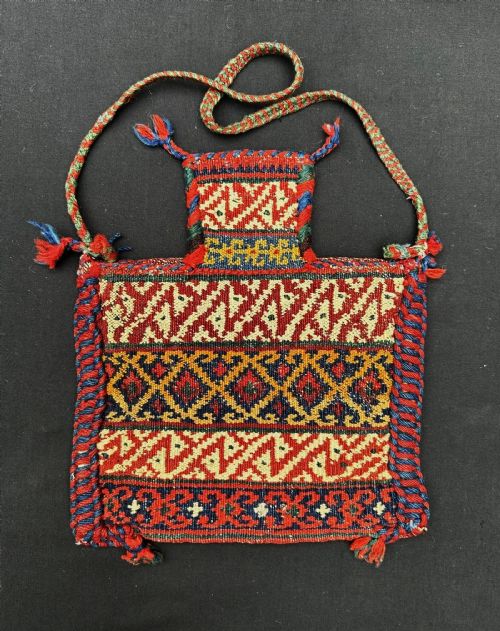
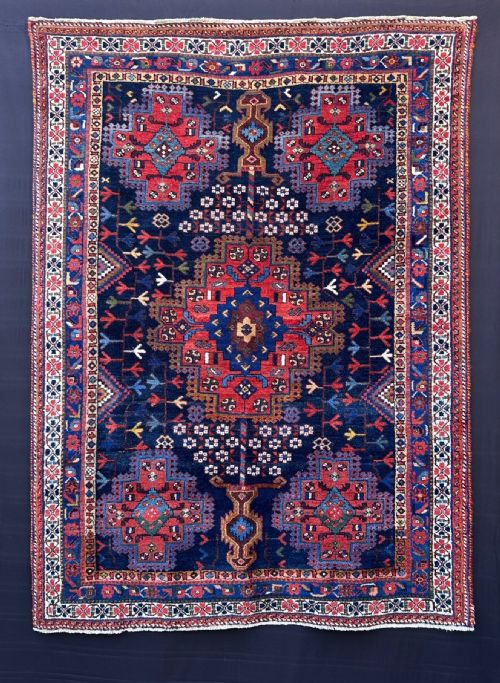
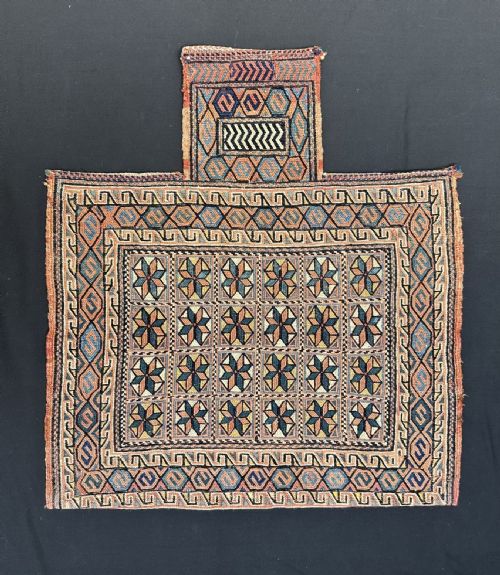
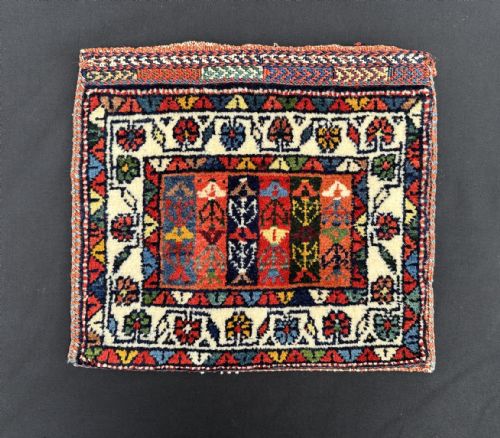
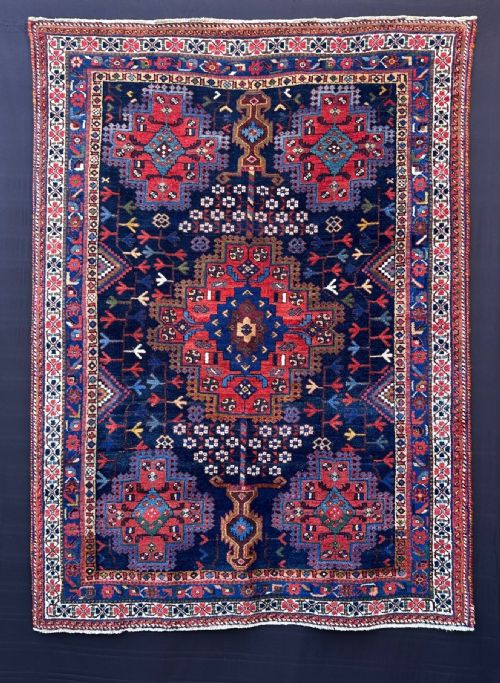
A kerman wool rug spans room-size carpets, runners, smaller floor coverings, and tribal storage bags originating from the Kerman province in South Persia.
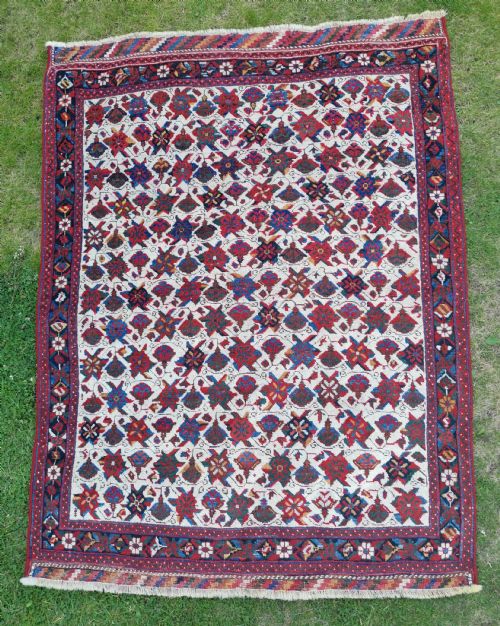
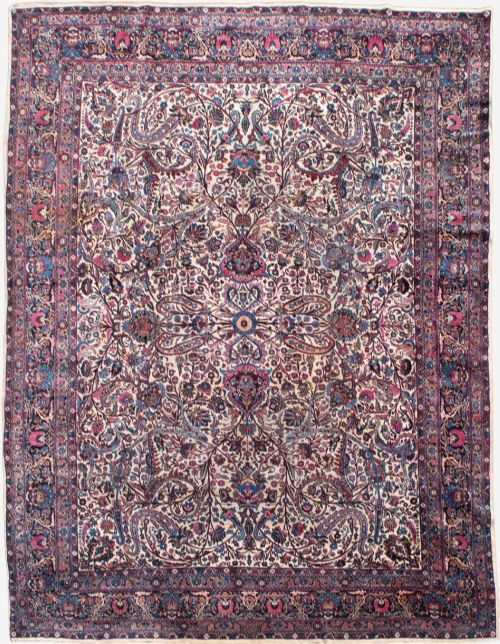
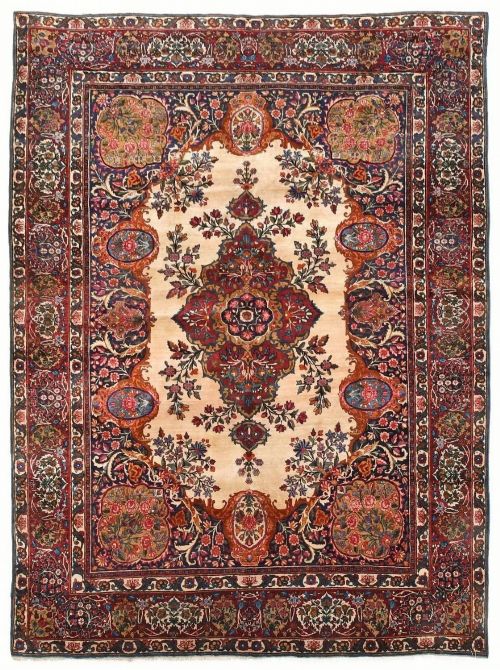
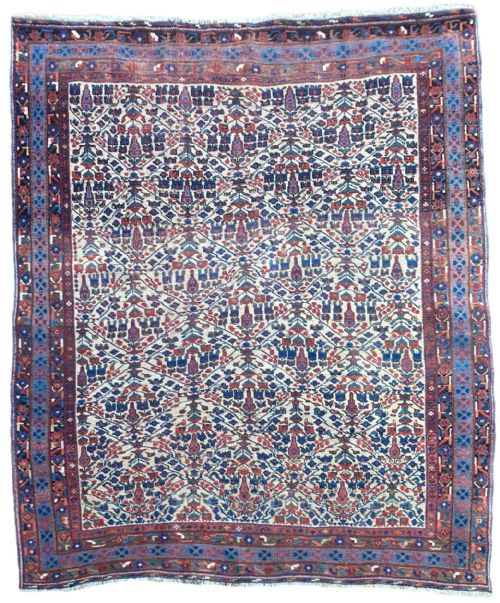
The selections on this page range across periods from the eighteen sixties to the nineteen thirties, encompassing both city-woven Kirman carpets and pieces produced by Afshar nomads.
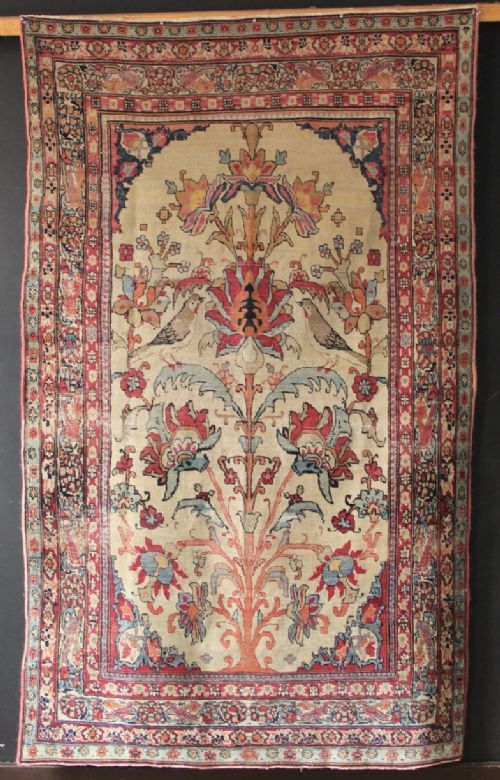
Buyers encounter distinct formats, including large room-size carpets, mats, prayer rugs with millefleurs designs, and flatweave or soumak techniques.
How they were made
These textiles utilise wool foundations combined with natural dyes to create stable, long-lasting floor coverings and storage pouches.
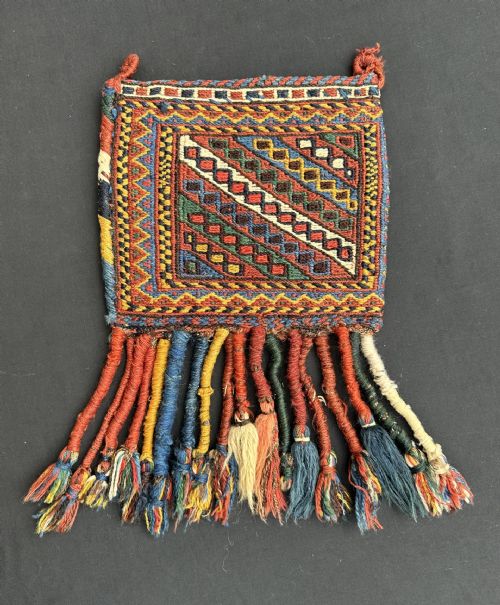
Nomadic and city weavers employed techniques ranging from standard rug knotting to flatweaving, soumak structure, and the inclusion of cowrie shells on specific bag faces.
Certain nineteenth century nomadic bags include actual cowrie shells stitched directly into the wool fabric for decoration.
What varies in quality
Knot density and the precision of floral or tribal repeat patterns determine the structural finesse of each carpet.
The depth and preservation of natural dye colours, alongside the integrity of the wool pile across room-size formats and smaller mats, define the overall standard.
The Kerman Wool Rug Glossary
- Kirman
- A major weaving centre in South Persia known for sophisticated floral carpets and room-size formats. These pieces often display detailed medallion or repeat boteh designs.
- Sofreh
- A woven cloth utilised by nomads for dining or bread preparation. These flatweave or pile pieces double as wall-hanging displays.
- Soumak
- A flatweave technique involving wrapping weft threads over warp threads to create a durable, textured surface. This method appears on various tribal bags and rugs.
- Millefleurs
- A dense pattern composed of countless tiny flowers. This design style occurs on specific nineteenth century prayer rugs from the region.
Kerman Wool Rug: Frequently Asked Questions
Where were these rugs made?
These textiles originate from the Kerman province in South Persia. City workshops produced large room-size carpets, while regional tribes such as the Afshar created smaller rugs and utilitarian bags.
Production spans multiple decades, reflecting both urban Persian traditions and nomadic lifestyle requirements across southern districts.
What is a sofreh?
A sofreh is a woven cloth used historically for eating, dining, or handling bread among nomadic groups. Examples found on this page range from flatweave formats to pile rugs.
These functional textiles often display geometric tribal designs and serve well as wall-hanging displays today.
How do city carpets differ from tribal pieces?
City-woven Kirman carpets typically feature expansive room-size proportions and intricate floral patterns such as repeat boteh or millefleurs designs. They require structured workshop production.
Tribal pieces by contrast include smaller rugs, vanity bags, and salt-bags made by nomads utilising geometric patterns, soumak techniques, and occasional cowrie shell decorations.
How do I care for an antique rug?
Gentle vacuuming without a rotating brush roll helps remove dust from the wool pile. Professional cleaning suited to antique textiles preserves the natural dyes and fibres.
Keeping the rug out of direct sunlight prevents colour fading and maintains the integrity of the foundation over time.