






Kerman Province Weaving
These kerman province weaving pieces are tribal rugs and bags woven by nomads, offering rich colour and pattern for the floor or wall.
Kerman Province Weaving
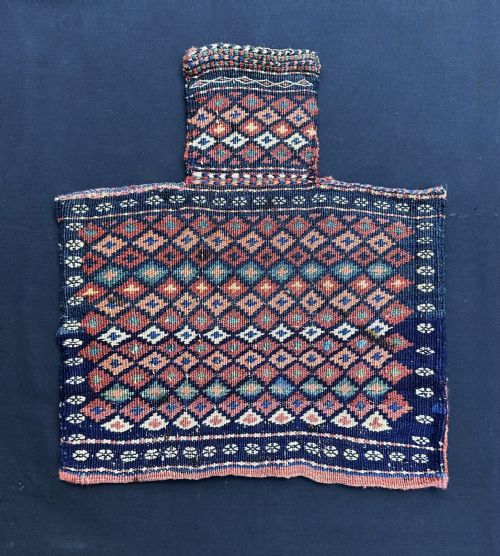
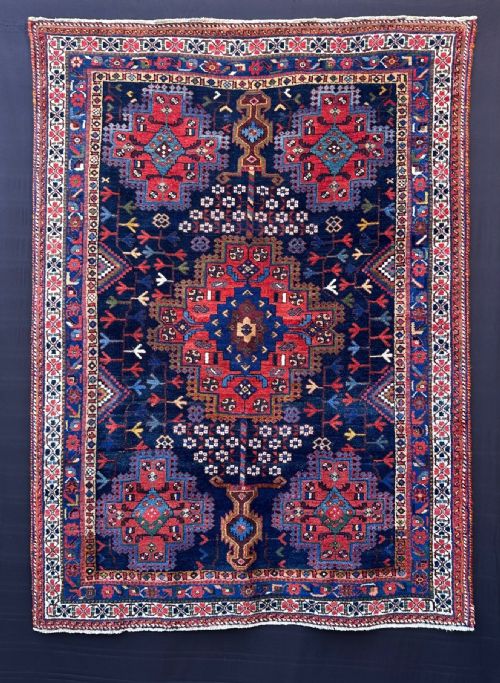
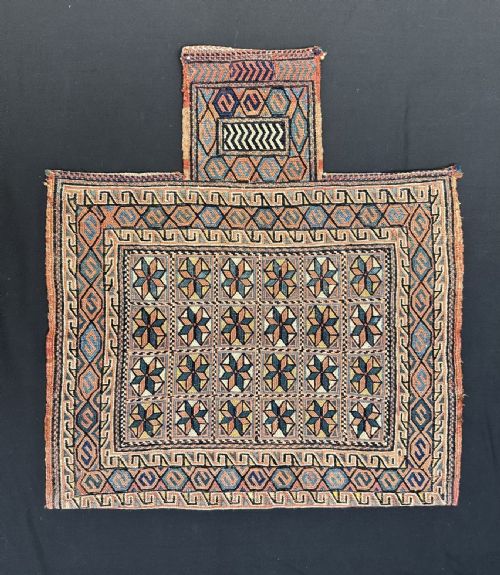
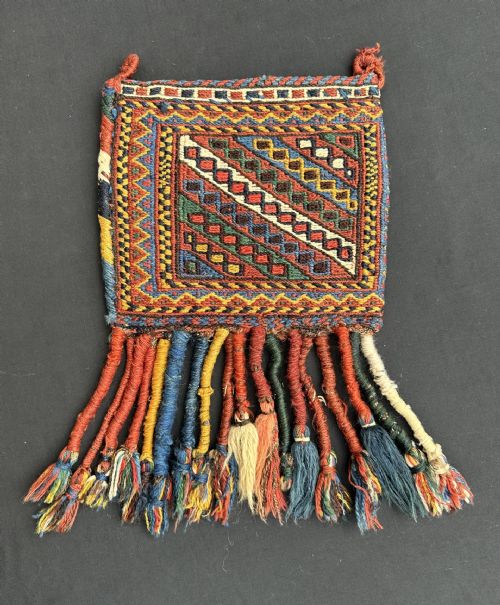
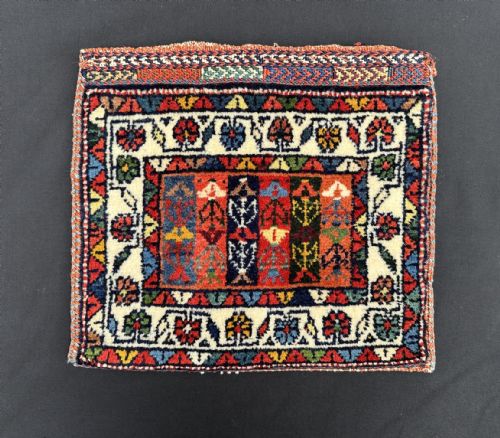
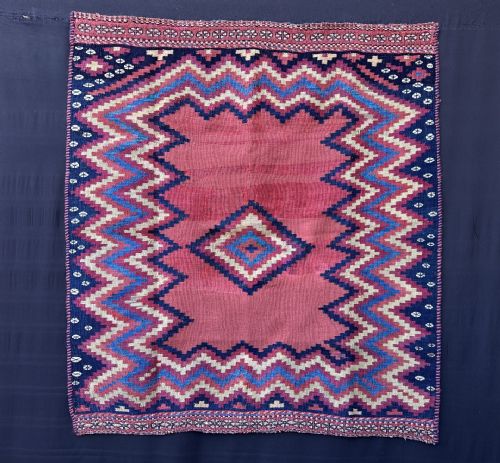
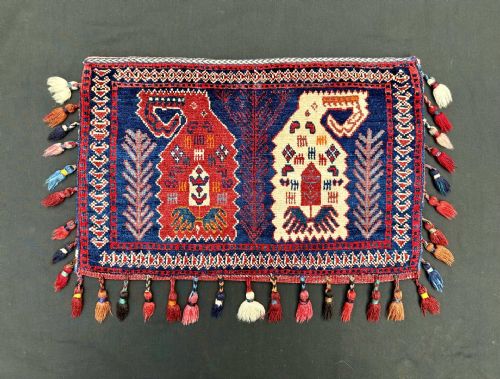
When searching for kerman province weaving, buyers encounter utilitarian and decorative pieces created by nomads and village weavers in southern Persia. The selection comprises rugs, flatweave rugs, and storage containers such as salt bags, vanity bags, and bread sofreh.
The most common formats on this page are small tribal bags and trappings alongside floor rugs. These items originate from specific groups including the Afshar tribes and subtribes across regions like Bardsir, Neiriz, and the Jebal Barez mountains.
Dating ranges from the mid-nineteenth century through the early twentieth century. Each piece reflects the functional needs of pastoral life, transformed into geometric and symbolic textile art.
How kerman province weaving pieces were made
Weavers constructed these textiles using wool for the pile and foundation, supported by cotton structures in certain pieces. Natural dyes provided the palette, yielding deep reds, blues, and earth tones that age gracefully.
Techniques varied between knotted pile rugs, flatweave structures, and soumak work. Artisans occasionally integrated cowrie shells into bags and trappings for ornamentation and protection.
Kerman Province Weaving Retail Price Guide 2026
Typical asking prices for kerman province weaving among the pieces listed under this phrase on Sellingantiques today, from the lower quarter to the upper quarter. They describe what is for sale here now, not the wider market.
Dates span from the mid-nineteenth century through the 1920s, representing traditional Persian tribal production.
What varies in quality
The standard of kerman province weaving depends on the fineness of the knotting and the crispness of the geometric drawing. Tighter structures and more complex field designs distinguish finer utilitarian bags and rugs from simpler examples.
Material handling also dictates distinction, particularly the saturation and variation of natural dyes across the wool. Well-preserved edges, complete original borders, and intact tribal elements like cowrie shell attachments elevate a piece.
The Kerman Province Weaving Glossary
- Sofreh
- A flatweave cloth used for kneading bread or serving meals. These textiles feature bold geometric layouts.
- Soumak
- A wrapping technique that creates a durable, non-pile structure with a smooth face and floats on the reverse. It is often utilised on storage bags and trappings.
- Afshar
- A Turkic tribal group residing in southern Persia known for distinct indigo grounds and sharp geometric medallions. Their output forms the core of this regional weaving.
- Flatweave
- A textile constructed without a pile by interlocking warp and weft threads. Examples include bread sofreh and various utility covers.
- Natural Dyes
- Colourants derived from plants, roots, and insects before the introduction of synthetic alternatives. They produce complex, varied tones that develop a rich patina over time.
Kerman Province Weaving: Frequently Asked Questions
How were tribal bags used?
Nomadic families utilised these woven pouches to transport salt, bread, and personal items during seasonal migrations. They also served as domestic storage containers within tents.
Many pieces were components of larger animal trappings or saddlebags, designed to withstand rigorous daily handling while displaying tribal identity.
How do I care for a tribal rug?
Protect the wool textile by placing it in areas with moderate foot traffic and avoiding direct, harsh sunlight. Regular gentle vacuuming without a beater bar prevents dust accumulation.
Consult a specialist in antique oriental textiles for professional cleaning rather than attempting wet washing at home.
How are different tribes identified?
Distinctions rely on specific wool qualities, colour combinations, and repeating geometric motifs characteristic of groups like the Afshar. Regional markers often point towards specific locations such as Bardsir or Neiriz.
Structural details, including end finishes and border arrangements, further assist in narrowing down the origin of individual pieces.