

Keepsake Storage Box
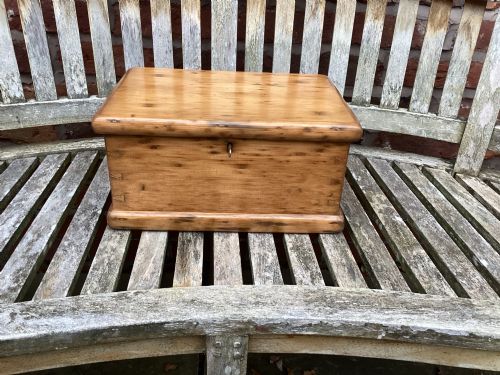
A keepsake storage box holds personal treasures, forged from mahogany, oak, or pine across centuries of varied craftsmanship.
Keepsake Storage Box
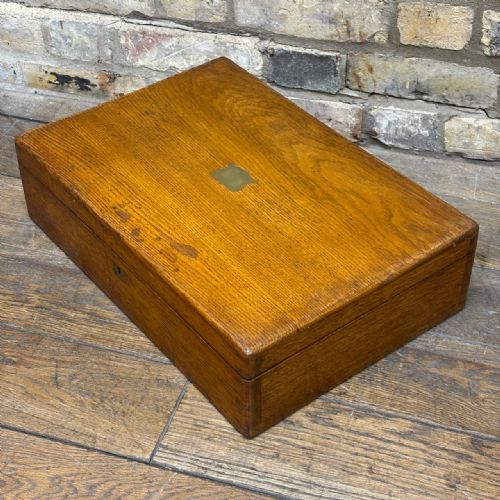
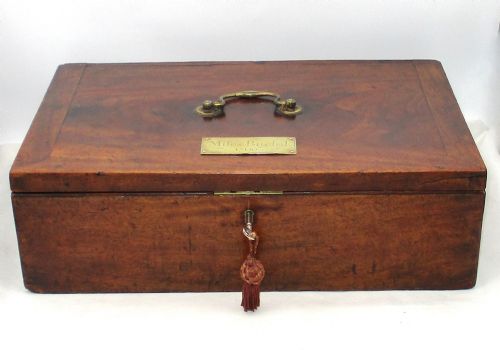
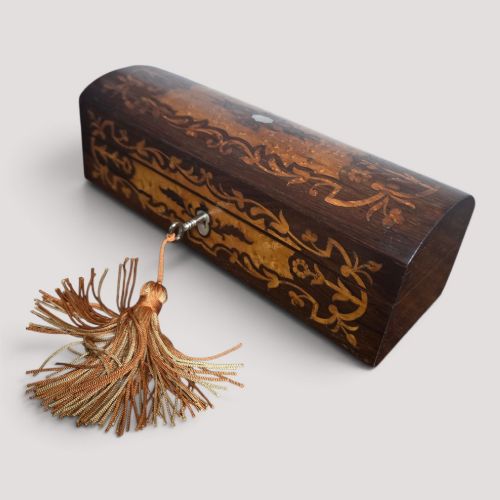
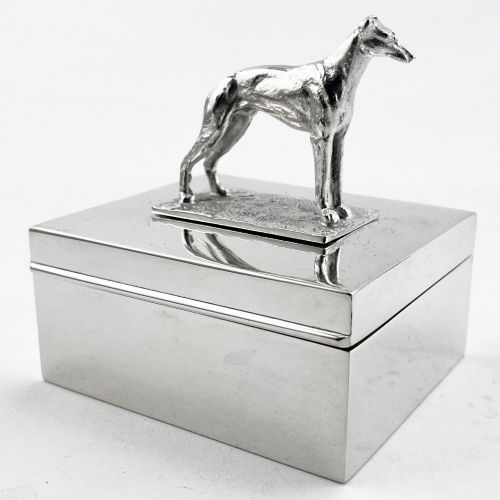
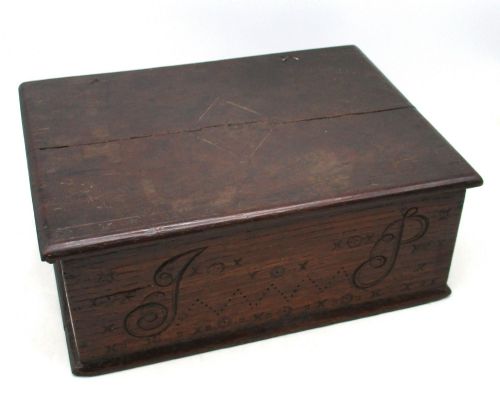
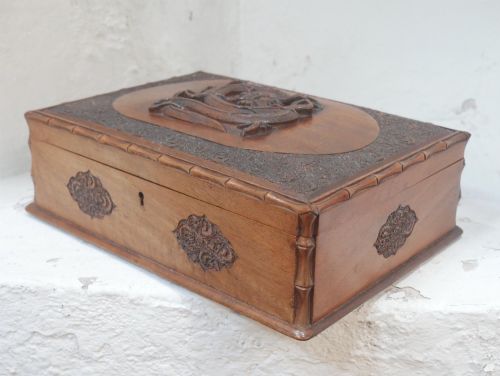
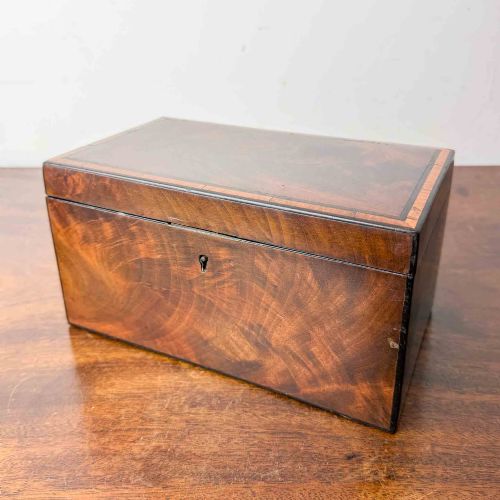
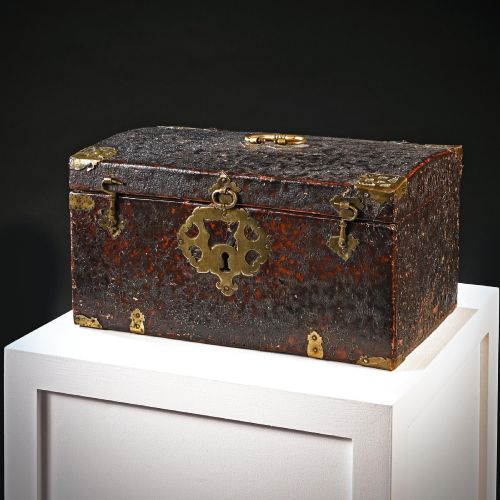
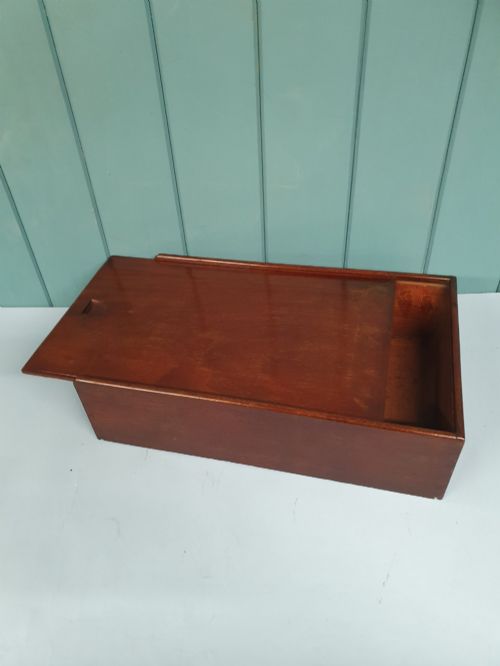
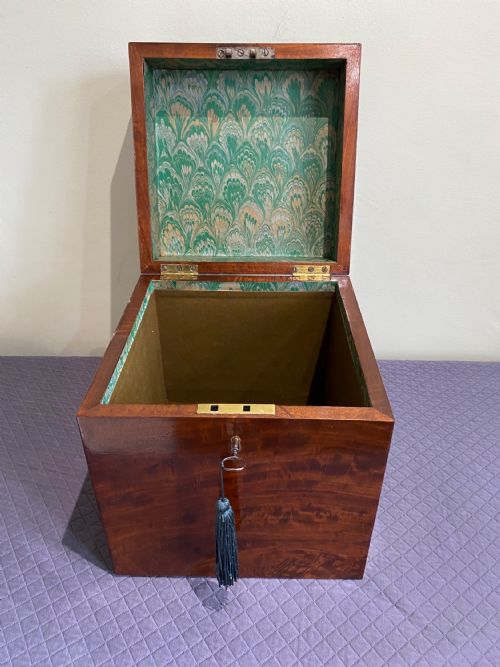
A keepsake storage box encompasses a diverse range of containers designed to hold precious items, from tea caddies and document chests to jewellery boxes and bible boxes. When exploring a keepsake storage box, one encounters various forms shaped by distinct historical periods, including the Georgian, Victorian, and seventeenth-century eras.
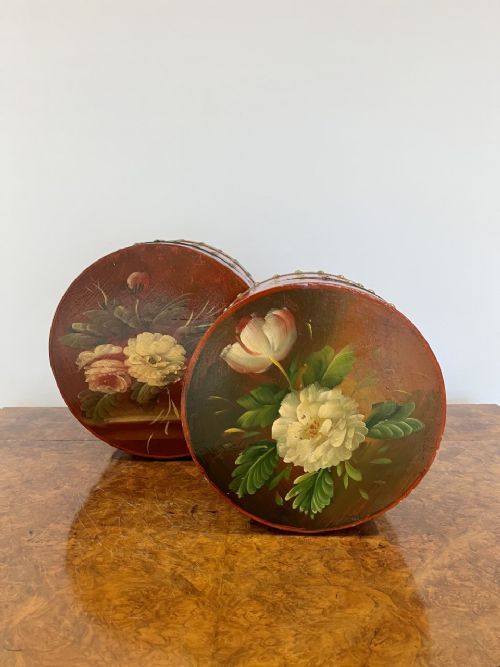
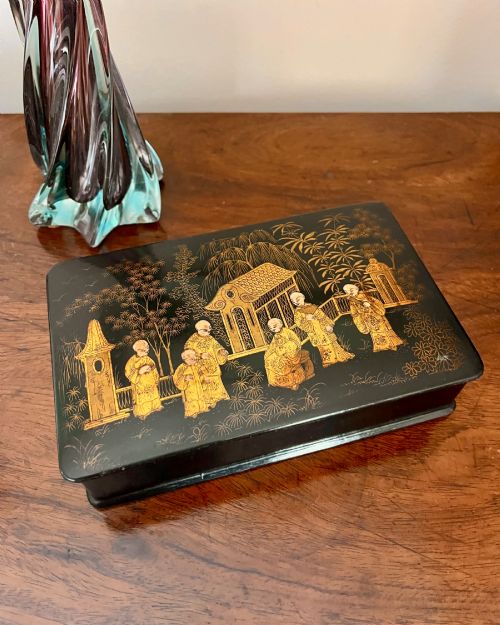
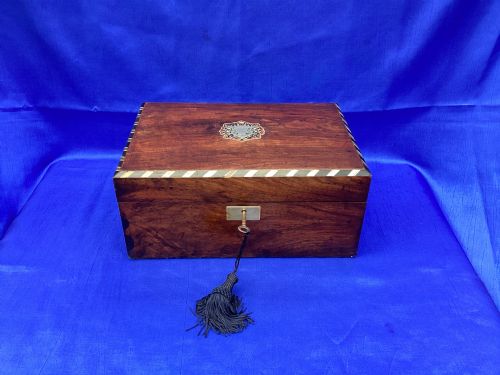
The most common examples on this page are wooden boxes fashioned from mahogany, oak, and rosewood, alongside hand-painted pine and folk art pieces. These items serve both functional and decorative purposes in domestic interiors, reflecting the utility and aesthetic preferences of their respective times.
Origins stretch from English workshops to Scandinavian folk traditions, Anglo-Indian crafting, and French production. Buyers find everything from utilitarian deed storage to delicate table-top caskets lined for valuables.
Materials and construction methods
Construction relies heavily on timber, utilising hardwoods such as mahogany, rosewood, oak, and walnut, alongside softer woods like pine and sycamore. Joinery techniques vary from simple nailed or pegged construction in early oak bible boxes to intricate dovetailing and fine cabinet-making in Regency and Victorian pieces.
Surface decoration defines many examples, incorporating brass mounts, iron hardware, tooled leather, mother-of-pearl and bone inlay, or elaborate hand-painted Chinoiserie and folk art motifs. Specialised finishes include lacquering, flame mahogany veneers, and Tunbridge ware mosaic work.
Keepsake Storage Box Retail Price Guide 2026
Typical asking prices for keepsake storage box among the pieces listed under this phrase on Sellingantiques today, from the lower quarter to the upper quarter. They describe what is for sale here now, not the wider market.
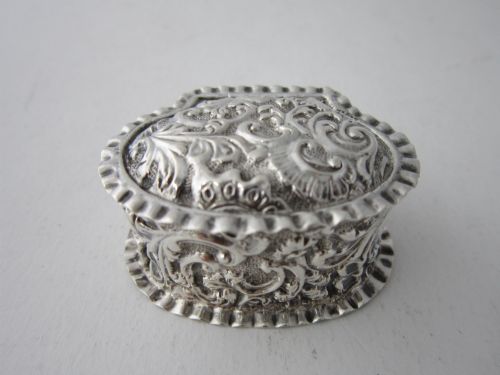
A nautical Cowes box brings a salty breeze straight to the mantelpiece.
Distinctions in quality and execution
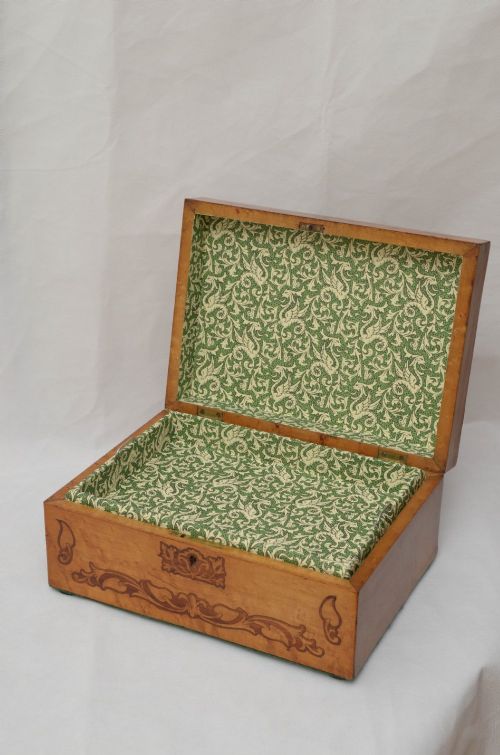
Quality rests upon the selection of timber and the precision of the cabinet work, distinguishing plain utilitarian pine from finely figured burr yew, bird's-eye maple, or flame mahogany. Superior pieces display thoughtful proportions, seamless veneer matching, and well-executed inlay work.
Hardware and interior fittings further separate tiers of manufacture, with heavy cast brass mounts, original working locks, and fitted compartments indicating higher workshops. The integrity of hand-painted decoration or specialised techniques like Tunbridge ware also elevates an object.
The Keepsake Storage Box Glossary
- Bible Box
- A desk-style wooden box with a sloping or flat hinged lid, originally intended to store sacred texts and writing equipment in seventeenth- and eighteenth-century households.
- Tea Caddy
- A container built to store loose tea leaves, often featuring internal compartments or canisters and sturdy locking mechanisms to protect a valuable household commodity.
- Tunbridge Ware
- Woodware decorated with tiny mosaic tiles of naturally coloured woods arranged to form geometric or pictorial scenes, characteristic of nineteenth-century Kent production.
- Flame Mahogany
- Mahogany timber exhibiting a distinctive flickering flame-like grain pattern, achieved by cutting across the branch junction and highly prized in Georgian and Victorian furniture.
- Campaign Box
- A portable chest or box constructed for military officers on the move, typically reinforced with brass corners and recessed carrying handles for durability during travel.
Keepsake Storage Box: Frequently Asked Questions
What were keepsake boxes used for?
These boxes served multiple domestic functions, storing personal valuables, letters, legal documents, tea, or jewellery. Their robust construction and fitted interiors protected fragile or high-value possessions.
Over time, owners adapted them to hold keepsakes, sewing equipment, or tobacco, reflecting the changing needs of households from the seventeenth century onwards.
How do I date an antique box?
Dating relies on examining the timber species, construction methods, hardware, and decorative styles. Seventeenth-century pieces typically feature heavy oak with pegged joinery, while Georgian boxes showcase mahogany and refined dovetails.
Later Victorian and Edwardian examples often incorporate machine-cut elements, exotic veneers, or specific manufacturing labels. Comparing the lock type and hinge style also offers reliable clues to the era of production.
Are these boxes suitable for daily use?
Most antique boxes remain structurally sound for storing modern keepsakes, jewellery, or stationery. The sturdy timbers and functional hinges allow for everyday interaction.
Care should be taken with delicate surfaces, hand-painted finishes, or original paper linings, which benefit from gentle handling and stable indoor humidity away from direct sunlight.
What is the difference between a tea caddy and a document box?
A tea caddy is specifically designed to hold tea, usually featuring internal foil or wood-lined compartments and a lock to secure an expensive pantry item. Document boxes are larger, flatter containers built to hold deeds, letters, or paper records.
While both utilise fine hardwoods, their internal layouts reflect their distinct original purposes within the historic home.