

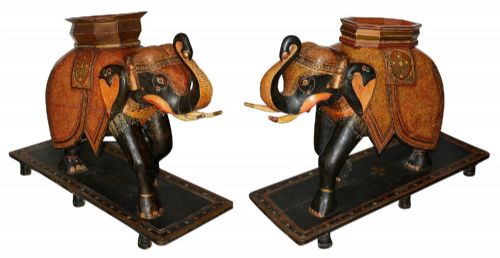


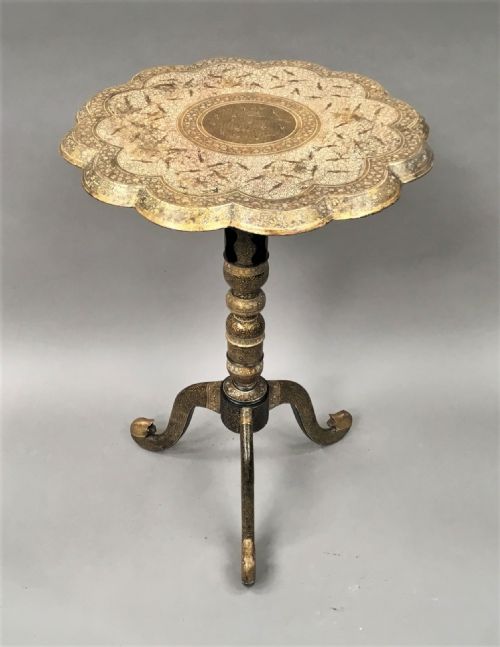


Kashmiri Wood Table
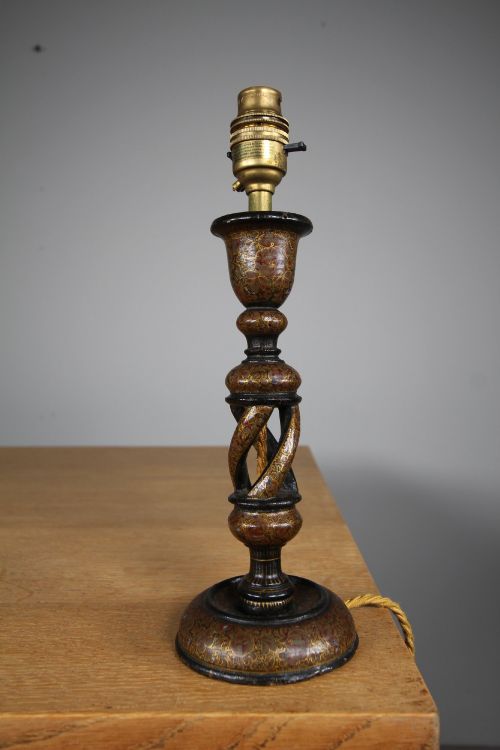
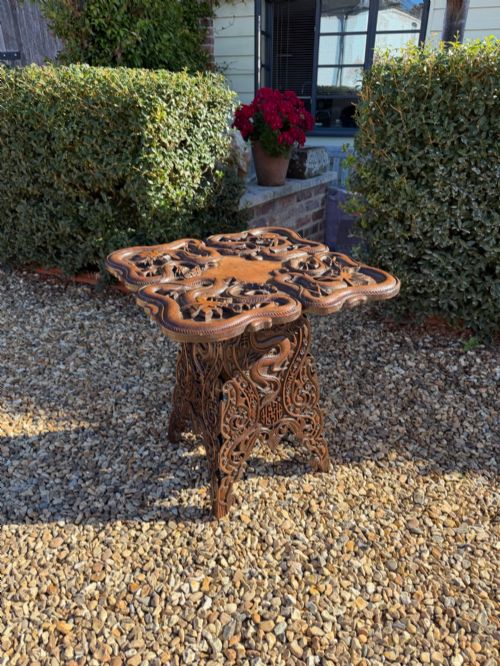
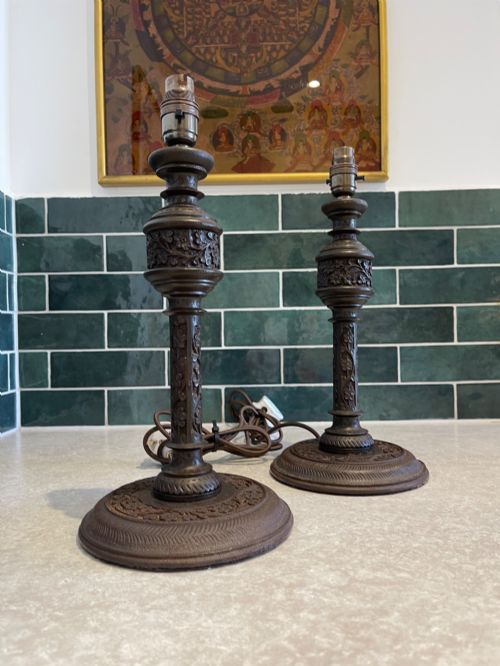
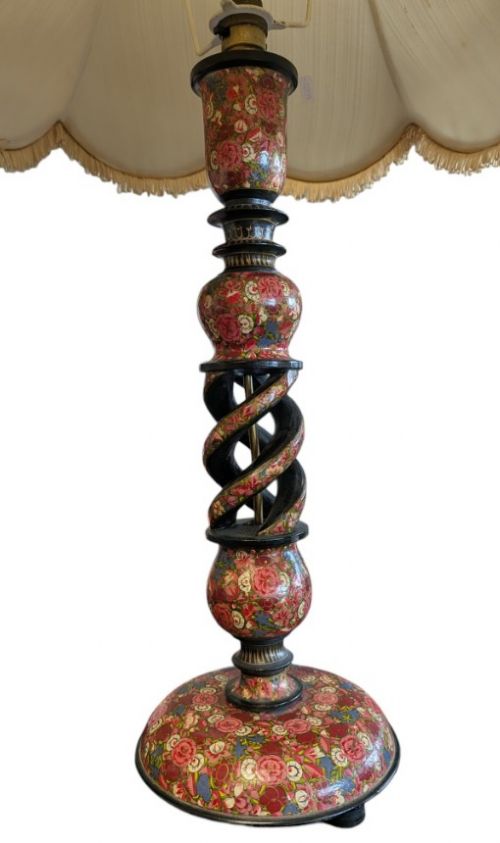
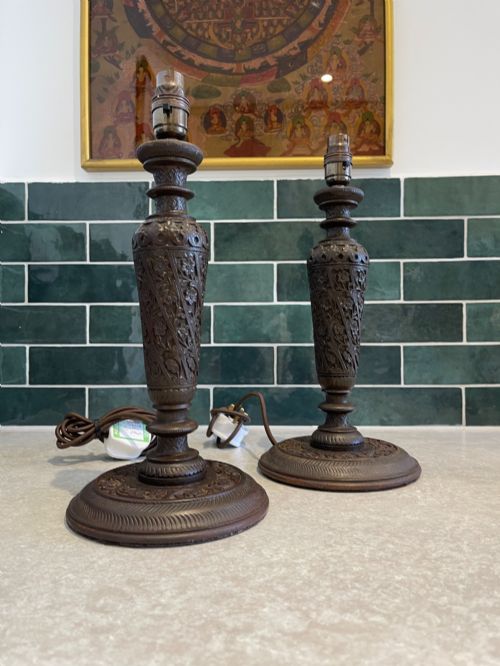
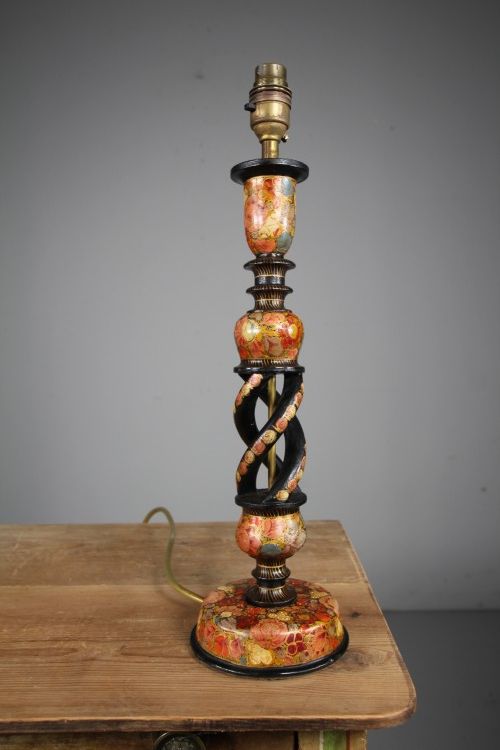
These Kashmiri wood table examples bring intricate carved detail and rich lacquer work into a room.
Kashmiri Wood Table
Buyers encounter items originating from the nineteenth century through the early twentieth century. Anglo-Indian and Kashmiri styles define the aesthetic of these pieces.
Smaller occasional forms and nesting tables appear frequently in this tradition. The craftsmanship reflects distinct regional carving techniques passed down through generations.
Materials and construction
Walnut and carved wood form the primary structural materials for these tables. Artisans shape the timber using traditional hand tools to create complex geometric and floral reliefs.
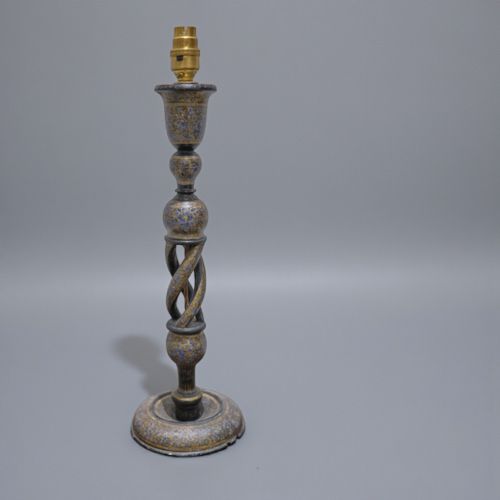
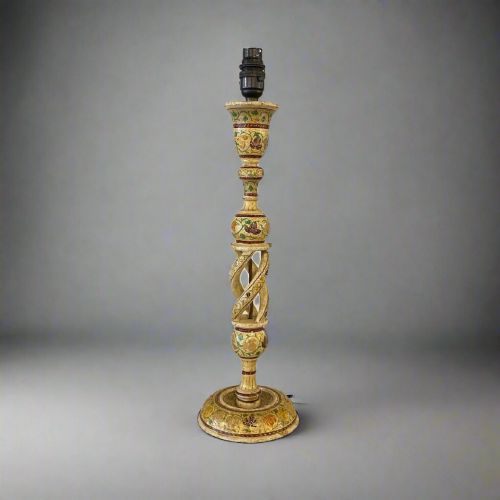
Lacquer and detailed paintwork provide the colourful surface finish seen on many examples. These finishes protect the wood while adding depth to the decorative panels.
Kashmiri Wood Table Retail Price Guide 2026
Typical asking prices for kashmiri wood table among the pieces listed under this phrase on Sellingantiques today, from the lower quarter to the upper quarter. They describe what is for sale here now, not the wider market.
Listings feature walnut, carved wood, and lacquer materials spanning the nineteenth and early twentieth centuries.
Distinguishing quality
The depth and clarity of the carved relief separate standard items from finer examples. Crisp edges on floral motifs indicate skilled hand carving rather than hurried production.
The preservation of the painted and lacquered surface dictates the overall appeal. Intact pigments and smooth varnish layers show careful historical maintenance.
The Kashmiri Wood Table Glossary
- Walnut
- A dense, dark timber favoured for carving intricate details. This wood takes fine chisel work exceptionally well.
- Lacquer
- A protective resin coating applied to wood surfaces. It provides a glossy finish that highlights painted decoration underneath.
- Anglo-Indian
- A style combining British furniture forms with traditional Indian craftsmanship. This aesthetic emerged during the colonial period.
- Nesting tables
- A set of graduated tables designed to fit neatly beneath one another. They offer practical surface space while saving floor area.
Kashmiri Wood Table: Frequently Asked Questions
How do I care for a lacquered surface?
Keep these tables away from direct sunlight to prevent the lacquer from fading or cracking over time. Dust gently with a dry, soft cloth.
Avoid using liquid polishes or harsh chemical cleaners on painted wood. Maintain a stable room temperature to protect the organic materials.
Are these tables sturdy enough for daily use?
Occasional tables and nesting sets serve well for holding lightweight items such as books or small lamps. Their delicate carvings require gentle treatment during everyday placement.
Avoid overloading the surfaces with heavy objects. Proper placement on level flooring prevents undue strain on the joints.
What periods do these pieces date from?
The available selection spans from the mid nineteenth century into the early twentieth century. Victorian and Edwardian eras represent the core of these dates.
Craftsmen working during the eighteen-eighties and nineteen-twenties produced many of the surviving forms. Stylistic details help narrow down the specific decade of creation.