


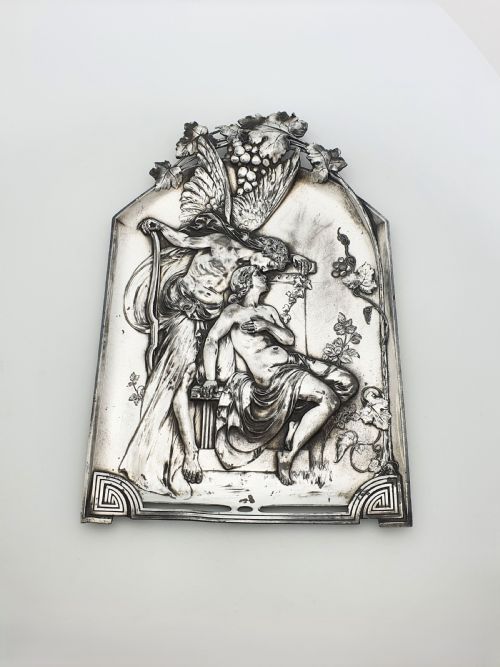


Jugendstil Silver Tray
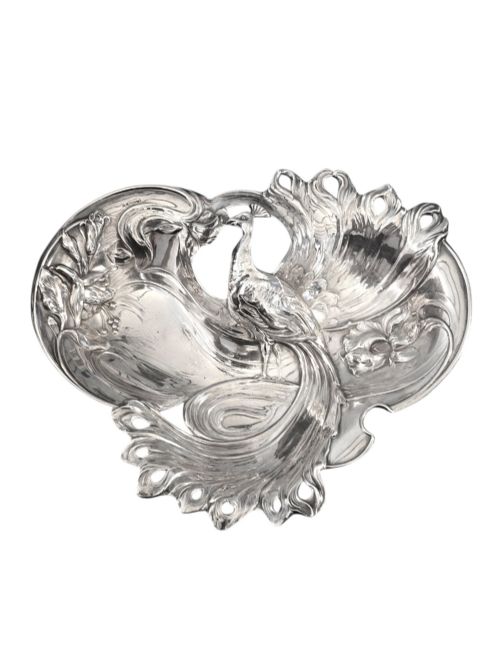
Jugendstil silver tray examples bring organic curves and sinuous flora straight to your table, combining continental design with functional metalwork.
Jugendstil Silver Tray
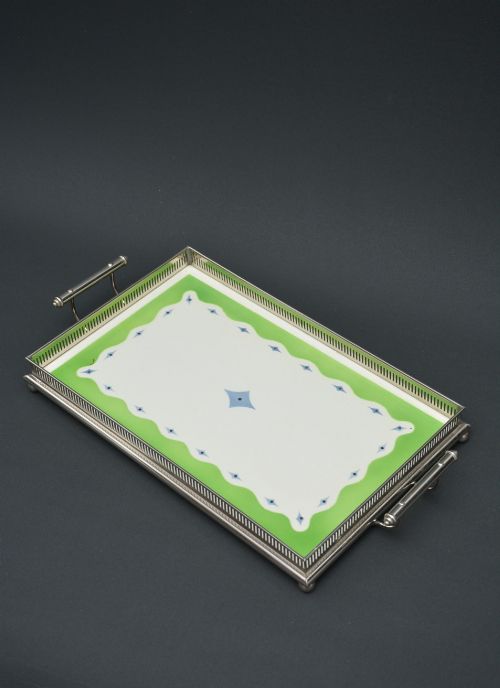
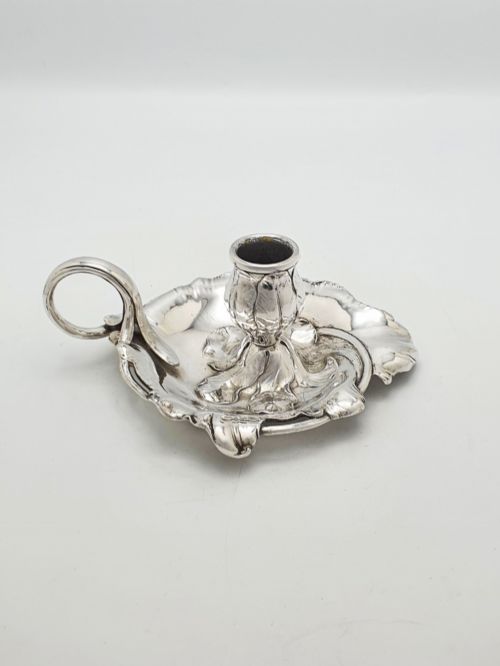
A jugendstil silver tray search reveals domestic items created during the late nineteenth and early twentieth centuries, spanning the Victorian era up to nineteen-ten. These pieces embrace the fluid lines of the Art Nouveau movement, often taking the form of card trays, crumb trays, and centrepieces.
The objects listed show German origins, predominantly produced by large metalware manufacturers of the period rather than small independent workshops. Alongside dedicated trays, related desk accessories and dishes appear in silver plate, pewter, and Britannia metal.
Materials and production methods
Makers utilised base metals such as pewter and Britannia metal, alongside silver plating, to achieve durable yet malleable surfaces suitable for high-relief casting. These metallic foundations were often combined with cut glass inserts or liners to create contrasting textures.
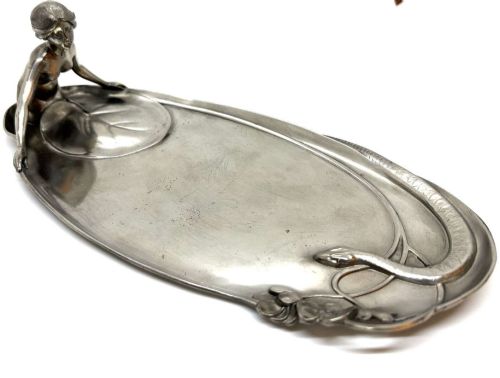
Casting techniques allowed artisans to shape complex plant motifs, female figures, and waterfalls directly into the metal body of each piece. Silvered finishes completed the effect, mimicking solid silver while keeping production costs accessible.
Jugendstil Silver Tray Retail Price Guide 2026
Typical asking prices for jugendstil silver tray among the pieces listed under this phrase on Sellingantiques today, from the lower quarter to the upper quarter. They describe what is for sale here now, not the wider market.
Listings span the period from eighteen-ninety through to nineteen-ten, recording materials such as silver plate, pewter, Britannia metal, and cut glass.
Factors of distinction
Quality rests upon the crispness of the cast relief and the complexity of the figural work, such as maidens, serpents, or leaf forms. Finer examples retain their original glass inserts and show minimal wear to the silver plating or silvered pewter finish.
The depth and artistry of the botanical or figurative ornamentation separate mass-produced items from superior studio output. Intricate handles and well-defined borders indicate higher craftsmanship during the manufacturing process.
WMF·Orivit
The Jugendstil Silver Tray Glossary
- Jugendstil
- The German variant of the Art Nouveau movement, characterised by dynamic, undulating lines inspired by natural forms. It dominated design from the eighteen-nineties through to the early twentieth century.
- Britannia metal
- A specific type of tin alloy prized for its silvery appearance and smooth surface, frequently utilised as a base for electroplating during the Victorian era. It allowed manufacturers to cast detailed decorative objects affordably.
- Silvered pewter
- Pewter treated with a thin surface coating of silver to enhance reflectivity and visual appeal. This technique gave utilitarian vessels the look of solid precious metal.
- Tazza
- An ornate pedestal cup or shallow bowl raised on a stem, used historically for serving small food items or display. In metalwork, these often feature elaborate handles and borders.
Jugendstil Silver Tray: Frequently Asked Questions
What defines a Jugendstil tray?
These pieces are defined by their organic motifs, asymmetric curves, and flowing plant forms typical of continental design around nineteen hundred.
They combine decorative appeal with practical utility, serving as desk accessories, card receivers, or serving dishes.
Are these items solid silver?
Most items from this period utilise base metals such as pewter, Britannia metal, or silver-plated alloys rather than solid silver.
Manufacturers chose these materials because they allowed for intricate, high-relief casting while remaining accessible to households of the era.
How do I care for silver-plated pewter?
Clean these items gently with a soft cloth, avoiding harsh chemical dips that can strip delicate silver-plated or silvered finishes.
Store them in stable humidity conditions to prevent oxidation and protect any original glass liners from accidental damage.
How do I distinguish Jugendstil from Victorian style?
Jugendstil designs favour sinuous, whiplash lines and naturalistic plant motifs, diverging from the heavier historicism often seen in earlier Victorian metalwork.
Items frequently blur the line between utility and sculpture, incorporating figures like maidens and serpents directly into the functional handles and borders.