






Jugendstil Glass
Jugendstil glass brings together organic forms, iridescent surfaces and metal mounts from the late nineteenth and early twentieth centuries.
Jugendstil Glass
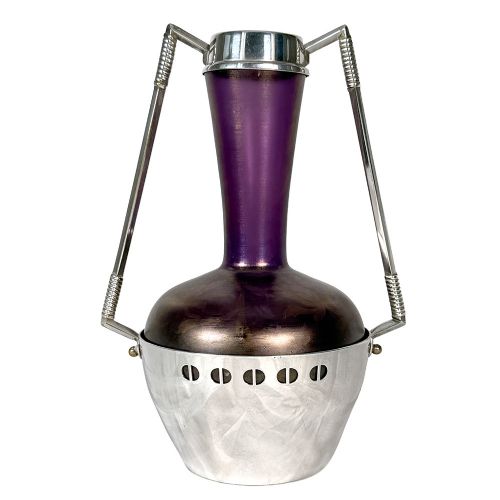
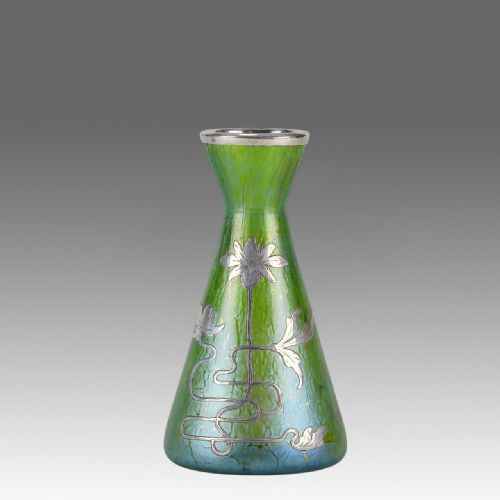
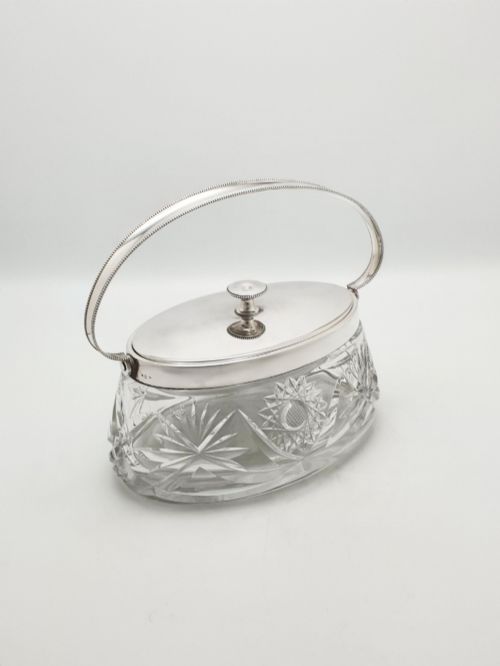
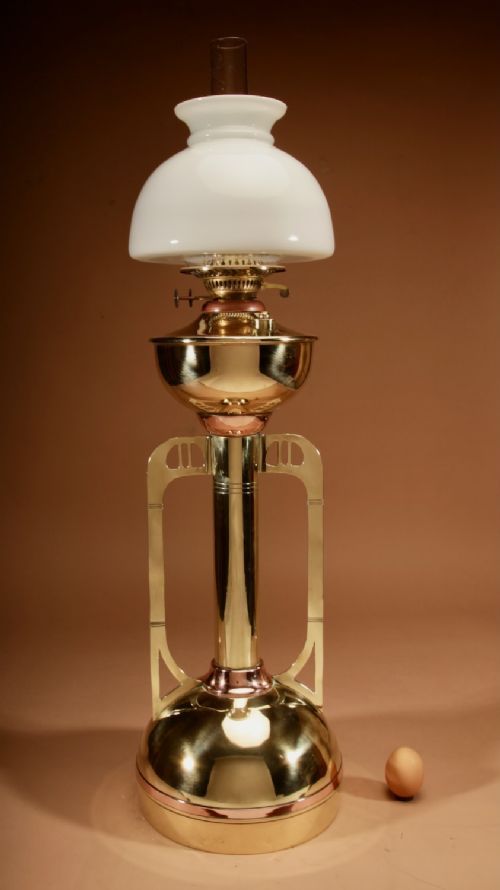
When searching for jugendstil glass, buyers encounter vases, centrepieces and glassware dating primarily from the 1900 and 1910 periods, alongside related styles such as Art Nouveau and Secessionist. These objects combine coloured or iridescent glass bodies with metalwork components like silver plate, pewter, brass and copper.
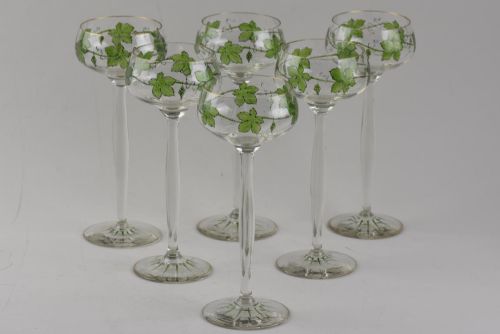
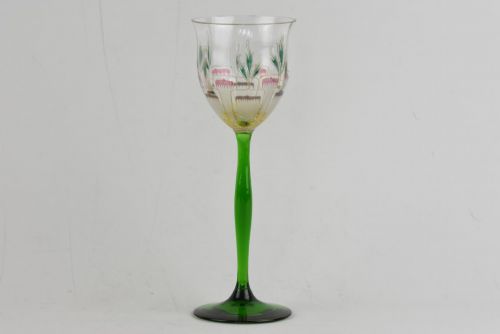
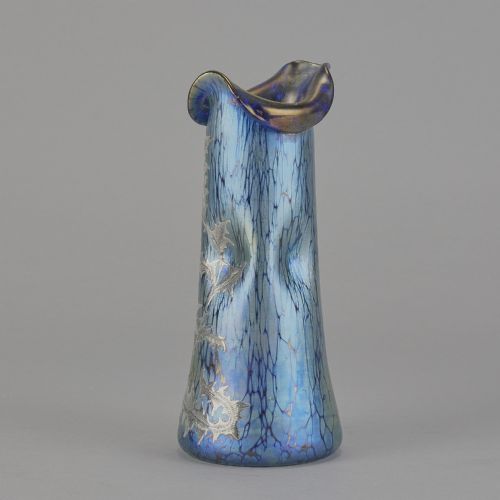
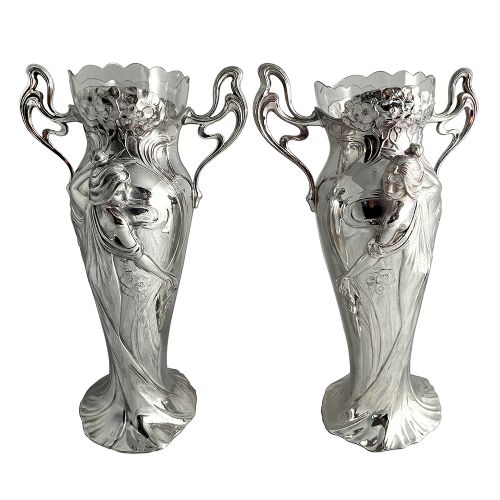
The most common forms on this page include iridescent glass vases from Bohemian makers, floral enamelled hock glasses, and silver-plated receptacles with green or ruby glass inserts produced by firms such as WMF.
Materials and production techniques
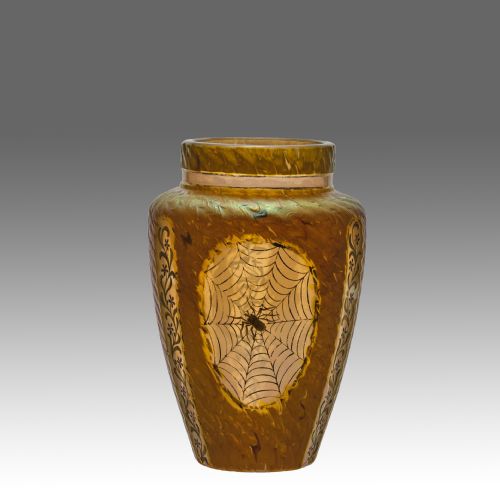
Makers utilised specialised glassblowing techniques to create iridescent effects, papillon surfaces and organic textures, often employing potash glass alongside gold leaf, enamel and cameo carving.
Metal mounts in silver plate, pewter, brass and sterling silver were cast and worked to clasp the glass bodies closely, frequently taking the form of stylized floral tendrils and figural maidens.
Jugendstil Glass Retail Price Guide 2026
Typical asking prices for jugendstil glass among the pieces listed under this phrase on Sellingantiques today, from the lower quarter to the upper quarter. They describe what is for sale here now, not the wider market.
Several pieces combine green vaseline glass with figural maiden pewter mounts to hold flowers.
Distinctions in quality
The standard of a piece rests upon the depth of the iridescence in the glass and the crispness of the casting in the metal mounts, whether pewter, silver plate or bronze.
Works attributed to notable glassworks and metal workshops display superior handling of colour, such as multi-toned papillion effects, and more intricate integration between the glass vessel and its metal frame.
Loetz·WMF·Theresienthal·Kralik Glass·Frits Hechert·Orivit·Ferdinand von Poschinger·Argentor·Adelbert Niemeyer·Gustave Serrurier Bovy
The Jugendstil Glass Glossary
- Iridescent glass
- Glass treated with metallic salts while hot to produce a shimmering, rainbow-like surface effect. This technique was widely developed by Bohemian glassworks around nineteen hundred.
- Jugendstil
- The German and Austrian manifestation of the Art Nouveau movement, characterised by flowing lines and organic motifs. It spans decorative objects, lighting and furniture from the turn of the twentieth century.
- Silvered pewter
- A pewter alloy treated with a silver coating to give the appearance of solid silver while retaining the malleable qualities needed for detailed figural casting.
- Secessionist
- A style associated with the Vienna Secession movement that favoured geometric austerity alongside organic forms. It appears on metalwork, ceramics and lighting from the early twentieth century.
- Roemer
- A traditional Germanic stemmed drinking glass with a large bowl and a ribbed stem. Examples often feature polychrome enamel decoration.
Jugendstil Glass: Frequently Asked Questions
How do I identify Jugendstil glass?
Look for organic shapes, iridescent finishes, and metallic mounts in pewter or silver plate. These characteristics reflect the design priorities of the early twentieth century.
Signatures or factory marks, where present, often point to Bohemian and German workshops of the period.
How were metal mounts used?
Metal mounts in pewter, silver plate and brass served to frame and support delicate glass vessels. Firms integrated these elements directly into the design of centrepieces, decanters and vases.
Such mounts often display flowing floral patterns typical of the Art Nouveau style.
How should I care for glass with metal mounts?
Clean the glass components gently with mild soap and water while avoiding abrasive cleaners that could damage iridescent surfaces. Keep metal mounts dry to preserve the silvered or plated finish.
Display pieces away from direct sunlight to protect enamel decorations and coloured glass.