



Japanned Bamboo Furniture
Japanned bamboo furniture combines natural cane frames with lacquered surfaces, offering collectors lightweight exoticism and distinctive Victorian character.
Japanned Bamboo Furniture
Japanned bamboo furniture comprises items produced primarily during the nineteenth century, spanning periods from the 1870s to 1910. These pieces emerge under Victorian aesthetic movement and Chinoiserie styles, reflecting a distinct enthusiasm for orientalist design.
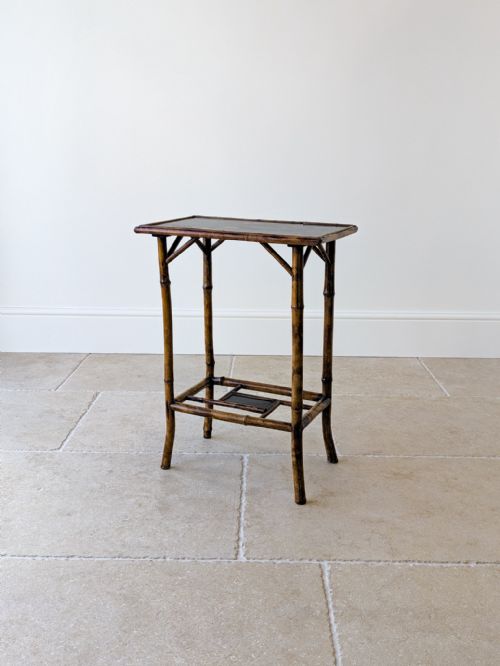
Origins trace principally to English makers working within the aesthetic period, utilising tiger bamboo and ebonised wood frames. Lacquered panels and hand-painted decoration define the visual language of these items.
How japanned bamboo furniture was made
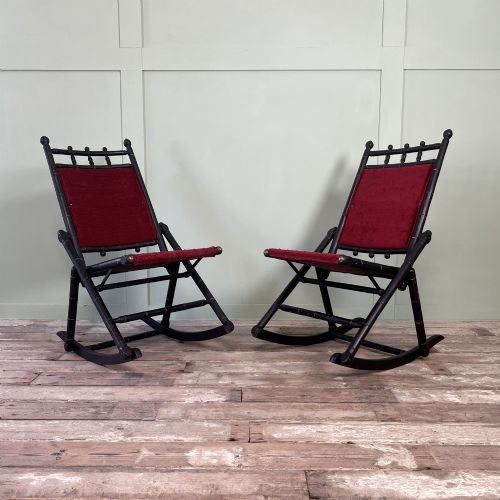
Construction relies upon natural and tiger bamboo frames, sometimes supported by ebonised wood or structural timber. Artisans assembled these frameworks to support lightweight domestic items such as folding rocking chairs and tiered sewing tables.
Surfaces received japanned lacquer treatments, incorporating hand-painted Chinoiserie scenes and decorative motifs. Additional materials like velvet, brass fittings, rattan, and mirror glass appear on specific forms like hall stands and bijouterie cabinets.
Japanned Bamboo Furniture Retail Price Guide 2026
Typical asking prices for japanned bamboo furniture among the pieces listed under this phrase on Sellingantiques today, from the lower quarter to the upper quarter. They describe what is for sale here now, not the wider market.
Materials recorded across the inventory include tiger bamboo, ebonised wood, lacquer, brass, velvet, mirror glass, and rattan.
What varies in quality
The refinement of the hand-painted lacquered decoration dictates aesthetic merit across tables and cabinets. Crisp detailing on pagoda tops and painted panels separates standard production from superior examples.
Structural integrity depends on the preservation of the original bamboo canes and the stability of joints within folding rocking chairs and hall stands. The integration of secondary materials like mirror glass and brass hardware influences the overall sophistication of the piece.
The Japanned Bamboo Furniture Glossary
- Japanning
- European imitation of traditional East Asian lacquerwork, applied to furniture surfaces. This technique creates a glossy dark finish often adorned with painted gold or coloured motifs.
- Aesthetic Movement
- A late nineteenth-century design current that prioritised visual beauty over moral or narrative purpose. It encouraged the adoption of Japanese and other Asian decorative arts in British interiors.
- Chinoiserie
- European artistic style reflecting Chinese motifs and techniques, popular in furniture and decorative arts. The aesthetic manifests through pagoda silhouettes and hand-painted landscape scenes.
- Canterbury
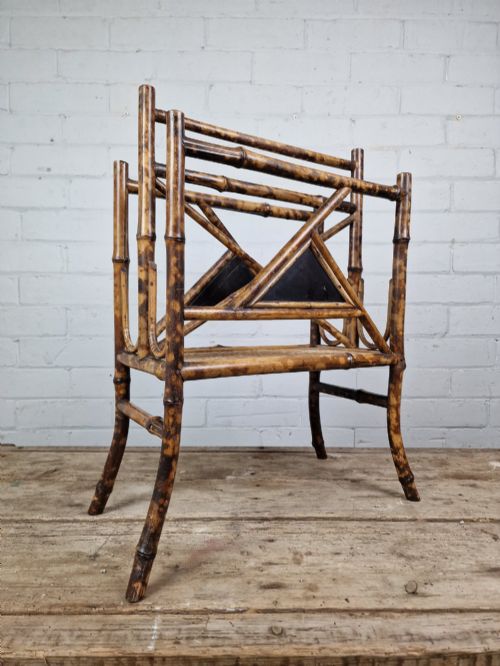
- A low, compartmentalised stand designed for holding sheet music, books, or magazines. In bamboo pieces, these feature open cane dividers and lower tiers.
- Bijouterie table
- A glass-topped display table intended for small treasured objects and curiosities. These tables often incorporate lacquered bamboo frames and hinged lids.
Japanned Bamboo Furniture: Frequently Asked Questions
How were these pieces used originally?
Victorian households utilised these lightweight pieces across parlours, drawing rooms, and hallways as functional decorative accents. Sewing tables and writing desks provided practical utility for daily tasks.
Other forms like hall stands held outdoor garments, while Canterbury racks organised reading materials and music sheets near seating areas.
How do I live with bamboo furniture?
Living with these pieces involves placing them away from direct heat sources and extreme moisture fluctuations to protect the bamboo and lacquer. Gentle dusting maintains the hand-painted surfaces without risking the finish.
Their lightweight construction allows for easy repositioning within modern interiors, complementing both traditional and eclectic decorative schemes.
How do I identify Victorian periods?
Victorian identification relies upon stylistic markers such as aesthetic movement motifs, tiger bamboo framing, and specific cabinet forms like pagoda-topped escritoires. Dates span from the 1870s through to the early 20th century.
Materials including ebonised wood accents, original brass hardware, and hand-painted lacquer panels further anchor pieces within this historical window.