

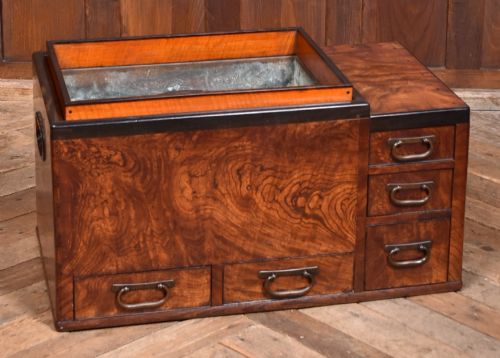


Japanese Wooden Box
These japanese wooden box pieces are traditional storage items and decorative containers offering versatile utility and rich historical character for the home.
Japanese Wooden Box
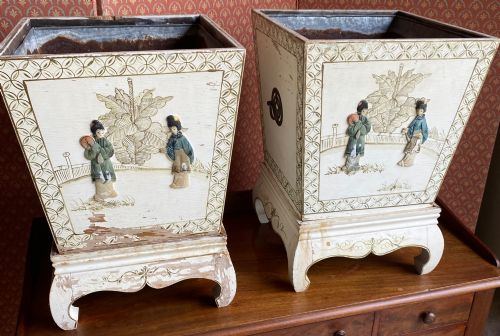
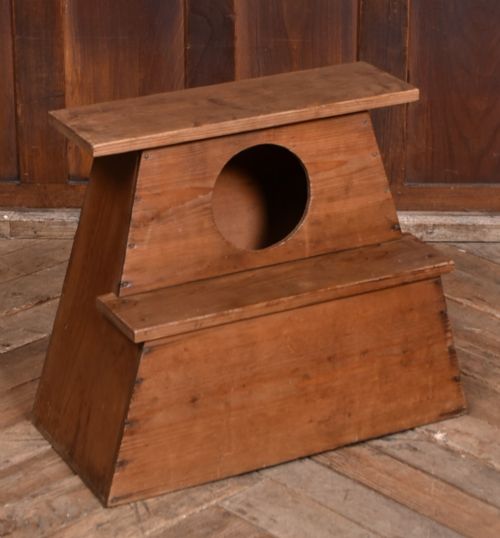
A japanese wooden box encompasses a variety of historical forms ranging from small desktop table cabinets and money boxes to larger tansu chests and storage containers. These pieces reflect traditional Japanese craftsmanship and decorative styles spanning the Edo and Meiji periods.
The selection also includes items designed to house porcelain plates alongside specific storage cabinets made from kiri wood. Each piece demonstrates the enduring practicality and aesthetic appeal of nineteenth-century Japanese craftsmanship.
How they were made
Makers utilised traditional timbers such as kiri wood alongside structural metals including iron and brass for hardware and fittings. These materials provided the necessary durability for daily use while maintaining a refined appearance.
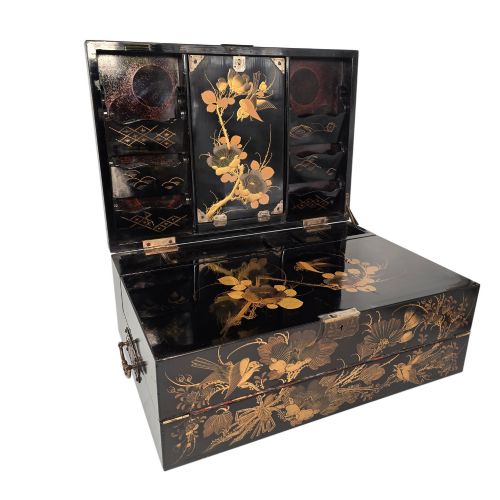
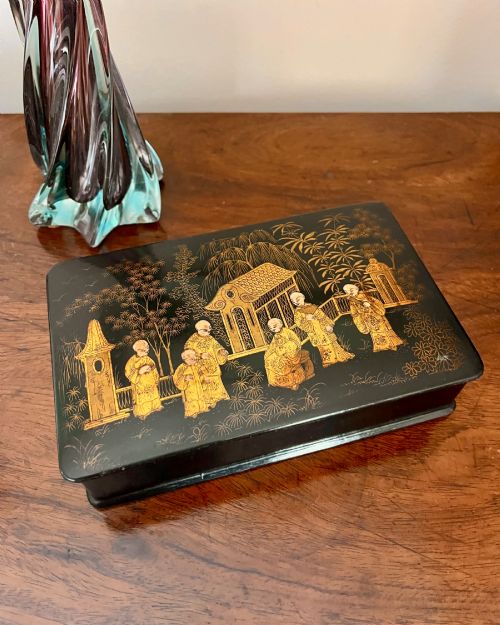
Surface decoration frequently involved black lacquer and detailed paintwork, sometimes incorporating gilt or chinoiserie motifs. The combination of sturdy wood construction and careful surface finishing defines the physical character of these pieces.
Japanese Wooden Box Retail Price Guide 2026
Typical asking prices for japanese wooden box among the pieces listed under this phrase on Sellingantiques today, from the lower quarter to the upper quarter. They describe what is for sale here now, not the wider market.
What varies in quality
Quality in a japanese wooden box depends upon the precision of the joinery and the condition of any applied lacquer or painted surfaces. Finer pieces demonstrate careful attention to structural details and hardware integration.
The sophistication of the decorative work, whether through subtle gilt highlights or figural carvings like the Daruma tobacco box, distinguishes standard utility items from more artistic examples.
The Japanese Wooden Box Glossary
- Tansu
- A traditional Japanese mobile chest or storage cabinet used domestically for organising clothing or valuables. These pieces often feature robust iron or brass hardware.
- Zenibako
- A traditional Japanese merchant money box fitted with secure compartments for coin storage. These wooden containers represent period commercial life.
- Hibachi
- A traditional Japanese heating device or small brazier, often constructed with wooden elements and metal linings. They served practical heating functions in domestic settings.
- Kiri wood
- A lightweight, durable timber derived from the paulownia tree, frequently utilised for traditional Japanese storage cabinets and boxes due to its warp-resistant properties.
- Imari porcelain
- A distinctive style of Japanese export porcelain featuring blue, iron red, and gilt decoration, often associated with storage boxes and presentation sets.
Japanese Wooden Box: Frequently Asked Questions
What were japanese wooden box items used for?
These items served various daily functions ranging from securing money and storing personal valuables to housing tobacco or porcelain tableware. Their practical designs reflected the organisational needs of Japanese households and merchants during the nineteenth century.
Many boxes were specifically tailored for transport or domestic storage, utilising durable woods and secure metal fittings to protect their contents over time.
How do I live with a japanese wooden box?
Integrate these pieces into modern interiors as functional storage containers on tabletops, sideboards, or open shelving. Their rich black lacquer and natural wood finishes complement both traditional and contemporary room schemes.
Position them away from direct sunlight and excessive moisture fluctuations to preserve the integrity of the wood, lacquer, and metal hardware.
How can I tell periods apart for these boxes?
Distinguishing periods relies on observing construction methods, decorative styles, and material combinations typical of the nineteenth century and the Edo or Meiji eras. Pieces from this time often display characteristic hand-applied lacquer and traditional metal mountings.
Stylistic markers such as traditional Japanese motifs or specific cabinet forms provide further clues regarding the era of manufacture.
What materials are common in these boxes?
Common materials include various woods such as kiri wood, paired with surface finishes like black lacquer, paint, and gilt. Metal components in iron and brass frequently appear as structural reinforcements and decorative hardware.
Some examples also incorporate associated elements like porcelain plates or figural pipe holders within their overall design.