






Japanese Style Table
These pieces sold as a japanese style table bring distinct Eastern motifs and construction into Western interiors.
Japanese Style Table
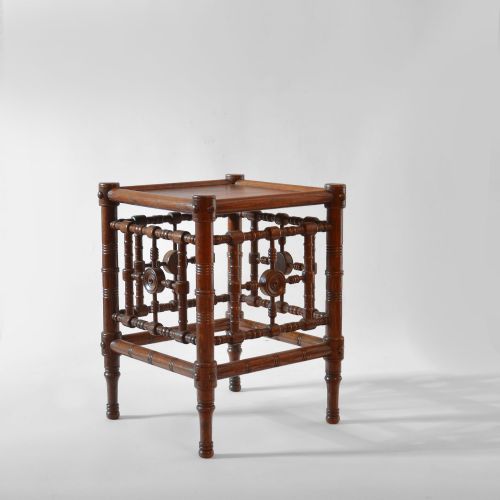
When you search for a japanese style table, you encounter a variety of forms adapted from Eastern aesthetics for Western homes, most commonly occasional tables, side tables, and nests of tables. The selection ranges from nineteenth-century bamboo and ebonised pieces to later lacquered coffee tables.
Makers drew heavily on diverse design vocabularies, blending British craftsmanship with Eastern visual elements across the nineteenth and twentieth centuries. Side tables and occasional tables dominate the current selection, often incorporating tiers or folding frames.
The objects span multiple decades from the late Victorian era through the interwar period, reflecting shifting tastes towards exoticism and simplified geometries. Bamboo, hardwood, and lacquer provide the physical foundation for these varied decorative schemes.
Materials and construction methods
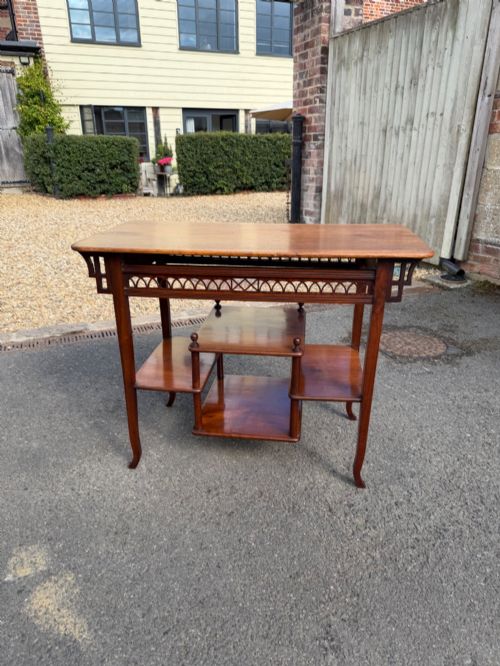
Wood forms the primary structural base, utilising walnut, mahogany, and ebonised hardwoods alongside flexible bamboo for lighter frames. Joinery methods support intricate tiers, display shelves, and occasional tables designed for versatility in domestic spaces.
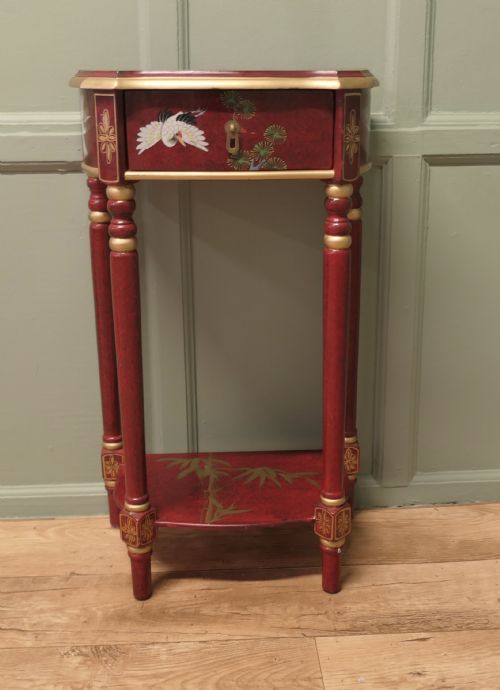
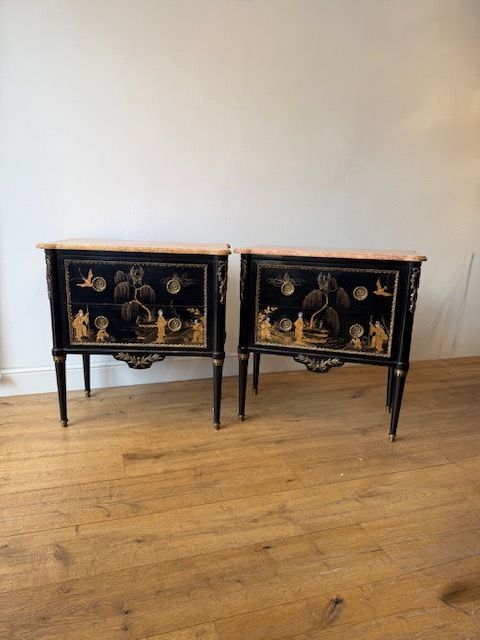
Surface decoration relies heavily on lacquer work, including red and black finishes paired with raised relief details or painted motifs. Bronze, brass, and champlevé enamel appear alongside mother of pearl inlays to add metallic and tonal contrast.
Japanese Style Table Retail Price Guide 2026
Typical asking prices for japanese style table among the pieces listed under this phrase on Sellingantiques today, from the lower quarter to the upper quarter. They describe what is for sale here now, not the wider market.
Listings feature items spanning from the late nineteenth century through the 1930s, incorporating materials such as bronze, bamboo, and lacquer.
Evaluating craftsmanship and design
Distinction across the range rests on the precision of the surface decoration and the integrity of the underlying structure. Finely applied lacquer with crisp raised relief indicates a higher tier of production compared to simpler painted finishes.
The attribution of design to notable figures or firms elevates specific examples, especially where ebonised woodwork or bamboo framing shows considered proportion and detail. Material selection, such as solid hardwoods versus secondary timbers, further separates the standard production from finer work.
E W Godwin·Gabriel Viardot·Liberty and Co
The Japanese Style Table Glossary
- Japonisme
- The influence of Japanese art on Western design, prominent in late nineteenth-century decorative arts. This term describes objects that incorporate Eastern motifs and spatial arrangements.
- Chinoiserie
- The European imitation and interpretation of Chinese and East Asian artistic traditions. It frequently manifests in lacquered surfaces and decorated furniture.
- Ebonised
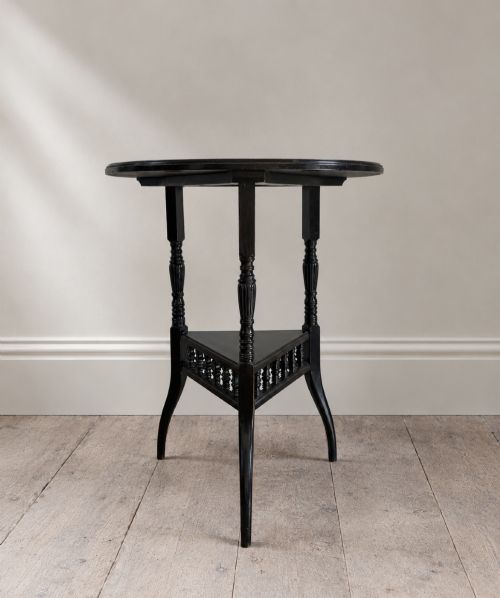
- Wood finished to resemble ebony, commonly achieved through dark staining or painting. This treatment defined many Aesthetic Movement and Anglo-Japanese interiors.
- Champlevé
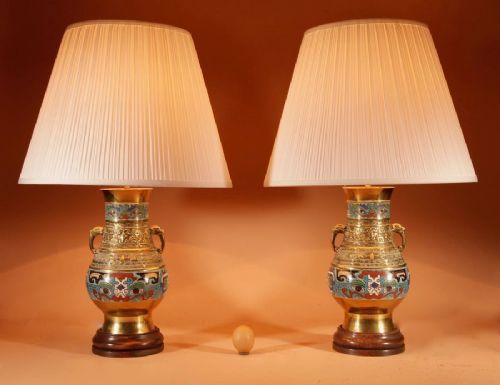
- An enamelling technique where troughs are carved into metal and filled with vitreous enamel before firing. It appears frequently on decorative metalwork and table lamp bases.
- Etagere
- A piece of furniture consisting of a set of open shelves for displaying small objects. These often appear in tiered configurations alongside bamboo or lacquered frames.
Japanese Style Table: Frequently Asked Questions
What defines a japanese style table?
These tables combine Western furniture forms with Eastern decorative motifs, utilising materials such as bamboo, lacquer, and ebonised wood.
They reflect historical design movements like the Aesthetic Movement and Japonisme, spanning the late nineteenth and early twentieth centuries.
How were these tables used originally?
Occasional tables and nests provided movable surfaces for tea, reading materials, or ornamental display in period drawing rooms.
Larger centre tables and consoles served as focal points for decorative objects, lamps, or floral arrangements.
How do I care for lacquered surfaces?
Keep lacquered wood away from direct sunlight and excessive heat fluctuations to prevent cracking or fading over time.
Dust gently with a soft, dry cloth and avoid chemical polishes or abrasive cleaners that might damage the finish.
How can I tell the period?
Examine the timber construction, joinery techniques, and surface materials to help determine the age of the piece.
Earlier nineteenth-century examples often feature ebonised hardwoods and bamboo, while 1920s and 1930s pieces frequently showcase applied lacquer and relief work.