




Japanese Metal Incense Vessel
These Japanese metal incense vessels are enduring works of artistry, offering a glimpse into centuries of refined metalwork.
Japanese Metal Incense Vessel
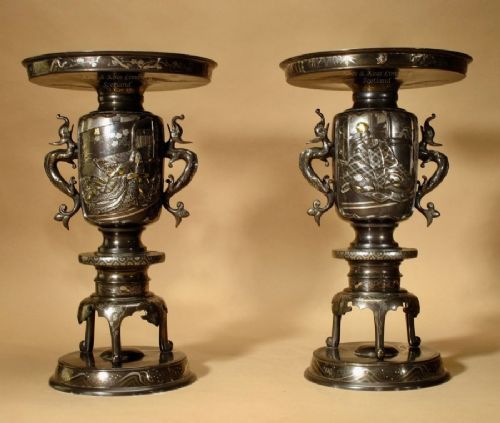
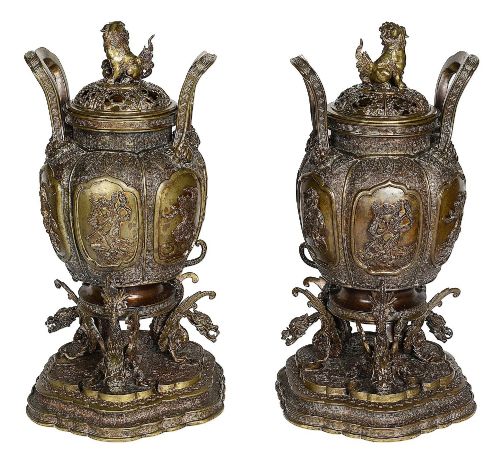
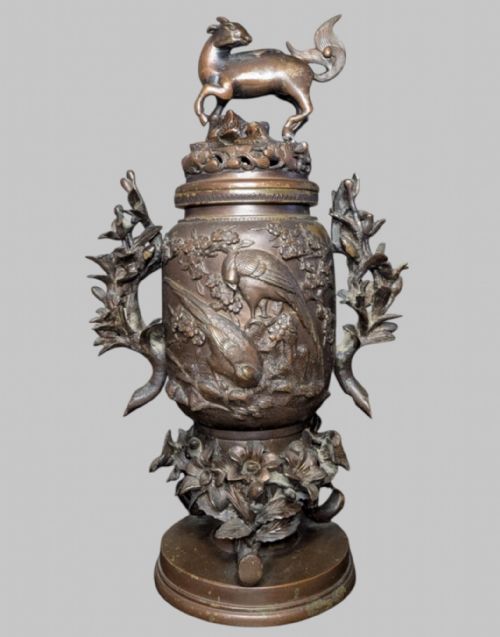
A japanese metal incense vessel embodies traditional craftsmanship from periods such as the Edo and Meiji eras. These items serve both decorative and functional purposes, often taking the form of a koro or censer.
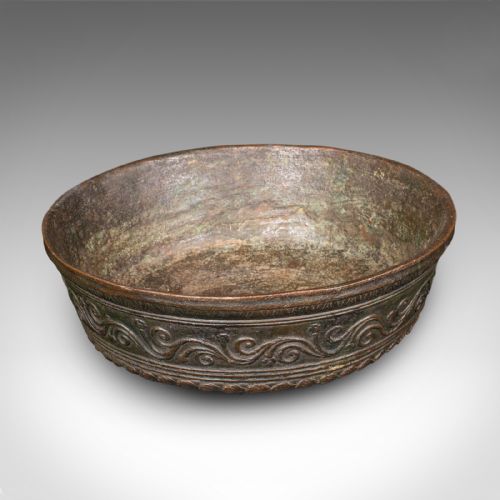
Buyers will encounter various forms on this page, including lidded urns, hanging boat koros, and archaic bowls. Most examples date from the nineteenth century, showcasing distinctive Asian and Oriental design aesthetics.
How they were made
Makers utilised bronze as the primary metal substrate for these vessels, often shaping them into substantial burners and jardinières. This durable material supported complex surface manipulation and sustained high temperatures.
Artisans applied gold inlay, silver inlay, and cloisonne enamel to embellish the bronze surfaces with patterns and colour. Additional elements such as wood, cord, and gilt bronze appear in specific designs.
Listings feature bronze as the primary material, accompanied by gold inlay, silver inlay, and cloisonne enamel across multiple centuries.
What varies in quality
The standard of metalwork distinguishes superior examples from simpler ones, particularly in the precision of the bronze casting. Elaborate surface treatments like fine gold and silver inlay require exceptional skill.
The Japanese Metal Incense Vessel Glossary
- Koro
- A traditional Japanese incense burner, often featuring a lid and three legs. These vessels hold aromatic materials during ceremonies or for home fragrance.
- Cloisonne
- An enamelling technique where metal wire creates cells on a bronze base, which are then filled with coloured paste and fired. This method produces vibrant decorative patterns.
- Meiji Period
- The historical Japanese era spanning from eighteen sixty-eight to nineteen twelve, known for opening trade and prolific metal production.
- Edo Period
- The period in Japanese history preceding the Meiji era, noted for distinct archaic bowl designs and classical craftsmanship.
- Jardiniere
- An ornamental pot or vessel designed to hold plants or flowers, sometimes adapted from metal incense containers.
Japanese Metal Incense Vessel: Frequently Asked Questions
How do I date a bronze vessel?
Dating relies on stylistic markers associated with periods such as the Edo or Meiji eras, along with manufacturing techniques.
Evidence in the design, such as archaic bowl forms or specific inlay materials, helps establish the era of origin.
Were these vessels used daily?
Many incense vessels served practical purposes in traditional Japanese settings for burning aromatic woods or resins.
Over time, some pieces transitioned into purely decorative objects displayed in interiors.
What materials are common in these pieces?
Bronze forms the structural foundation for the majority of these Japanese incense burners and decorative bowls.
Artisans frequently added gold inlay, silver inlay, and cloisonne enamel to enrich the visual texture.