



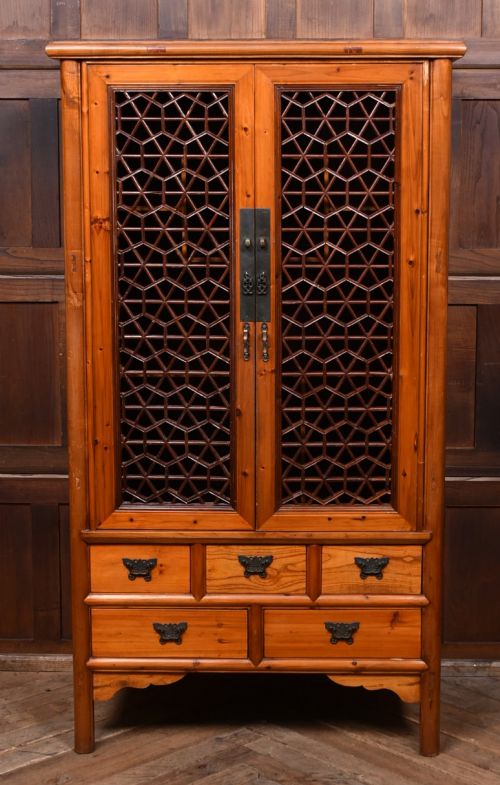


Japanese Meiji Cabinet
A Japanese meiji cabinet brings intricate woodwork and traditional storage into a room, offering both practical utility and distinct period artistry.
Japanese Meiji Cabinet
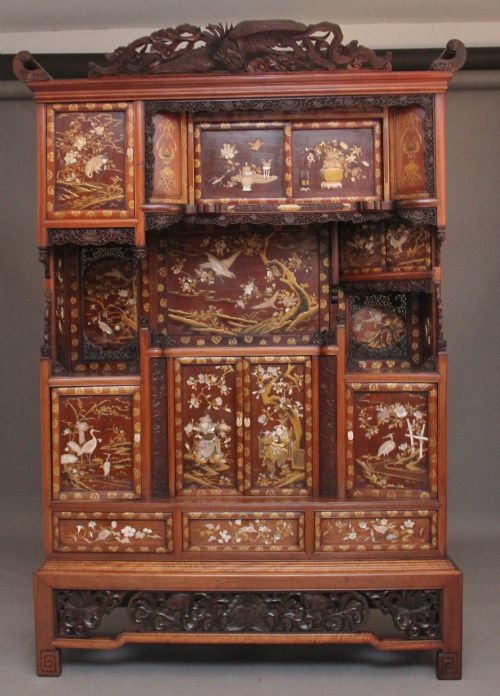
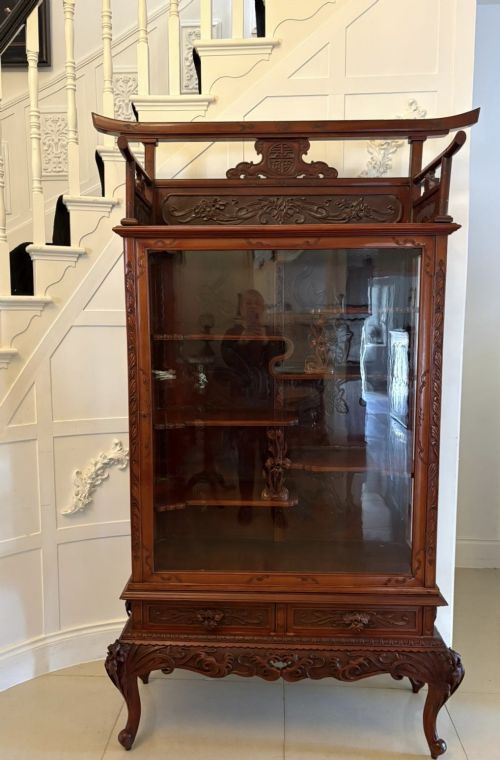
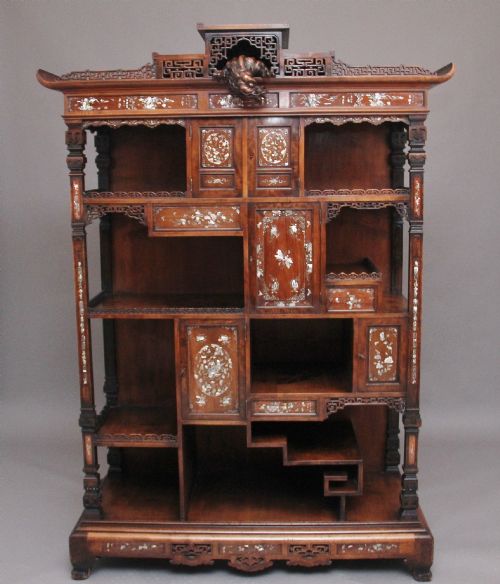
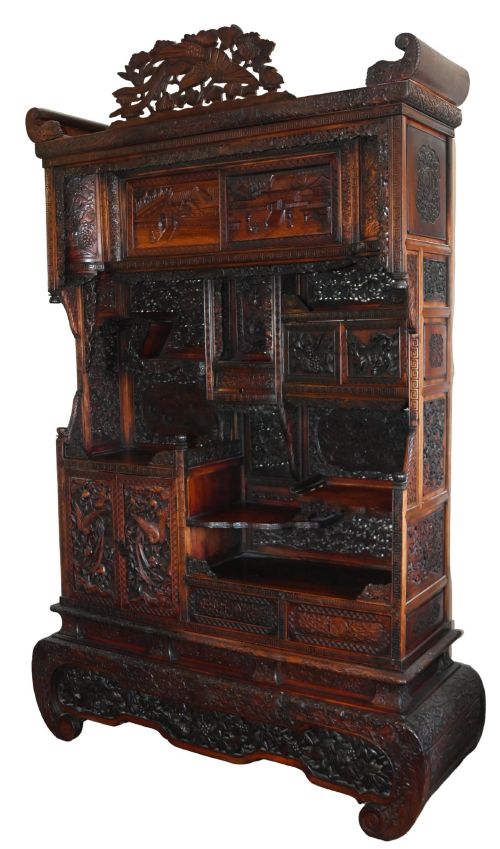
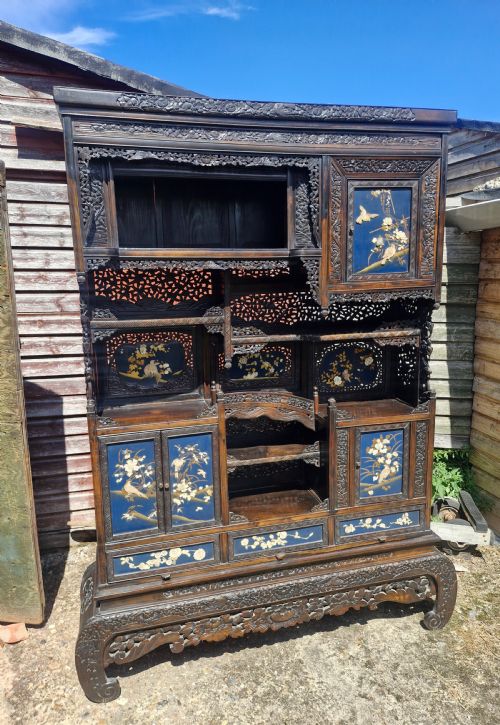
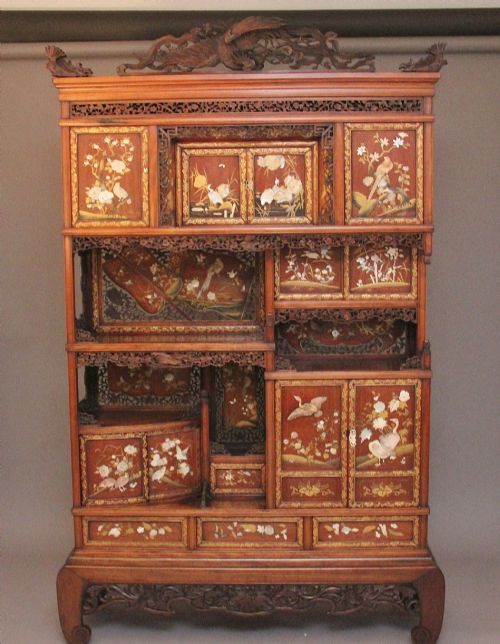
When you search for a japanese meiji cabinet, you encounter a range of storage forms originating from nineteenth century Japan, including elaborate shodana display units and functional tansu chests. These items reflect the craftsmanship of the Meiji period through varied configurations of shelves, drawers, and cupboards designed for display or storage.
The pieces most frequently met on this page include large shodana display cabinets alongside robust merchant and kitchen tansu chests in hardwood or lacquer. Such furniture demonstrates the traditional joinery and organisational methods of the era, spanning decades from the mid nineteenth century into the early twentieth century.
How they were made
Maker construction relies heavily on native timbers such as hardwood, cedar, and keyaki, assembled into sturdy frames for tansu chests and display cabinets. Woodwork often incorporates traditional joinery methods that avoid metal nails, securing panels and structural joints through precise fitting.
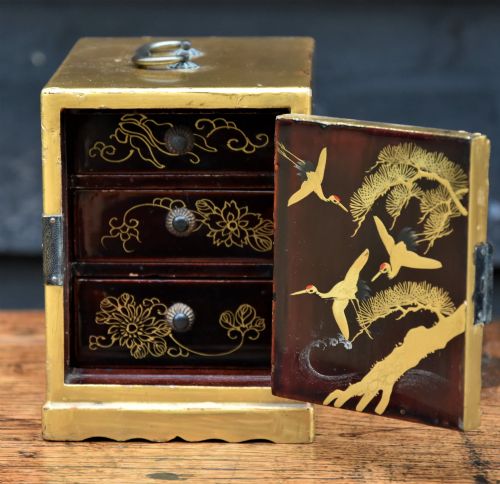
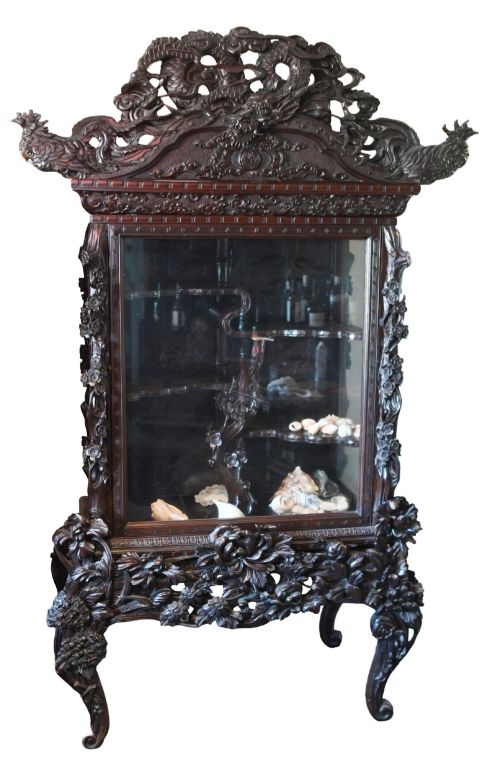
Surfaces receive decorative treatment through lacquer work, gold leaf application, or intricate hand carving. Hardware components utilise brass or iron for hinges, plates, and drawer pulls, adding structural reinforcement alongside visual contrast.
Japanese Meiji Cabinet Retail Price Guide 2026
Typical asking prices for japanese meiji cabinet among the pieces listed under this phrase on Sellingantiques today, from the lower quarter to the upper quarter. They describe what is for sale here now, not the wider market.
Certain tansu chests were built with secret compartments disguised behind sliding panels to conceal documents.
What varies in quality
Execution of hand carving and the complexity of shelving layouts distinguish higher grade shodana cabinets from simpler storage cupboards. The depth of relief work and precision in assembling compartments reveal the hand of skilled makers.
Condition of surface finishes, including the preservation of lacquer and gold leaf, marks the distinction between well maintained examples and heavily worn pieces. The choice of primary timber, such as dense hardwood or keyaki versus basic cedar, also dictates the calibre of the construction.
Chosei Kyoto·Shuzan for Yasuda
The Japanese Meiji Cabinet Glossary
- Shodana
- A traditional Japanese display cabinet featuring asymmetrical shelving, sliding doors, and small cupboards. These pieces were utilised for showcasing ceramics and decorative objects.
- Tansu
- A traditional Japanese mobile chest of drawers or storage cabinet built for domestic use, trade, or travel. They often feature robust iron or brass hardware for security and lifting.
- Kodansu
- A small portable cabinet or jewellery box with internal drawers and compartments. Fine examples often display intricate lacquer and gilt decoration.
- Keyaki
- Japanese zelkova wood, a dense and durable hardwood utilised for high quality tansu chests and furniture framing. It provides a pronounced grain pattern.
- Mizuya
- A traditional Japanese kitchen tansu or storage cupboard designed for household provisions and utensils. They represent the domestic storage traditions of the period.
Japanese Meiji Cabinet: Frequently Asked Questions
What is a shodana cabinet?
A shodana is a traditional Japanese display cabinet characterised by asymmetrical shelving, sliding panels, and small cupboards.
These pieces were constructed during the nineteenth and early twentieth centuries to exhibit decorative items and ceramics within domestic interiors.
How were tansu chests used?
Tansu chests served as mobile storage furniture for clothing, documents, and household goods across various trades and domestic settings.
Built with sturdy iron or brass hardware, they were designed for practicality and frequent relocation.
What materials are common?
Construction relies predominantly on timbers such as hardwood, cedar, and keyaki, often finished with lacquer or gold leaf.
Metal mounts in iron or brass provide structural reinforcement and functional handles.
How do I identify a Meiji piece?
Identification rests on stylistic markers including traditional Japanese carving motifs, nineteenth century joinery techniques, and specific cabinet forms like shodana and tansu.
Dates typically align with the late nineteenth and early twentieth centuries.