




Japanese Koro Censer
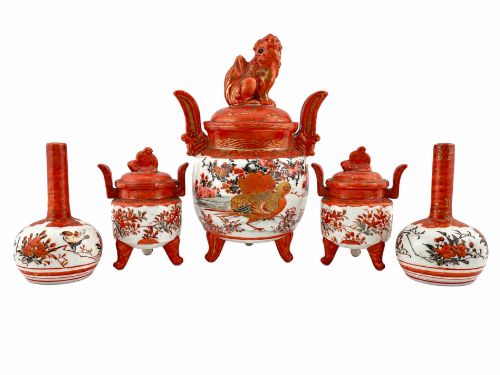
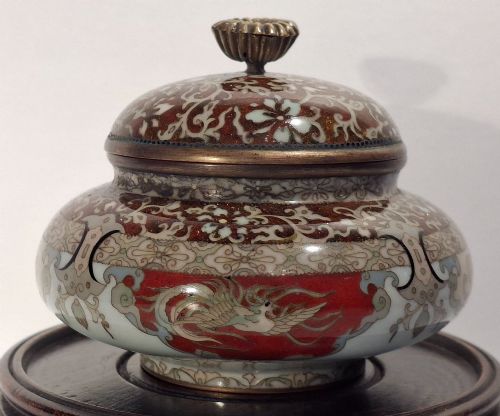
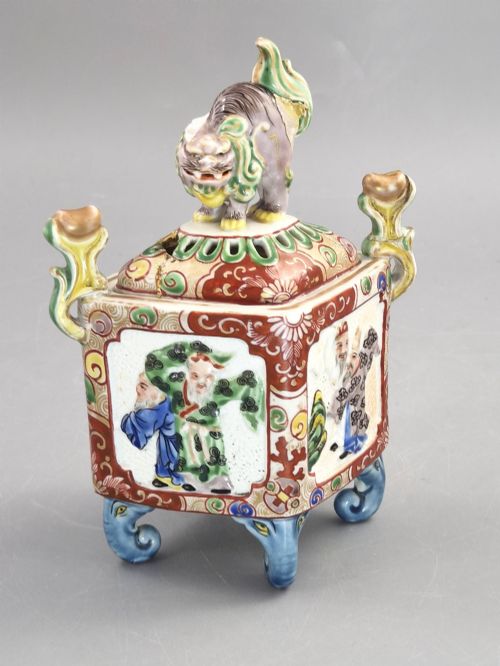
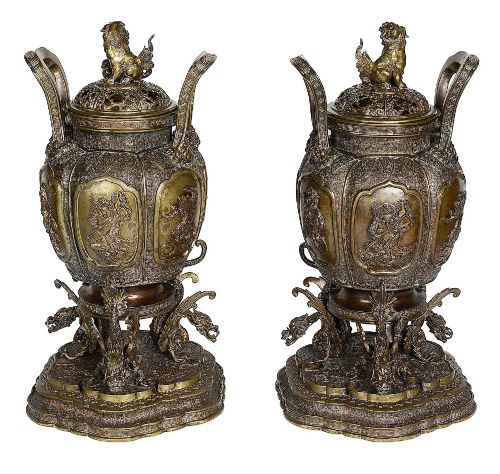
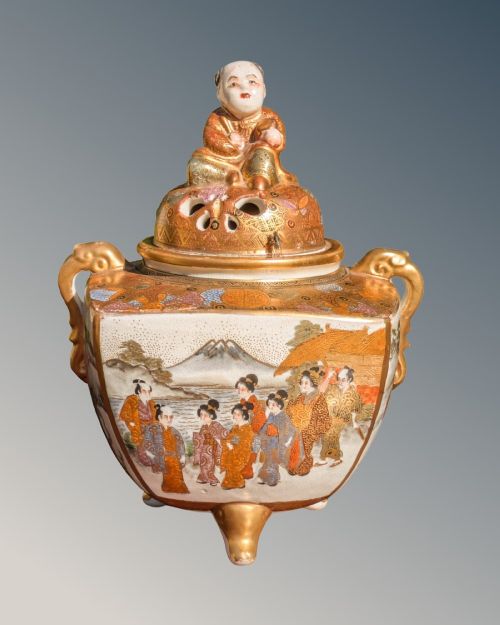
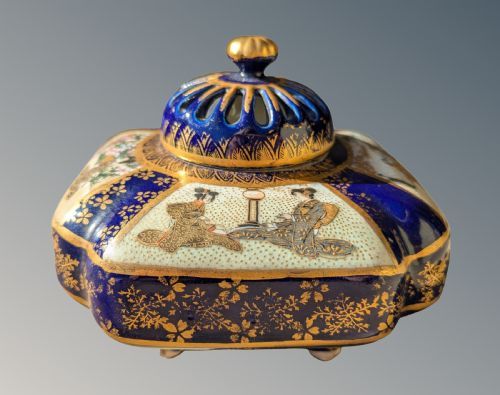
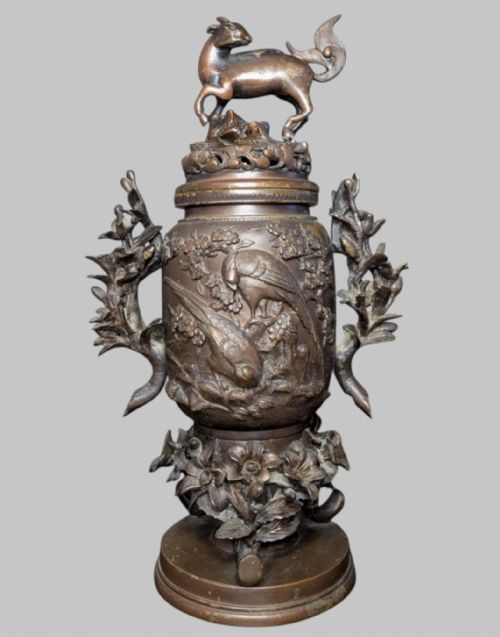
These japanese koro censer examples are lidded vessels designed to burn incense, bringing sculptural form and traditional craft to a room.
Japanese Koro Censer
When you search for a japanese koro censer, you encounter lidded vessels designed to burn incense. The selection spans the Edo, Meiji, and Taisho periods, alongside Edwardian examples.
Makers and regional potteries such as Kinkozan, Kizan, Kotobuki-do, and Shizan appear frequently across the Meiji period entries. These vessels demonstrate the varied output of Japanese kilns and metalworkers intended for both domestic use and export.
What varies in quality
Quality depends on the crispness of the casting in bronze examples and the fineness of the hand-painted detail on Satsuma and Kutani ceramics. Sculptural elements such as lion finials and elephant head feet show distinct levels of artisan skill.
Signatures from recognised workshops like Kinkozan or Kotobuki-do elevate a piece, as do complex techniques involving reticulated porcelain or combined bronze and cloisonne enamel.
Japanese Koro Censer Retail Price Guide 2026
Typical asking prices for japanese koro censer among the pieces listed under this phrase on Sellingantiques today, from the lower quarter to the upper quarter. They describe what is for sale here now, not the wider market.
Materials span cloisonne enamel, gold leaf, and silver combined with bronze.
Kinkozan·Kizan·Kotobuki-do·Shizan
The Japanese Koro Censer Glossary
- Koro
- An incense burner. These lidded vessels form the primary focus of this selection.
- Satsuma
- A type of Japanese earthenware featuring a crackle-glaze and polychrome enamel painting, often highlighted with gold.
- Meiji Period
- The era in Japanese history spanning from 1868 to 1912. Many bronze and ceramic examples date from this time.
- Finial
- A decorative ornament fixed to the top of a censer lid, frequently taking the form of a lion or other animal.
- Reticulated
- Openwork or pierced ceramic decoration. This technique allows smoke to escape through the patterned walls of the vessel.
Japanese Koro Censer: Frequently Asked Questions
How do I identify a Meiji period piece?
Meiji period pieces often display signature marks from specific artists or potteries active between 1868 and 1912. Stylistic clues include intricate bronze casting or heavily gilded Satsuma earthenware.
Comparison with dated archive examples helps confirm the production window of late 19th-century metalwork and ceramics.
Are all these censers made of bronze?
Materials vary significantly across the available inventory. While many examples are cast in bronze or gilt bronze, others utilise porcelain or earthenware.
Ceramic variants include Kutani, Hirado, and Satsuma wares, sometimes enhanced with cloisonne enamel or gold leaf.
How should I clean my incense burner?
Dust bronze and ceramic surfaces gently with a soft dry cloth. Avoid chemical polishes that can strip the original patina or damage delicate gold leaf and enamel details.
If the interior holds residual ash from past use, remove it carefully without introducing moisture to vulnerable joints or painted areas.