



Japanese Inlaid Metalwork
Japanese inlaid metalwork combines meticulous metallurgy with striking decorative motifs, offering collectors sophisticated bronze, iron, and mixed-metal vessels and objects of enduring appeal.
Japanese Inlaid Metalwork
When you search for Japanese inlaid metalwork, you encounter a specialised selection of objects spanning the Edo, Meiji, and Taisho periods, alongside early twentieth-century examples.
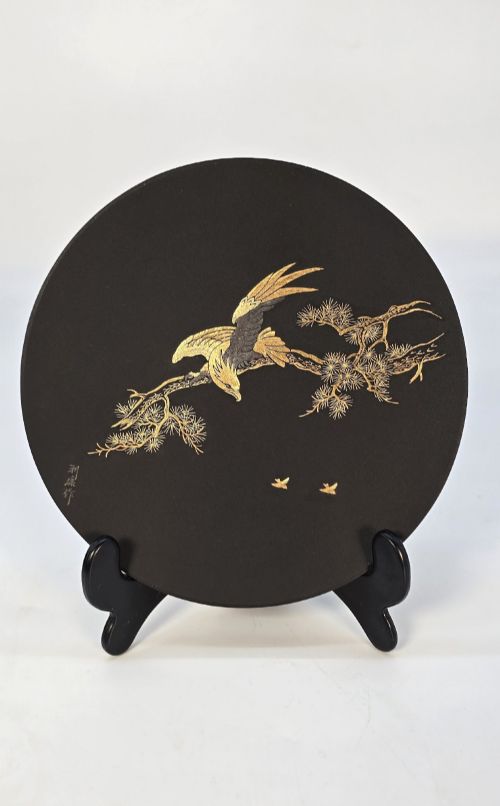
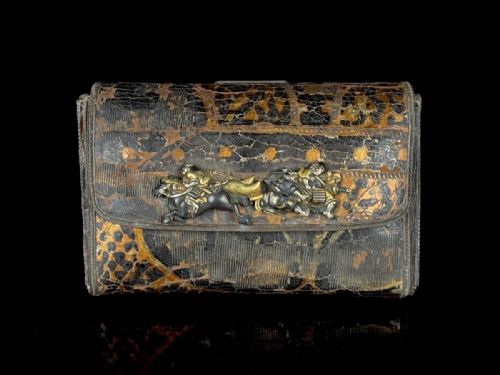
The most common forms on this page are bronze and mixed-metal vases, supplemented by decorative plaques, dishes, chargers, and smaller accessories such as tobacco pouches and spectacle cases.
These items originate primarily from distinct historical eras where metalworkers applied gold, silver, and copper inlays to iron, brass, and bronze substrates.
How They Were Made
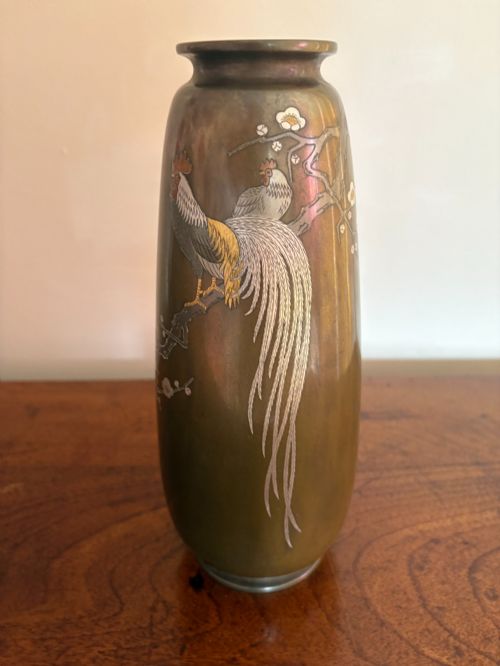
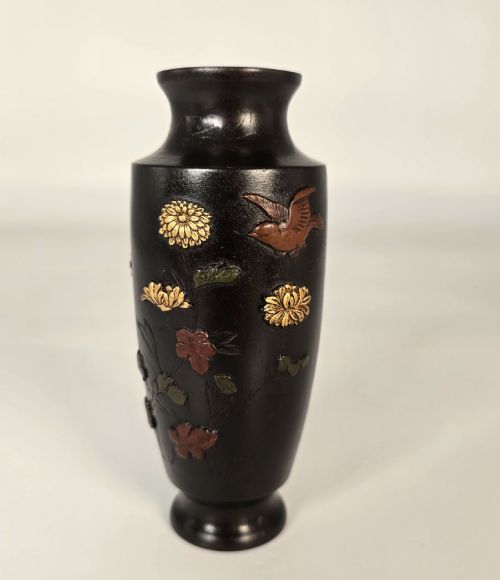
Artisans utilised base metals such as bronze, iron, brass, and copper, applying patination techniques to darken surfaces and create high contrast.
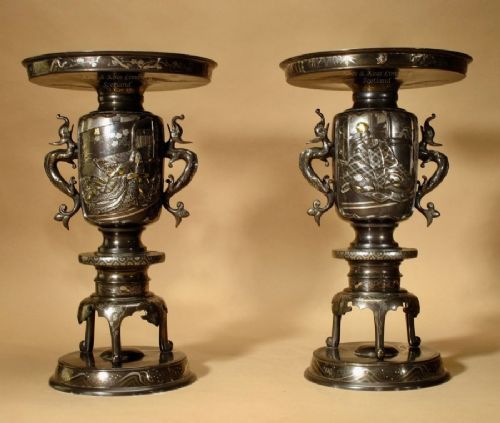
Makers hammered precious metals including gold and silver into incisions or onto textured surfaces, creating intricate mixed-metal pictorial designs.
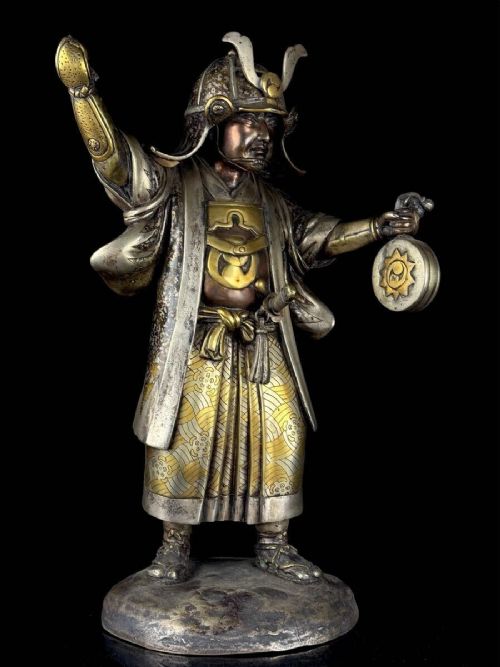
Specialised items like tsuba guards and okimono required precise casting, carving, and metal overlay methods developed over generations.
Japanese Inlaid Metalwork Retail Price Guide 2026
Typical asking prices for japanese inlaid metalwork among the pieces listed under this phrase on Sellingantiques today, from the lower quarter to the upper quarter. They describe what is for sale here now, not the wider market.
Even a spare spectacle case received master craftsmanship, turning everyday nineteenth-century eye protection into a golden aquatic landscape.
What Varies in Quality
The precision and complexity of the metal inlay separate standard production pieces from masterwork creations, with finer examples displaying seamless integration of gold, silver, and bronze elements.
Signatures by renowned makers or workshops elevate the standing of an object, reflecting superior artistic intent and advanced metallurgical skill.
The weight, casting quality of the primary bronze or iron body, and preservation of the original patination define the overall integrity of each piece.
KANASAWA·GENRYUSAI SEIYA·Unno Shomin
The Japanese Inlaid Metalwork Glossary
- Meiji Period
- The era from 1868 to 1912 characterised by rapid modernisation and the flourishing of decorative arts for export. Many vases and plaques originate from this distinct time.
- Okimono
- A standalone Japanese display sculpture designed for placement in an alcove or on a shelf. These carved or cast metal figures often feature detailed inlay work.
- Tsuba
- The guard at the end of the grip of a Japanese sword. These iron or bronze pieces frequently display intricate copper, gold, or silver inlays.
- Koro
- A traditional Japanese incense burner fitted with a lid. These vessels are typically cast in bronze or brass and decorated with mixed metals.
- Komai Style
- A distinct decorative approach associated with Kyoto metalworkers, known for dense and elaborate gold and silver nunome-zogan inlay on iron backgrounds.
Japanese Inlaid Metalwork: Frequently Asked Questions
What is Japanese inlaid metalwork?
These pieces comprise metal objects such as vases, plaques, and small cases created using bronze, iron, or brass enriched with gold, silver, and copper details.
Craftsmen across the Edo and Meiji periods utilised these techniques to depict natural scenes, figures, and abstract patterns.
How do I identify Meiji period metalwork?
Meiji period items typically date between 1868 and 1912, often exhibiting complex mixed-metal decoration and refined patinated surfaces.
Many examples from this era reflect the shift towards decorative arts intended for international display and appreciation.
What are tsuba guards used for?
A tsuba served originally as a hand guard on traditional Japanese swords, protecting the user's grip during combat.
Later examples function as collectible metal art objects, prized for their iron construction and delicate copper or gold inlays.
How should I display these metal objects?
Bronze vases, iron plaques, and small boxes suit stable display surfaces away from direct sunlight and moisture fluctuations.
Handling should remain minimal to preserve the delicate patination and precious metal inlays on the surface.