





Japanese Dragon Carving
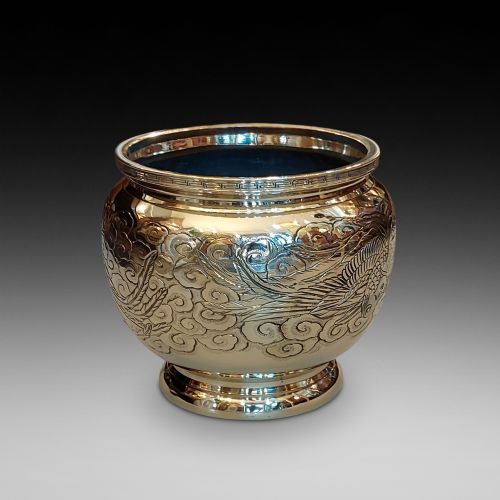
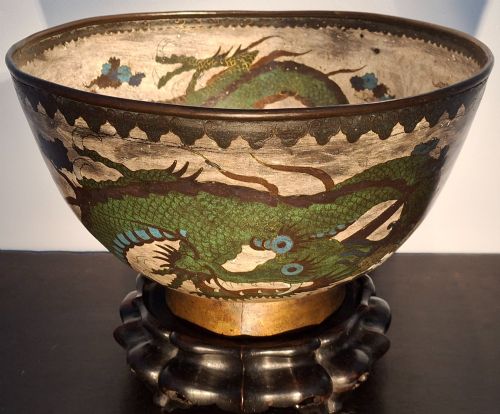
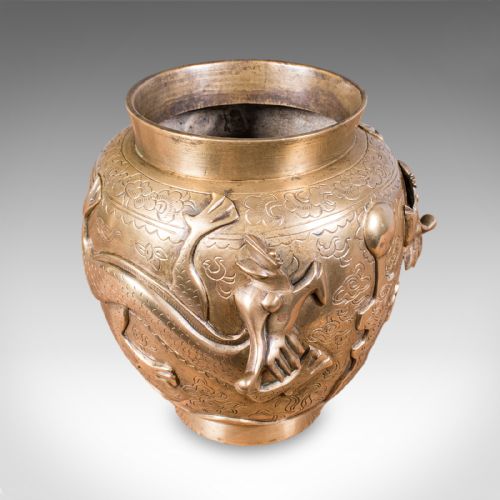
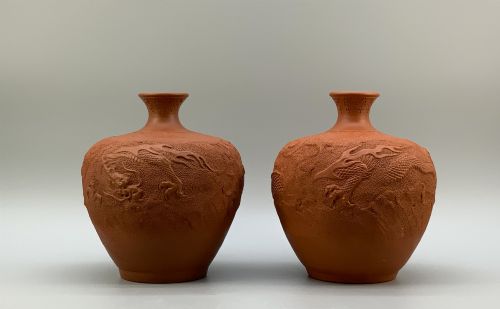
These japanese dragon carving works bring powerful mythical forms into nineteenth and early twentieth century rooms through bronze, hardwood, and red clay.
Japanese Dragon Carving
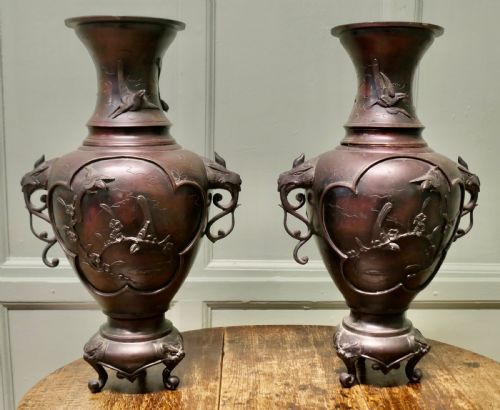
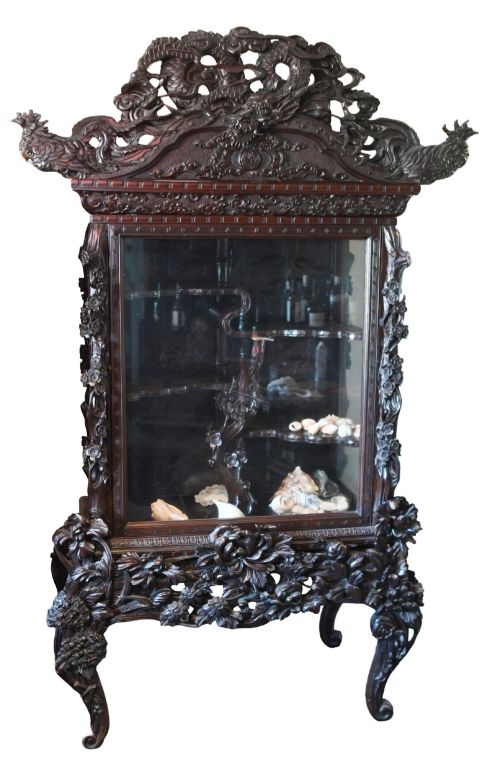
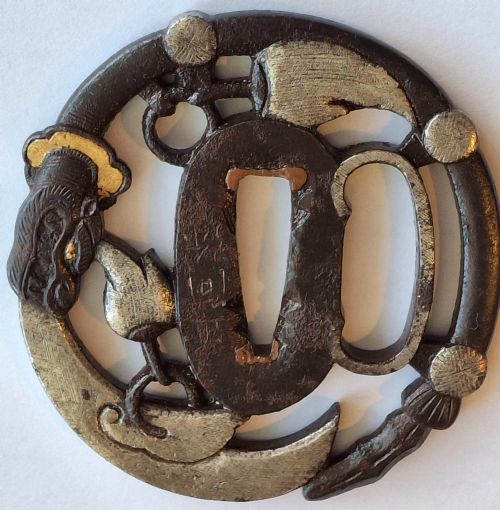
A japanese dragon carving brings together mythological serpent motifs and traditional craftsmanship, appearing frequently on Meiji period bronze vases, iron tsuba guards, and hardwood display cabinets. Buyers seeking these items encounter sculptural objects originating primarily from the nineteenth century alongside later Taisho period pieces.
The selections span functional household items and decorative display pieces, including table lamps, censers, dinner gongs, and intricate netsuke. Bronzes and carved hardwoods dominate the available forms, reflecting nineteenth and early twentieth century artistic output.
Meiji period metalwork and Edo period metal guards represent the core of these listings, often pairing dragon motifs with pearls or accompanying phoenix figures on red clay and bronze surfaces.
Distinctions in quality
The definition of the relief work and the crispness of the casting separate standard domestic items from superior sculptural examples. In bronzes and iron tsuba guards, depth and precision in rendering the dragon scales and claws indicate the hand of a skilled artisan.
Material selection and structural integrity define the hardwood furniture and cabinets, where joinery and the sharpness of surface carving determine the grade of the piece. Consistency in the patination and the integration of the dragon motif into the overall form govern visual success.
Japanese Dragon Carving Retail Price Guide 2026
Typical asking prices for japanese dragon carving among the pieces listed under this phrase on Sellingantiques today, from the lower quarter to the upper quarter. They describe what is for sale here now, not the wider market.
Gabriel Viardot·Liberty
The Japanese Dragon Carving Glossary
- Tsuba
- A sword guard placed at the base of the blade on a Japanese katana, frequently forged in iron or non-ferrous metals with high relief carvings.
- Meiji Period
- The era in Japanese history lasting from 1868 to 1912, characterised by extensive artistic production and international export of metalwork and ceramics.
- Shodana
- A traditional Japanese tiered display cabinet or shelving unit, often produced in carved hardwoods during the late nineteenth and early twentieth centuries.
- Censer
- A vessel designed for burning incense, commonly cast in bronze with pierced lids and dragon ornamentation during the Edo and Victorian periods.
Japanese Dragon Carving: Frequently Asked Questions
What periods do these pieces date from?
The objects span the Edo period through the Meiji and Taisho eras, with numerous examples originating in the nineteenth century.
Victorian and early twentieth century European adaptations also appear alongside authentic Japanese imports from those decades.
How were bronze vessels used?
Bronze vases and jardinières served as decorative display containers for floral arrangements in traditional interiors and export markets.
Censers functioned as practical incense burners in domestic spaces while incorporating intricate dragon iconography.
What is a tsuba guard?
A tsuba is the hand guard positioned between the grip and blade of a traditional Japanese sword.
These metal components were frequently embellished with high relief carvings depicting dragons, deities, and legendary figures.
How do I care for bronze and hardwood?
Bronze surfaces require occasional dusting with a soft cloth to preserve the patination without applying harsh chemical polishes.
Hardwoods benefit from stable indoor humidity and minimal moisture to protect the structural integrity of the timber.