



Japanese Decorative Plaque
A japanese decorative plaque brings intricate metalwork, enamel and porcelain into a room, offering a focal point grounded in decades of skilled craftsmanship.
Japanese Decorative Plaque
The physical form ranges from broad circular chargers spanning fifty centimetres to octagonal trays and patinated metal plaques. Common pictorial subjects include birds, dragons, koi, samurai and botanical motifs such as chrysanthemums and bamboo.
How they were made
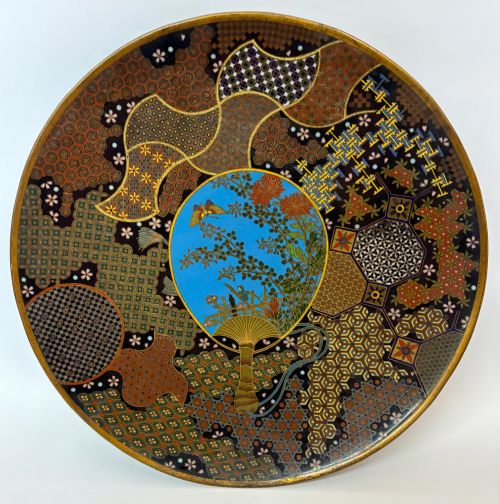
Makers utilised copper, brass and bronze as foundations for cloisonne enamel, applying fine wire ribbons to form cells that were filled with coloured enamel pastes and fired. Iron provided a robust substrate for patinated pieces decorated with gold and silver inlay.
Porcelain bodies appeared alongside specialised techniques like totai shippo, where enamel was applied directly over a woven bamboo or ceramic core. Lacquer and cinnabar lacquer surface treatments also created deep, tactile relief work.
Japanese Decorative Plaque Retail Price Guide 2026
Typical asking prices for japanese decorative plaque among the pieces listed under this phrase on Sellingantiques today, from the lower quarter to the upper quarter. They describe what is for sale here now, not the wider market.
Even fierce samurai and mythical dragons occasionally share space with tiny, startled frogs on nineteenth-century enamel chargers.
What varies in quality
The precision of the wirework and the smoothness of the polished enamel surface dictate the grade of a cloisonne piece. Finer items display microscopic cell boundaries and subtle colour gradations that mimic painterly shading.
Complexity of composition and depth of relief separate standard production from masterworks. Signed plaques and those incorporating mixed-metal inlay or intricate lacquer carving reflect superior workshop execution.
The Japanese Decorative Plaque Glossary
- Cloisonne
- A decorative technique where metal wires are soldered to a base to form compartments filled with enamel paste. These cells create the outlined design before firing and polishing.
- Charger
- A large decorative plate intended for display on a wall or stand rather than for table service. These substantial vessels often showcase the most elaborate artistry of a period.
- Totai shippo
- A specialised method of applying enamel over a core of woven bamboo or porcelain rather than solid metal. This technique produces textured surfaces that mimic organic materials.
- Imari
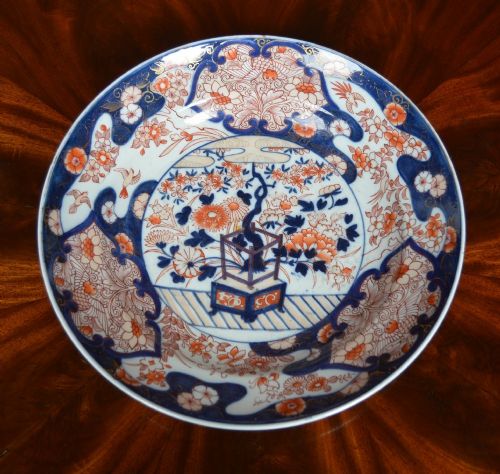
- A style of Japanese porcelain featuring distinctive cobalt blue underglaze and iron-red overglaze, often enriched with gilt details. These plates gained massive popularity in Europe during the nineteenth century.
- Komai style
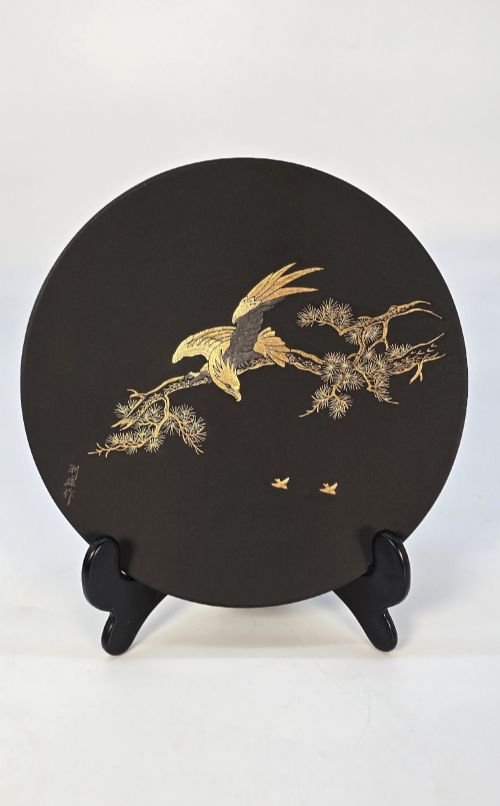
- Metalwork originating from Kyoto featuring iron plaques inlaid with fine gold and silver threads to depict intricate landscapes or figures. The surface is typically patinated to a dark finish to make the precious metals stand out.
Japanese Decorative Plaque: Frequently Asked Questions
How do I hang a heavy charger?
Large plates require robust, coated spring hangers that distribute weight evenly across the rim without causing friction damage. Ensure the wall fixing secures firmly into masonry or studwork rather than plaster alone.
Alternatively, sturdy tabletop display stands designed for heavy chargers offer a secure resting place on a sideboard or mantelpiece.
Were these made for export?
Many nineteenth-century pieces, particularly Meiji period cloisonne and Imari chargers, were produced specifically to satisfy Western demand following the reopening of trade routes. International exhibitions in Europe and America heavily influenced the scale and subjects.
Domestic Japanese interiors also utilised decorative plaques, though export items frequently emphasised dramatic scale and complex pictorial themes to appeal to foreign collectors.
How do I clean enamel safely?
Dust enamel surfaces gently with a soft, dry microfibre cloth to remove particulate matter. Avoid chemical cleaning agents, abrasive cloths or immersion in water, which can damage exposed metal wires or aged lacquer.
Patinated iron and bronze elements similarly benefit from dry maintenance to preserve the stable historical surface finish without stripping patination.
How do I date a Meiji piece?
The Meiji period spans from 1868 to 1912, a timeframe marked by rapid industrial and artistic shifts in Japanese manufacturing. Earlier examples often feature bolder wirework and earthy tones, while later pieces achieve extreme technical perfection with microscopic cells.
Signatures on the reverse or base frequently identify specific master workshops, helping narrow down the exact decade of creation within the era.