




Japanese Casting Figure
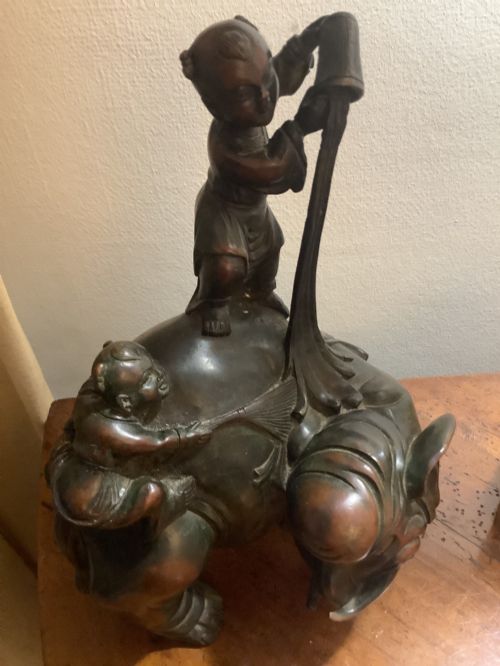
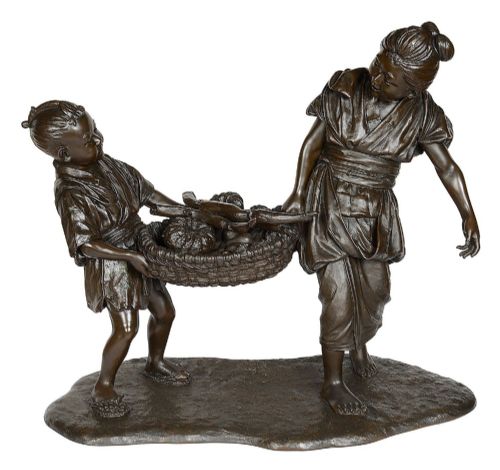
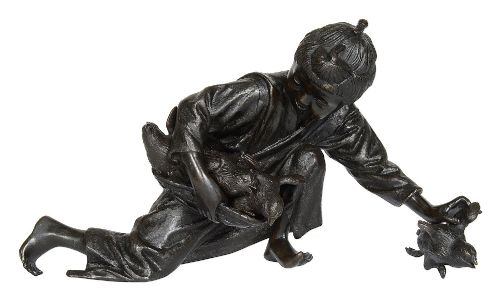
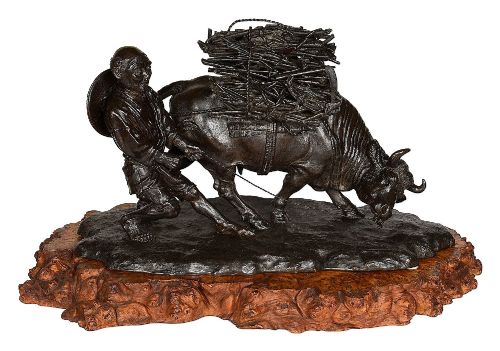
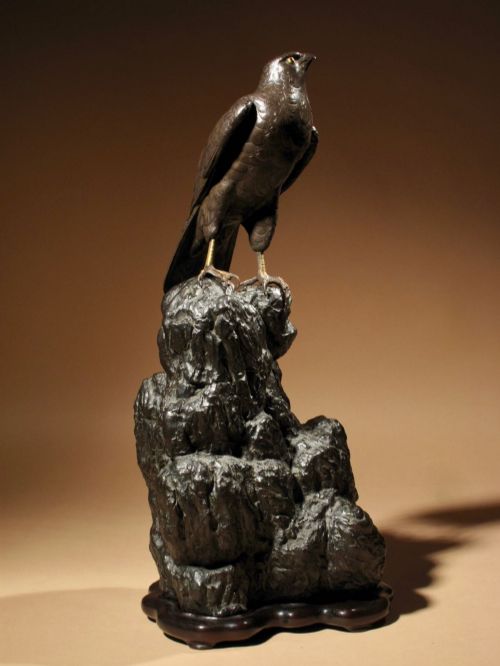
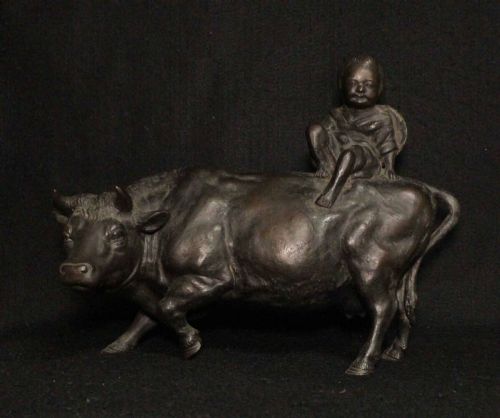
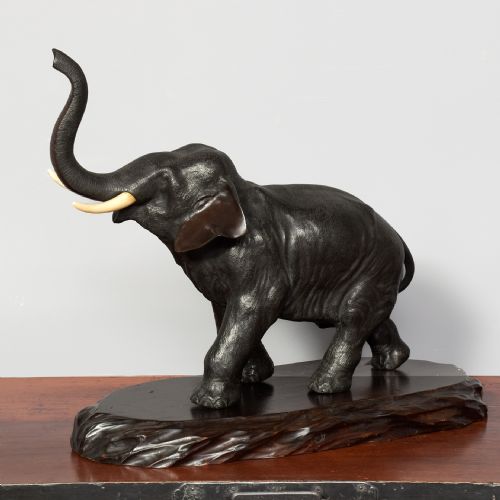
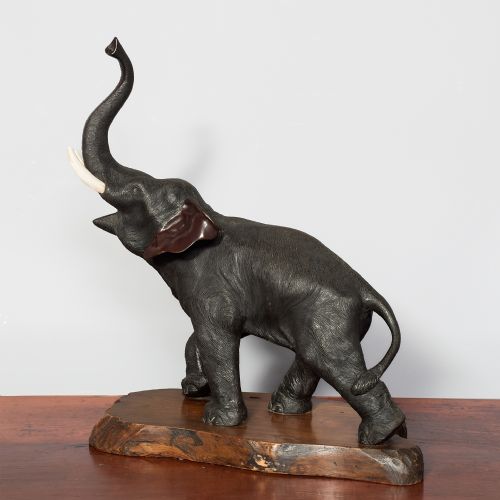
These japanese casting figure examples capture intricate subjects in patinated bronze, offering collectors remarkable subjects from the Meiji period.
Japanese Casting Figure
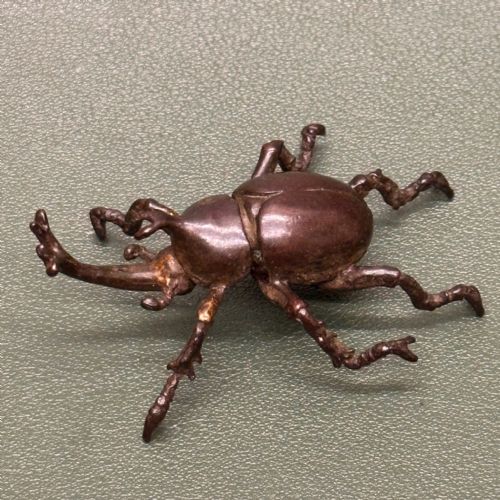
When searching for a japanese casting figure, collectors encounter sculptural works originating predominantly from the 19th century and the Meiji period. These pieces encompass detailed okimono, animals, humans, and mythological figures cast in metal.
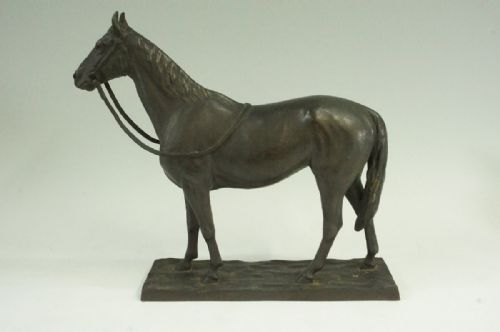
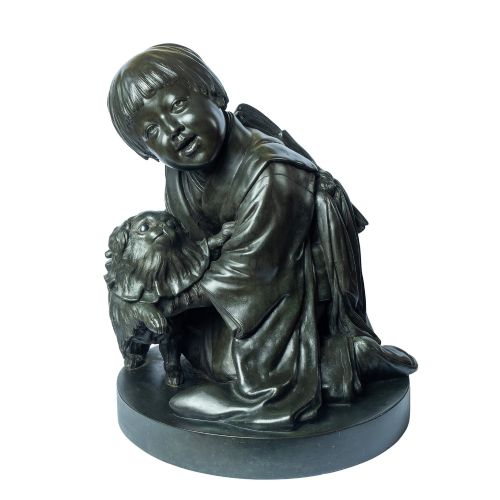
The objects most frequently met on this page range from compact desk-sized sculptures depicting animals like elephants and bears to larger garden dragon okimono and human figures in traditional attire.
Makers and foundries of the era utilised advanced casting techniques to produce dynamic forms, capturing everyday life, nature, and folklore with high realism.
What varies in quality
The division between standard works and exceptional pieces rests upon the crispness of the chasing and the sophistication of the patination. Master casters achieved subtle colour gradients and deep tones that elevate simple animal or human studies into compelling works of art.
Anatomy and movement dictate distinction at the upper end of the scale, where subjects like horses, elephants, and figures display convincing weight and tension. The integration of signed plaques or foundry marks further separates mass production from masterwork output.
Japanese Casting Figure Retail Price Guide 2026
Typical asking prices for japanese casting figure among the pieces listed under this phrase on Sellingantiques today, from the lower quarter to the upper quarter. They describe what is for sale here now, not the wider market.
Listings feature works predominantly from the 19th century and the Meiji period, executed in bronze, patinated bronze, and wood.
Masaaki·Kunio Itô·Kaniya Kuniharu·Sakai Kōzan
The Japanese Casting Figure Glossary
- Okimono
- A Japanese display object or decorative statue intended for placement in a tokonoma alcove or on a shelf. These freestanding sculptures often depict animals, figures, or mythological beings.
- Meiji Period
- The era in Japanese history spanning from 1868 to 1912, characterised by rapid modernization and the opening of trade with the West. Much of the exported metalwork dates from this transformative artistic period.
- Patinated Bronze
- Bronze that has been treated with chemical solutions to produce a specific surface colour and finish. This process protects the metal while highlighting sculptural contours.
- Japonisme
- A late 19th-century artistic movement in Europe and America influenced by Japanese art and aesthetics. It shaped Western appreciation for Eastern casting techniques and subjects.
Japanese Casting Figure: Frequently Asked Questions
What is an okimono?
An okimono is a traditional Japanese standalone decorative sculpture designed for display inside a home.
Unlike religious statues or utilitarian objects, these pieces were created purely for aesthetic appreciation and contemplation.
How do I date a bronze figure?
Dating relies on stylistic markers, foundry signatures, and the historical context of the Meiji period.
Works carrying specific studio names or exhibiting particular patination techniques often point to precise decades between the late nineteenth and early twentieth centuries.
Are ivory elements legal to own?
Historical pieces containing small integrated elements like tusks often fall under legal exemptions for antiques.
Buyers should examine relevant regional regulations regarding the transfer and ownership of mixed-media items containing natural materials.
Where should I display these sculptures?
These figures suit stable indoor environments away from direct sunlight and excessive humidity.
Placing them on sturdy wooden surfaces or within display cabinets allows the detailed patinated bronze and mixed-media accents to be safely appreciated.