

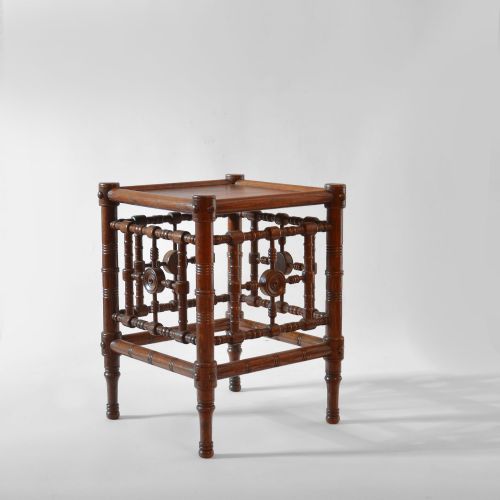

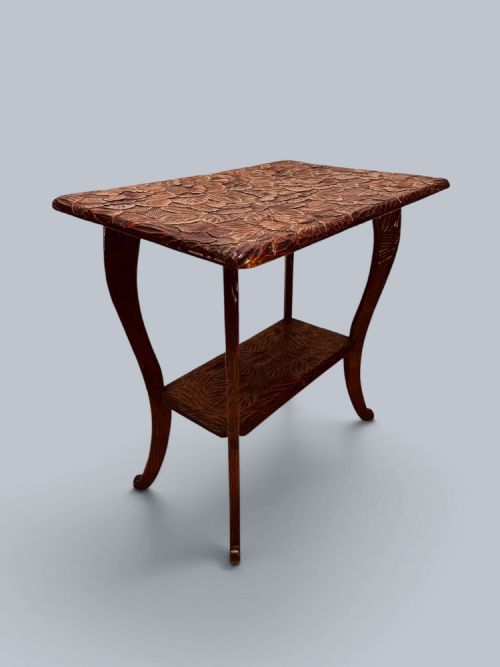
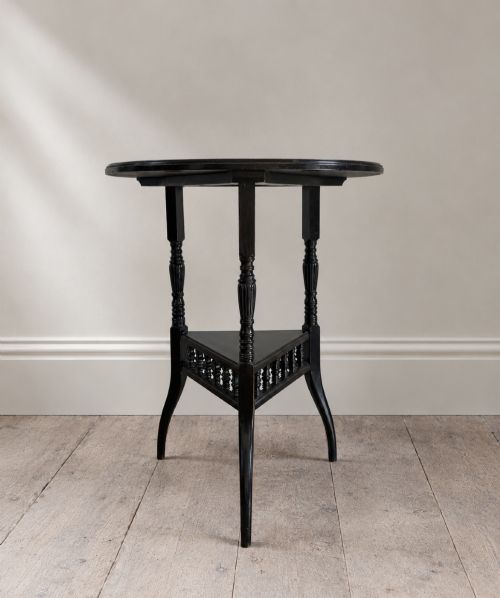
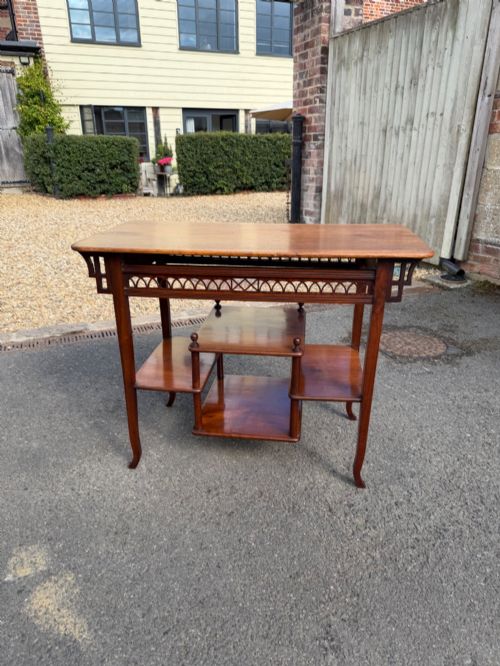


Japanese Aesthetic Movement Table
A japanese aesthetic movement table brings together nineteenth century craftsmanship and eastern design, offering distinct low relief forms for your interior.
Japanese Aesthetic Movement Table
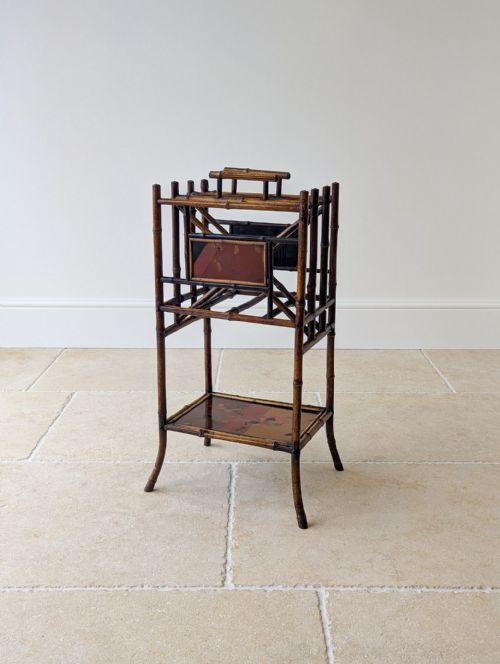
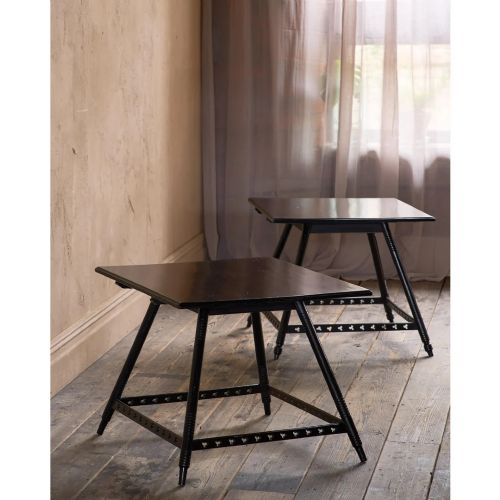
A japanese aesthetic movement table embraces the late nineteenth century fusion of British cabinet making and imported eastern motifs. You will encounter occasional tables, side tables, and bamboo canterburys spanning the Victorian era up to nineteen ten.
The aesthetic movement and Anglo-Japanese styles dominate these pieces, often following designs associated with E W Godwin or produced by firms like Liberty and Co. Forms range from simple bamboo console tables to ebonised hardwood writing desks and card tables.
Materials and Construction
Maker workshops utilised ebonised wood and hardwood alongside natural bamboo and occasional mahogany or walnut to achieve striking dark or organic finishes. Brass fittings frequently accent these structures, complementing the lacquer and crossbanded surfaces.
Joinery methods reflect both traditional British cabinet making and techniques inspired by Japanese furniture design. The integration of two tier structures and half moon consoles demonstrates structural ingenuity within compact domestic forms.
Japanese Aesthetic Movement Table Retail Price Guide 2026
Typical asking prices for japanese aesthetic movement table among the pieces listed under this phrase on Sellingantiques today, from the lower quarter to the upper quarter. They describe what is for sale here now, not the wider market.
Materials documented across the selection include ebonised wood, bamboo, mahogany, walnut, brass, and lacquer.
Assessing Quality and Execution
The distinction between ordinary production and superior craftsmanship lies in the crispness of ebonisation and the structural integrity of bamboo frames. Finer examples display meticulous attention to joint work and well balanced proportions across multi tier and occasional formats.
Attribution to known designers or prominent retailers elevates a piece, as seen in items bearing the stylistic hallmarks of E W Godwin or retail output from Liberty and Co. The selection of timbers, from rich walnut to dense ebonised hardwood, further defines the tier of execution.
Blyth and Son·Liberty and Co
The Japanese Aesthetic Movement Table Glossary
- Ebonised wood
- Timber treated with a dark stain or finish to imitate ebony. This dark surface provided a stark contrast that highlighted oriental inspired motifs.
- Anglo-Japanese
- A design style fusing British construction with Japanese artistic principles. It emerged strongly during the late Victorian period.
- Canterbury
- A small piece of furniture designed for holding sheet music or periodicals. In this selection, they appear in bamboo and ebonised frames.
- Bonheur du jour
- A small light lady's writing desk featuring a superstructure with shelves or drawers. Examples from the aesthetic period incorporate eastern decorative influences.
- Crossbanded
- A method of applying a border of veneer across the grain of the main surface. This technique added decorative contrast to table tops.
Japanese Aesthetic Movement Table: Frequently Asked Questions
How do I identify a Japanese aesthetic movement table?
Look for characteristic ebonised finishes, bamboo frames, and motifs drawn from eastern design traditions. These pieces often date from the late nineteenth century and reflect the prevailing Anglo-Japanese taste.
Examine the construction for two tier formats, brass accents, and structural lightness typical of the period and style.
Where should I place an occasional table?
An occasional table suits reception rooms, hallways, or living spaces as a decorative surface for lamps or display items. Their compact footprints allow them to fit easily beside seating.
Consider pairing a bamboo or ebonised side table with complementary period furnishings to enhance the interior scheme.
What is the difference between side and console tables?
Side tables are typically freestanding items designed to be placed against walls or beside chairs for general utility. Console tables often feature half moon shapes or specific wall mounting characteristics.
Both forms served domestic display purposes in nineteenth century homes, utilising imported aesthetic styles.
How do I care for ebonised wood and bamboo?
Dust surfaces regularly with a soft, dry cloth to prevent accumulation without damaging the delicate dark finish or natural bamboo. Avoid placing these pieces in direct sunlight or near heat sources to protect the wood and lacquer.
Treat the timber occasionally with appropriate maintenance products recommended for antique furniture.