



Jadeite Jewelry
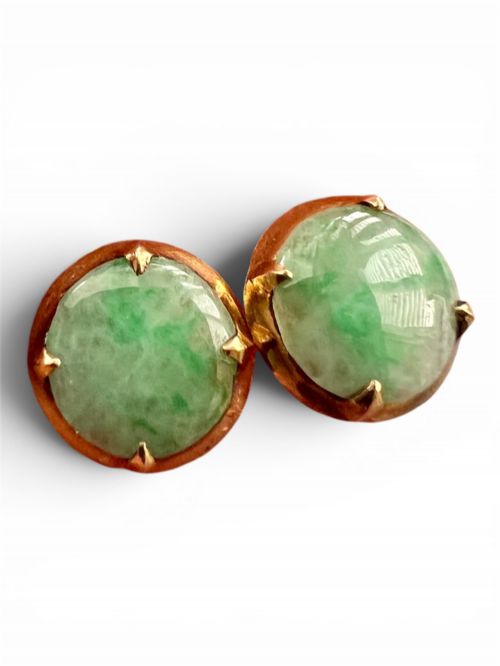
Jadeite jewellery brings together carved green stones and precious metals, offering a distinctive look that spans the Edwardian, Art Deco, and Mid-Century periods.
Jadeite Jewelry
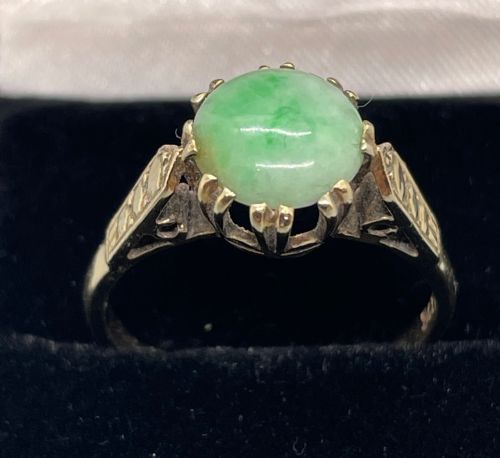
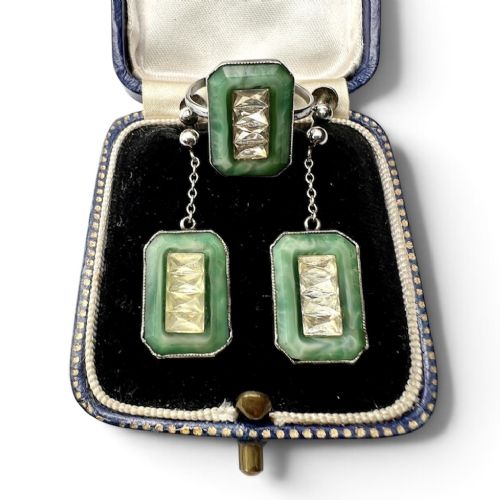
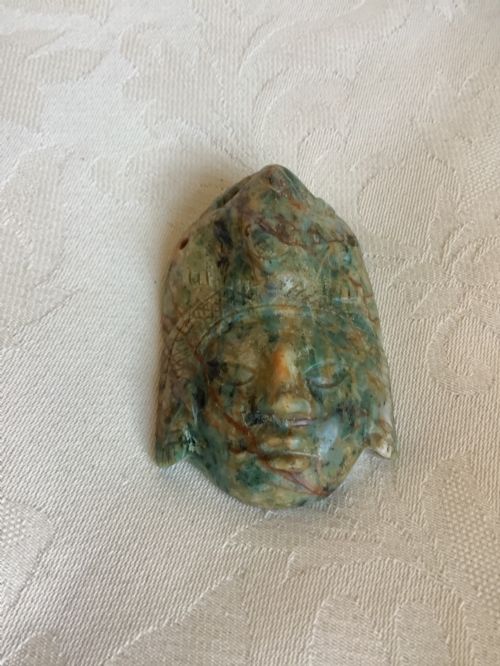
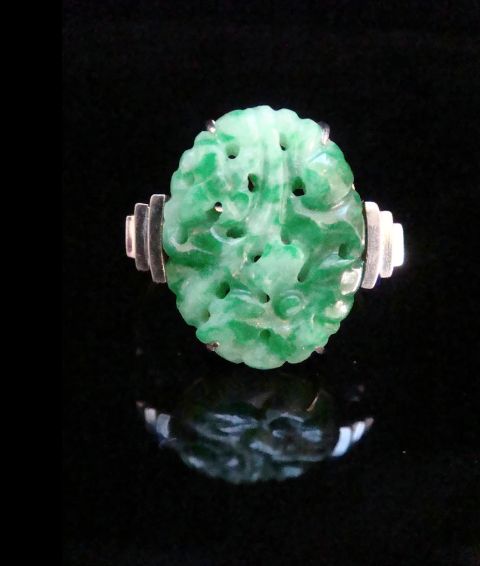
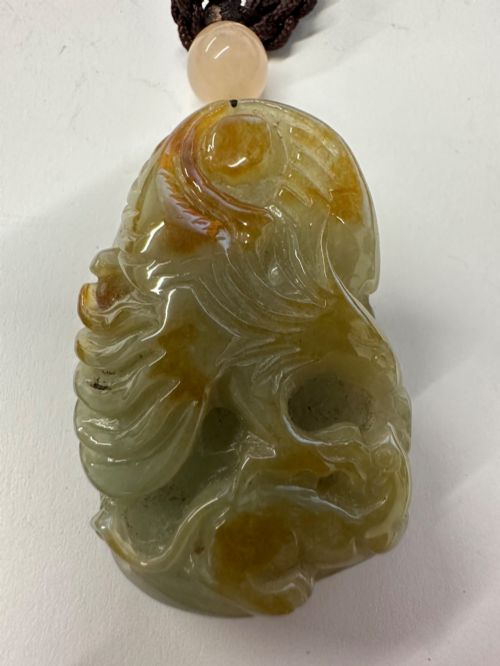
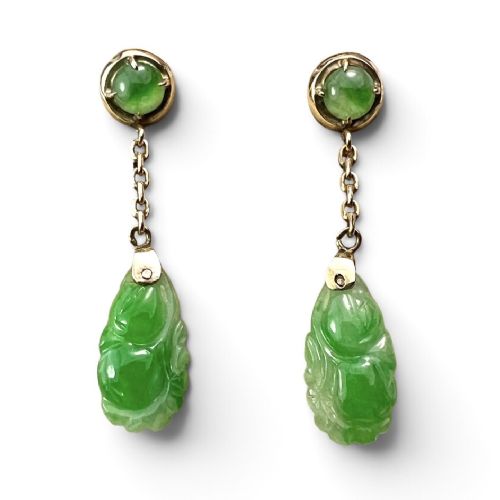
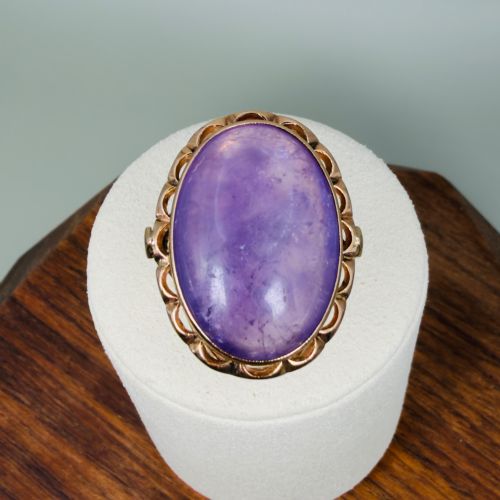
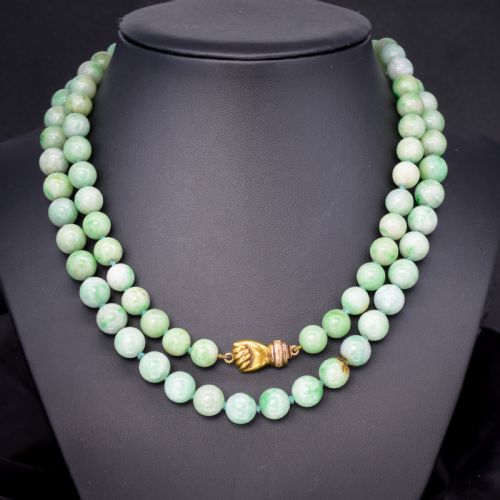
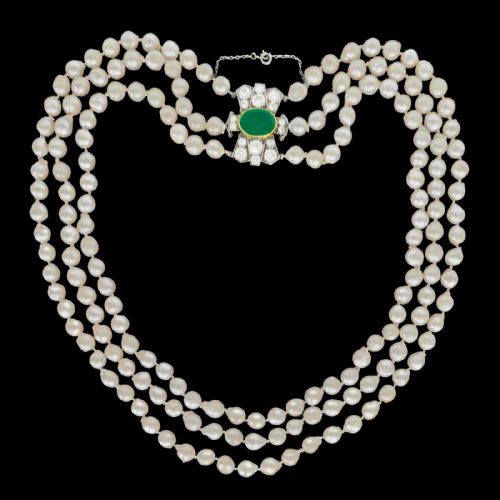
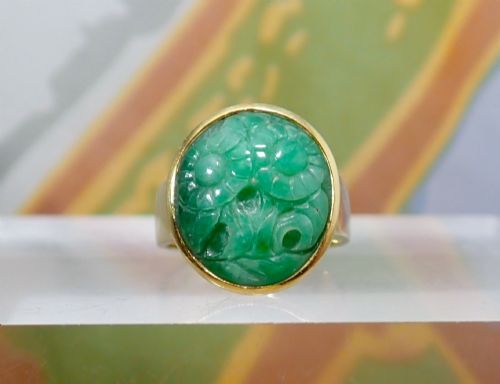
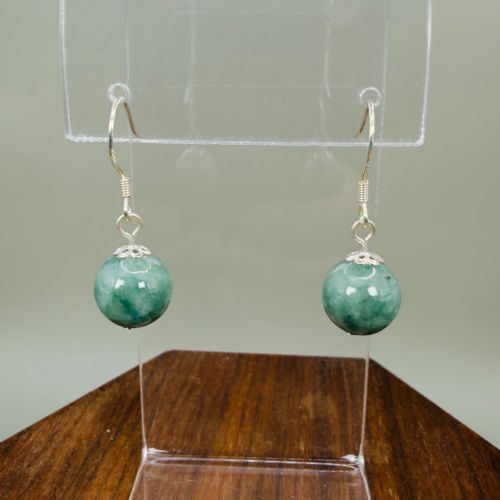
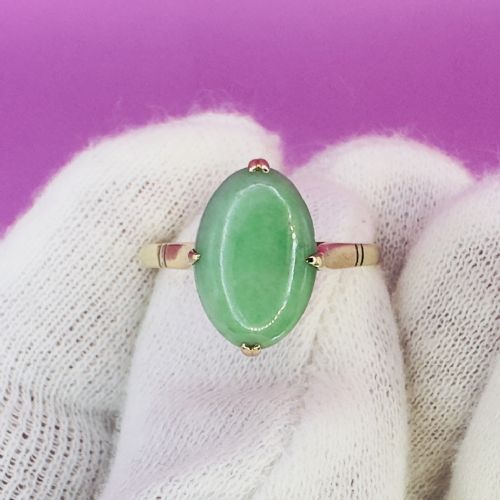
The selection includes carved talismans, cabochon rings, beaded strands, and drop earrings mounted in yellow gold, white gold, and platinum. Pieces often incorporate complementary gems such as diamonds and pearls alongside the carved or polished green material.
Materials and construction
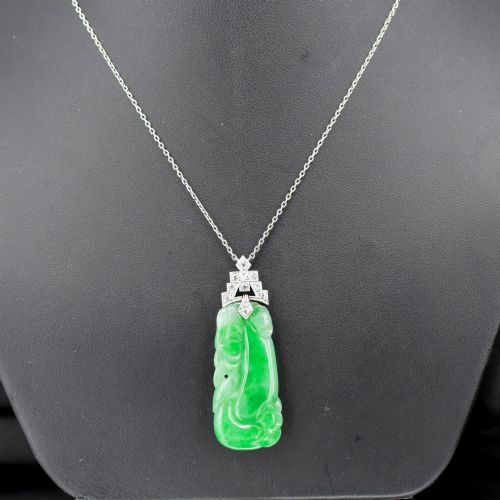
Craftsmen shaped jade and jadeite into smooth cabochons or intricate low-relief carvings depicting motifs such as phoenixes, trees, and dragons. These stones are set into precious metals including platinum, 18ct gold, 14ct gold, and 9ct yellow or rose gold.
Metalwork techniques reflect the prevailing style of the period, from Edwardian platinum wirework and diamond pavé settings to Art Deco geometric bezels and mid-century prong mounts.
Jadeite Jewelry Retail Price Guide 2026
Typical asking prices for jadeite jewelry among the pieces listed under this phrase on Sellingantiques today, from the lower quarter to the upper quarter. They describe what is for sale here now, not the wider market.
Listings feature items mounted in gold, 14ct gold, 18ct gold, and platinum, spanning the nineteenth century through the 1960s.
Assessing quality and craftsmanship
Quality in these pieces rests upon the colour intensity and translucency of the stone, alongside the precision of any carving work. Stones displaying deep imperial green tones or unusual lavender shades command greater attention.
The sophistication of the mounting elevates a piece, particularly when master metalsmiths combine platinum with finely cut diamonds to frame the central stone. Hallmarks, assay reports, and the structural integrity of screw-back or hook fittings further distinguish individual items.
The Jadeite Jewelry Glossary
- Cabochon
- A gemstone shaped and polished with a smooth, convex top rather than faceted edges. This cut highlights the natural depth and colour of the material.
- Art Deco
- A design style popular in the 1920s and 1930s characterised by sleek geometric shapes, stylised motifs, and strong vertical lines. Pieces from this period frequently pair carved green stones with platinum and diamonds.
- Edwardian
- A decorative era spanning the late nineteenth century and the early twentieth century defined by delicate platinum work and intricate openwork. Jewellery from this time often uses high-value metals to create lace-like settings.
- Republic Period
- A phase in Chinese history running from 1912 to 1949 noted for distinct decorative arts. Carvings from this era often feature traditional symbols like dragons and phoenixes.
- Figa hand
- A traditional amulet carved in the shape of a clenched fist with the thumb protruding between the index and middle fingers. This motif appears on clasps of antique beaded strands.
Jadeite Jewelry: Frequently Asked Questions
What periods do these pieces come from?
The items span from the nineteenth century through the Victorian, Edwardian, and Art Deco periods, extending into the mid-twentieth century.
Each era contributes distinct design characteristics, such as the heavy use of platinum in the 1920s and simpler gold mountings in the 1950s.
How do I care for jadeite jewellery?
These items require gentle cleaning with warm soapy water and a soft cloth to protect the polished surface and any delicate metal settings.
Store pieces separately to prevent softer metals or diamonds from scratching the jadeite surface.
Are diamonds commonly paired with these stones?
Diamonds frequently appear alongside green and lavender stones in Edwardian and Art Deco pendant necklaces, rings, and drop earrings.
Master jewellers used small diamonds to frame central cabochons or accent geometric platinum mountings.
What is the difference between jade and jadeite?
Jade serves as a broad term encompassing two distinct mineral species, while jadeite specifically names the rarer and harder mineral used in many high-end carved items.
Both materials appear across various historical periods in rings, pendants, and beaded strands.