


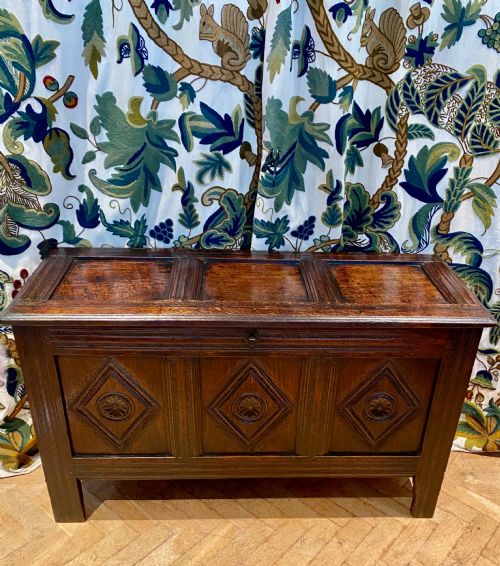
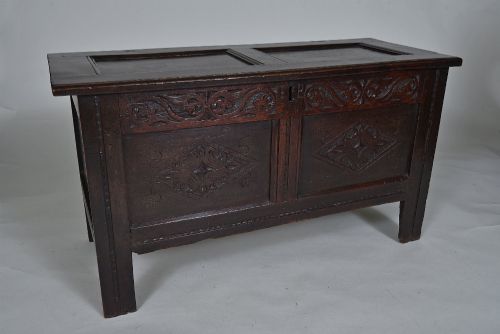
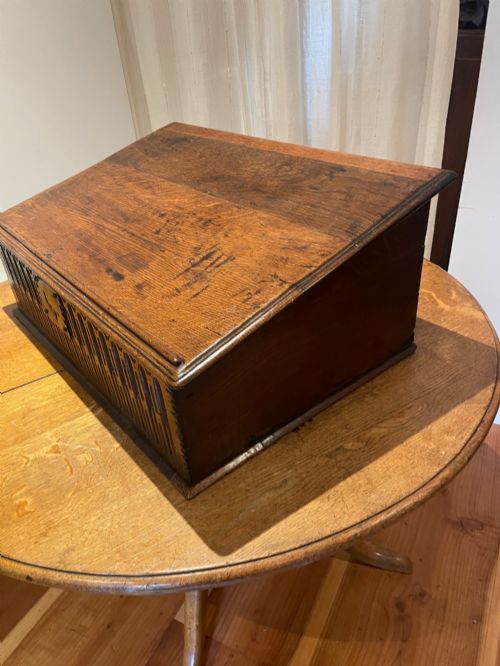
Jacobean Wooden Coffer
These jacobean wooden coffer examples combine heavy timber construction with centuries of domestic utility, offering genuine period character for modern storage.
Jacobean Wooden Coffer
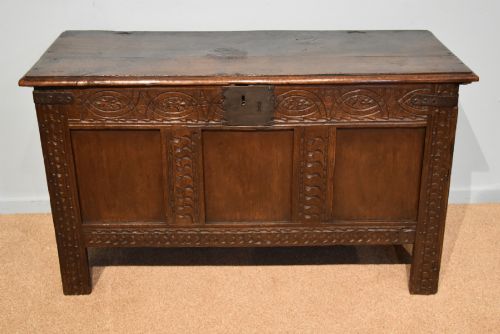
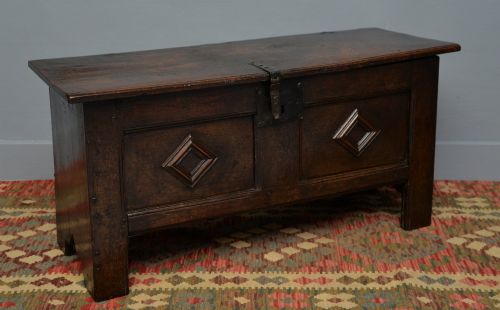
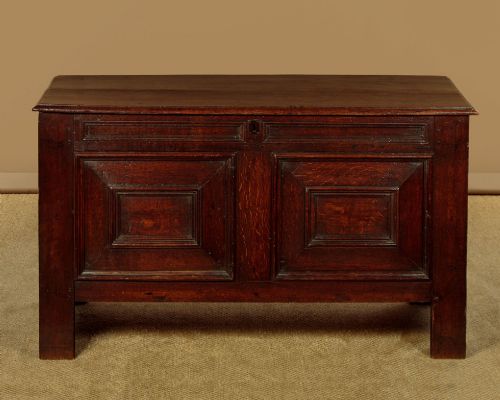
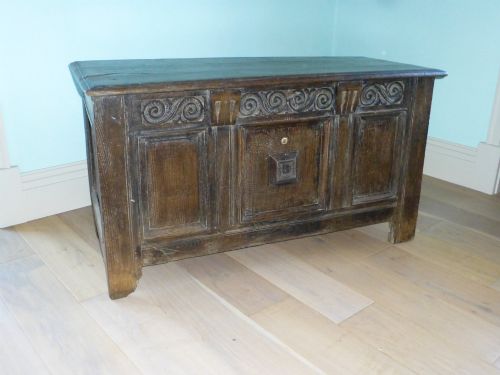
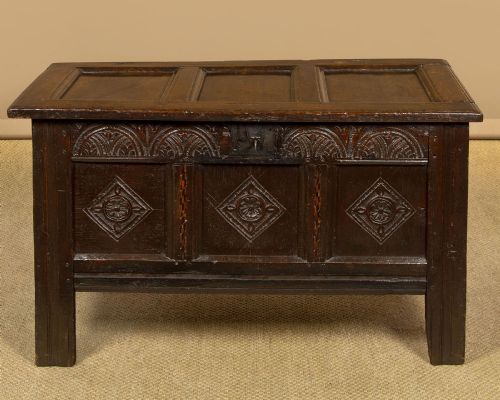
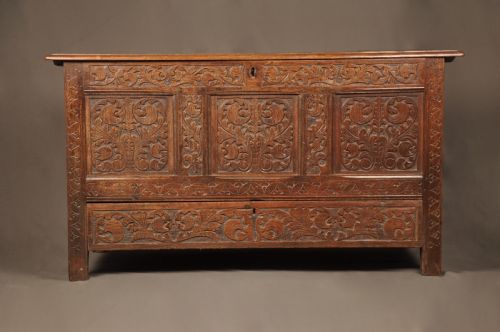
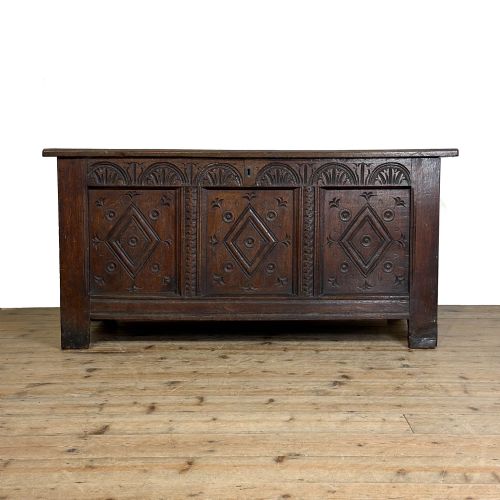
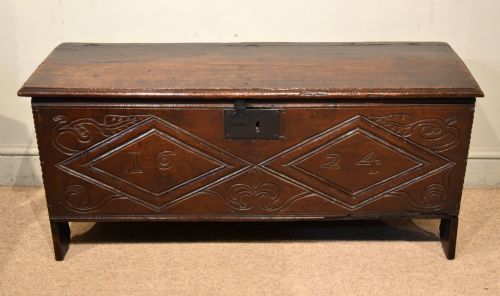
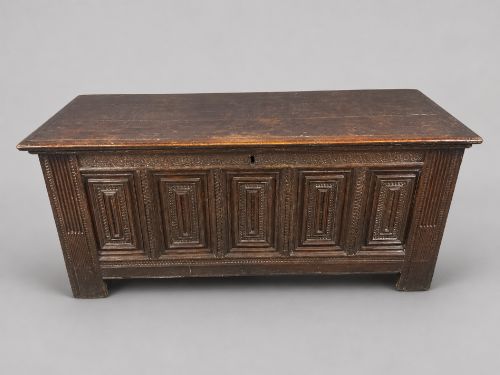
A jacobean wooden coffer is a heavy storage chest constructed primarily during the seventeenth century, utilised for safeguarding valuables, linen, and documents in domestic settings. These pieces present robust rectangular proportions with hinged lids, serving as both functional furniture and foundational architecture in early homes.
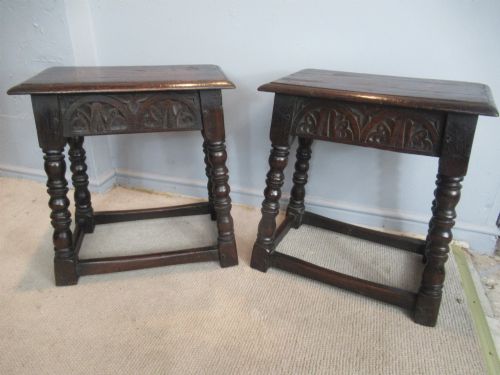
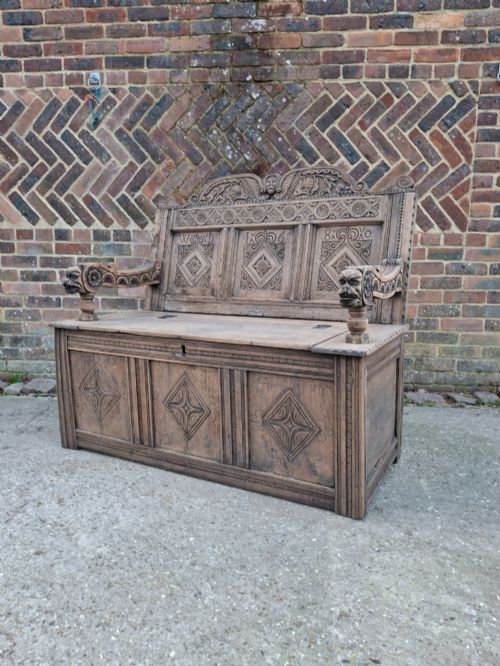
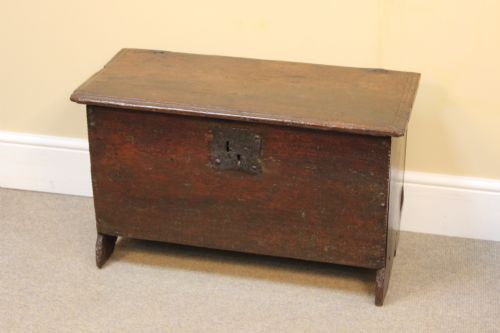
The version most commonly encountered on this page originates from the seventeenth century, though the selection includes later revival pieces from the Victorian, Edwardian, and early twentieth century periods. Alongside standard coffers, the listings encompass related forms such as panelled settles, bible boxes, mule chests, and small storage boxes.
Distinguishing quality factors
Quality rests upon the crispness and depth of the hand carving, the integrity of the joined oak frame, and the proportion of original timber remaining in the piece. Pieces exhibiting sophisticated geometric panels, figural motifs, or regional marquetry distinguish themselves from simpler, plain-fronted examples.
The survival of original iron hinges, locks, and lid boards elevates a piece, whereas extensive timber replacement or unsympathetic modern repairs alter the integrity of the construction.
Jacobean Wooden Coffer Retail Price Guide 2026
Typical asking prices for jacobean wooden coffer among the pieces listed under this phrase on Sellingantiques today, from the lower quarter to the upper quarter. They describe what is for sale here now, not the wider market.
Listings span multiple eras, encompassing authentic seventeenth century examples alongside Victorian, Edwardian, and 1930s revival pieces.
The Jacobean Wooden Coffer Glossary
- Joined oak
- Construction method utilising pegged mortice and tenon joints rather than nails. This technique provides exceptional rigidity to seventeenth century furniture.
- Mule chest
- A storage chest featuring one or more drawers beneath the main compartment. This form bridges the evolution between the traditional coffer and the modern chest of drawers.
- Bible box
- A small, table-top container with a sloping or flat lid. These portable boxes were designed to store sacred texts and personal documents securely.
- Marquetry
- Decorative inlay technique using various tinted woods to create pictorial or geometric patterns on the surface. It appears on finer seventeenth century and revival examples.
- Cromwellian
- Pertaining to the period of the Commonwealth during the mid-seventeenth century, typically characterised by austere designs with minimal ornamentation.
Jacobean Wooden Coffer: Frequently Asked Questions
What were coffers originally used for?
Households utilised these heavy chests to store textiles, parish records, and valuables securely before fitted wardrobes and cupboards became common in domestic interiors.
Because they possessed strong locks and sturdy timber walls, they also functioned as makeshift tables, benches, and travelling luggage for the gentry and merchants.
How do I date a seventeenth century coffer?
Dating relies on examining the construction marks, tool signatures, and stylistic shifts in the panel carvings. Early pieces from the Jacobean era often display distinct strapwork and guilloche patterns.
Secondary clues include the type of hinges, the method used to flatten internal boards, and regional variations in timber preparation.
Are later revival coffers authentic antiques?
Revival pieces produced during the Victorian, Edwardian, and early twentieth centuries are authentic antiques in their own right, reflecting historicist tastes of those later decades.
They replicate seventeenth century styles using period woodworking tools and seasoned oak, making them desirable for collectors interested in revival movements.
How should I care for old oak timber?
Historic oak requires stable environmental conditions away from direct heat sources and rapid humidity fluctuations to prevent the wood from drying out and cracking.
Applying occasional applications of traditional beeswax helps nourish the dry grain and maintains a protective sheen across the carved surfaces.