



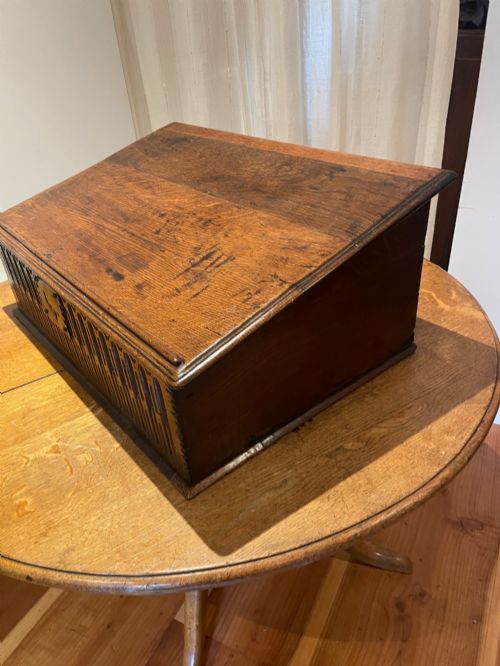
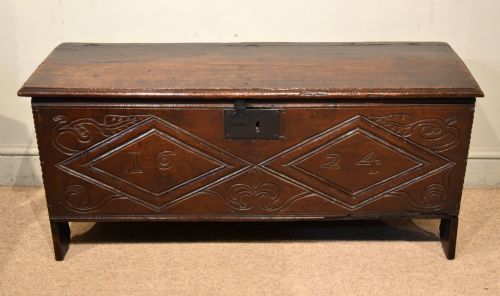
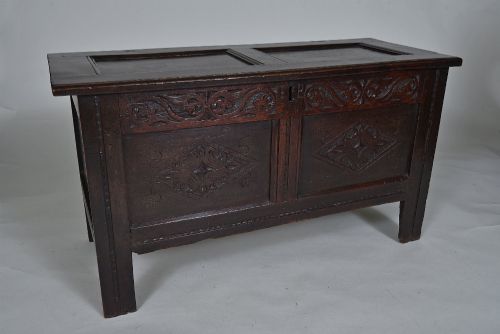
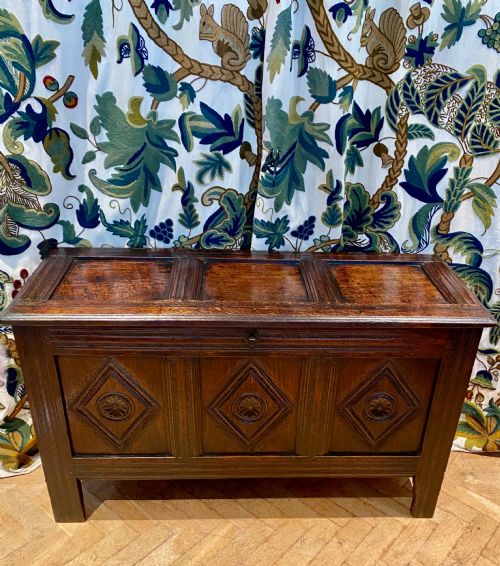


Jacobean Wooden Box
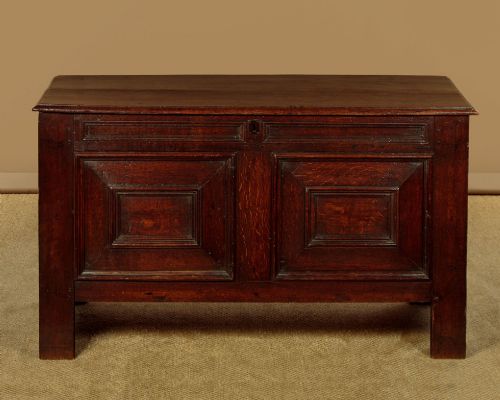
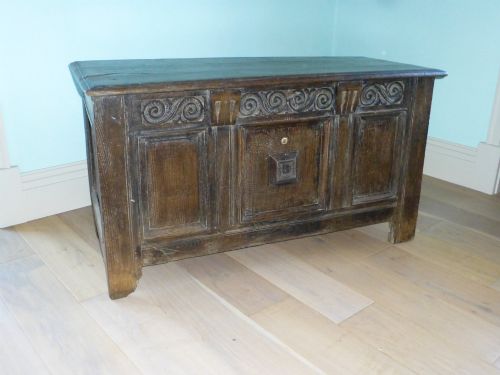
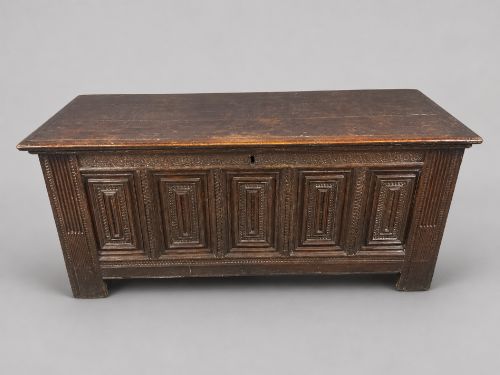
A jacobean wooden box brings heavy oak and crisp carved panels into a room, offering sturdy storage with centuries of practical history behind it.
Jacobean Wooden Box
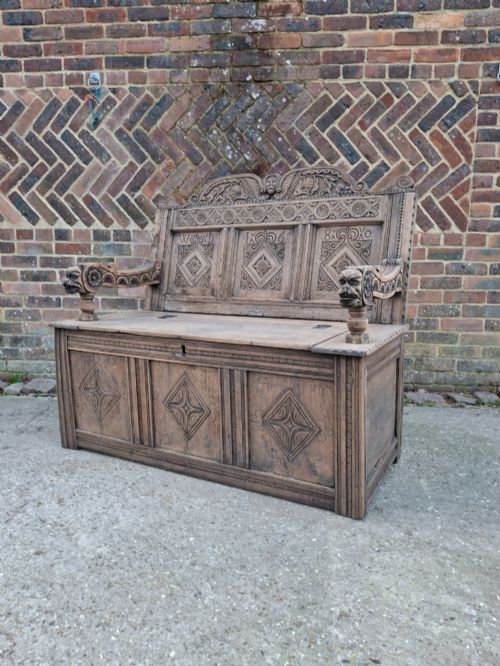
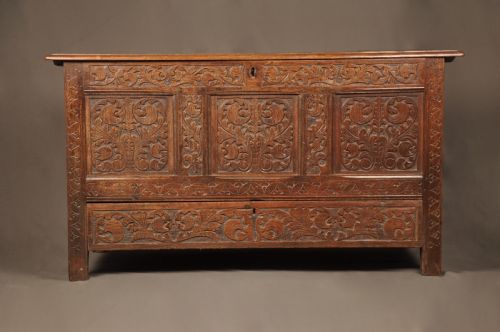
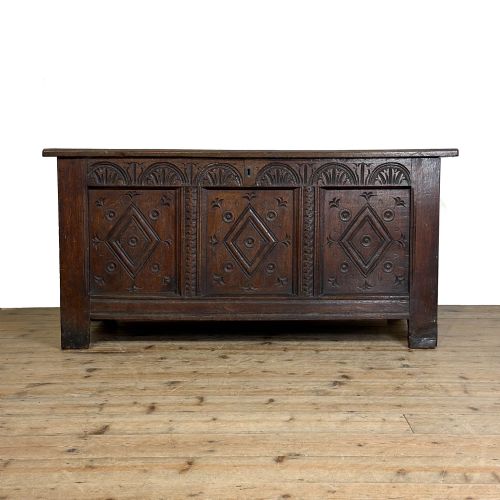
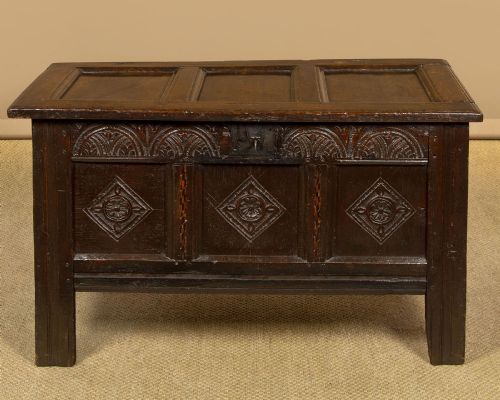
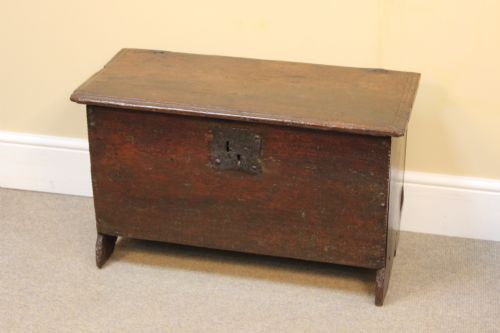
When searching for a jacobean wooden box, collectors encounter sturdy oak coffers, small blanket chests, and bible boxes originating primarily from the seventeenth century alongside later revival pieces.
The form is defined by boarded or joined construction, often featuring lift-up lids and hand-carved friezes intended to hold household valuables, linens, or texts.
Period examples sit alongside pieces from the nineteenth and early twentieth centuries built in the same seventeenth-century style, utilising solid timber and traditional joinery.
How they were made
English oak serves as the primary material, shaped by hand using traditional jointing methods like mortise and tenon rather than modern fasteners.
Many items display chip-carving, panel moulding, and occasional marquetry inlay, finished with iron or brass hinges and locks that secure the lid.
Jacobean Wooden Box Retail Price Guide 2026
Typical asking prices for jacobean wooden box among the pieces listed under this phrase on Sellingantiques today, from the lower quarter to the upper quarter. They describe what is for sale here now, not the wider market.
Listings feature solid oak and fruitwood alongside iron and brass hardware, spanning periods from the seventeenth century to the Edwardian era.
What varies in quality
The depth and crispness of the hand-carving distinguish standard storage boxes from superior examples, as does the retention of original timber boards and period hardware.
Proportion and scale play a role, with smaller formats like bible boxes and miniature coffers commanding attention for their neat dimensions and careful execution.
The Jacobean Wooden Box Glossary
- Coffer
- A large wooden chest used historically for storage, typically fitted with a hinged lid and robust boarded construction.
- Bible box
- A small tabletop or desk-top box designed to hold sacred texts and writing implements, often featuring a sloping lid.
- Joined oak
- Furniture constructed using interlocking wood joints such as mortise and tenon, characteristic of seventeenth-century carpentry.
- Marquetry
- Decorative inlay work using patterned wood veneers to create geometric or floral designs on the surface.
- Mule chest
- A storage chest fitted with one or more drawers beneath the main lift-up compartment, appearing from the seventeenth century onward.
Jacobean Wooden Box: Frequently Asked Questions
What fits inside a jacobean wooden box?
These boxes store household linens, documents, and dry goods depending on their original domestic purpose.
Smaller examples suit desk accessories or letters while larger coffers accommodate blankets and heavier textiles.
How do I date a wooden box?
Examine the construction methods, tool marks, and wood shrinkage to determine the age of the timber and joints.
Period pieces display hand-cut joinery and forged iron fixings distinct from later revival furniture.
Where should I place a coffer?
A coffer sits comfortably at the foot of a bed, along a hallway, or beneath a window as a functional seat.
Keep wooden boxes away from direct heat sources to prevent the solid oak panels from splitting.
Are revival pieces well made?
Revival items from the Edwardian era or early twentieth century frequently employ solid oak and traditional hand-carving techniques.
These pieces match the aesthetic of earlier centuries while offering sturdy construction for modern homes.