

Jacobean Wood Panels
Jacobean wood panels are heavy, tactile remnants of early domestic interiors that bring genuine sixteenth and seventeenth-century texture to a room.
Jacobean Wood Panels
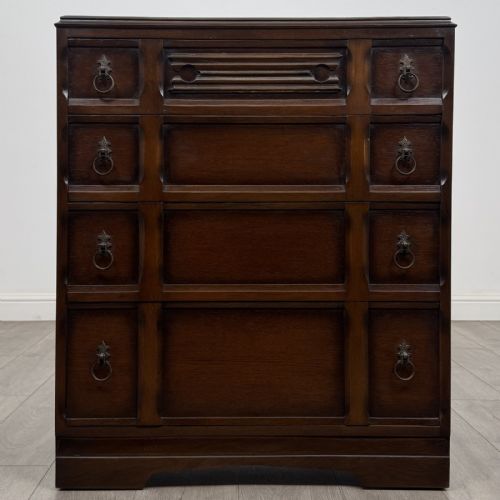
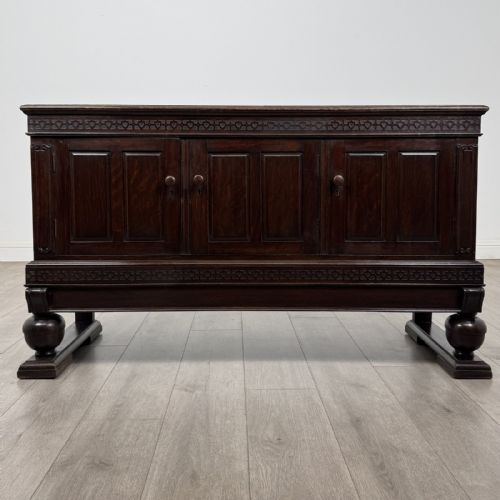
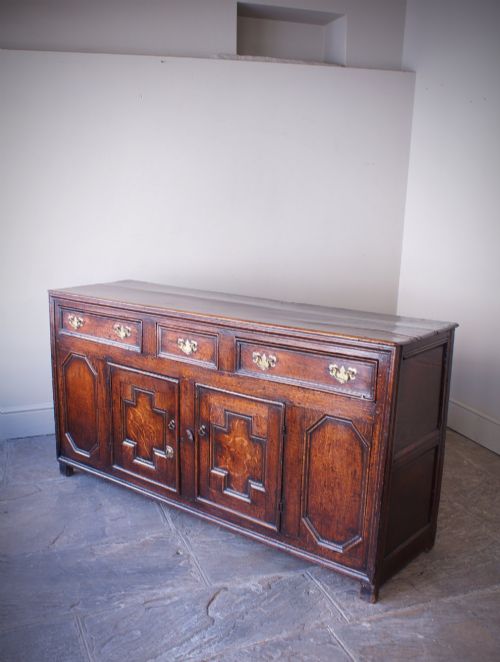
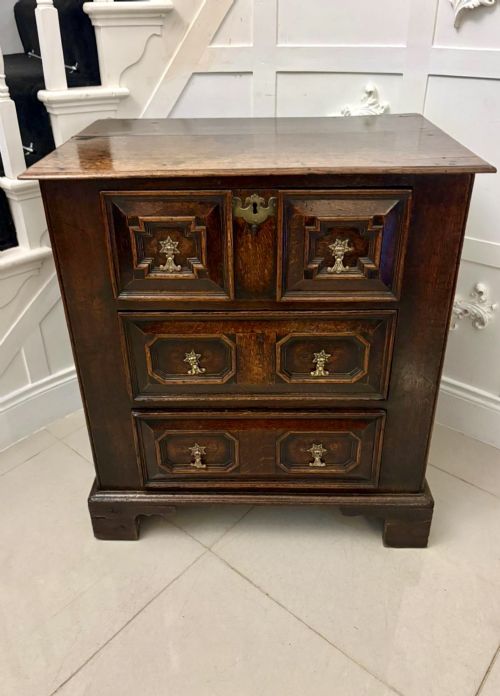
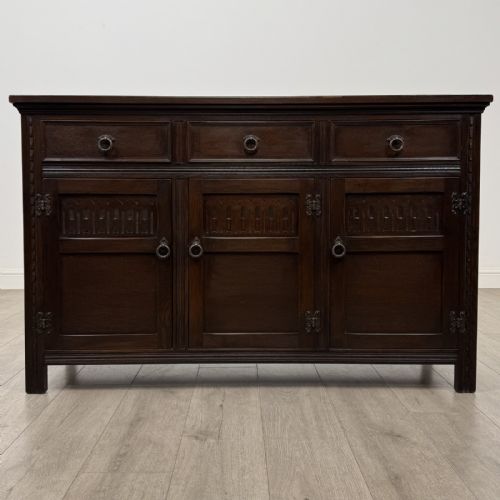
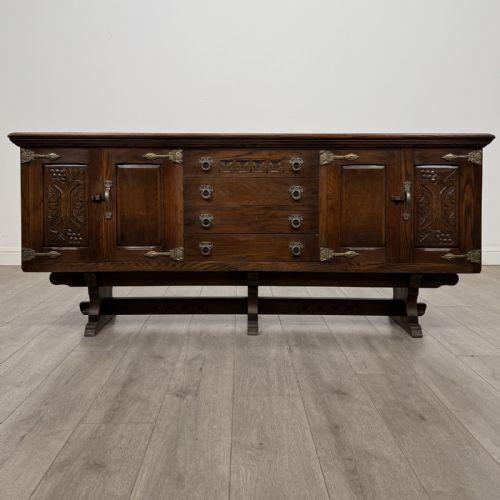
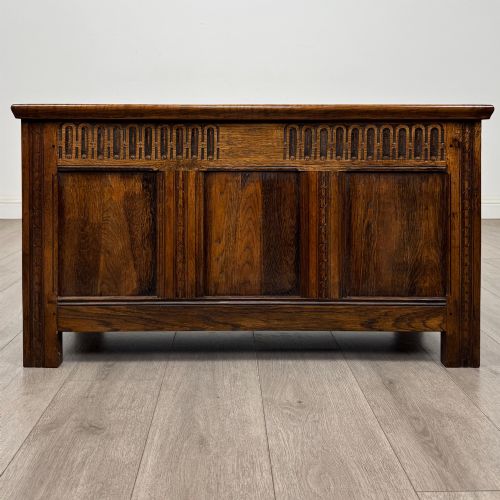
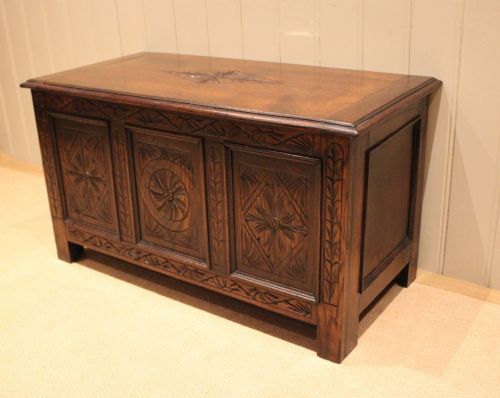
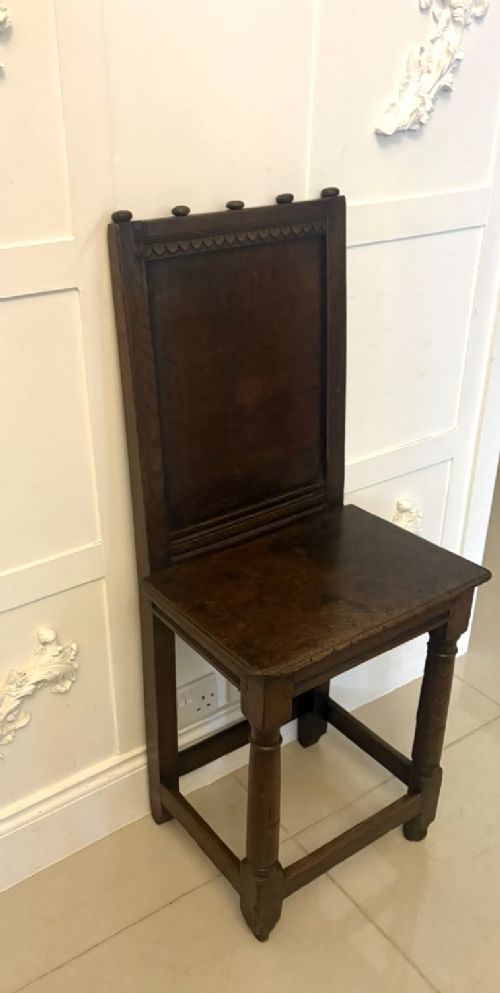
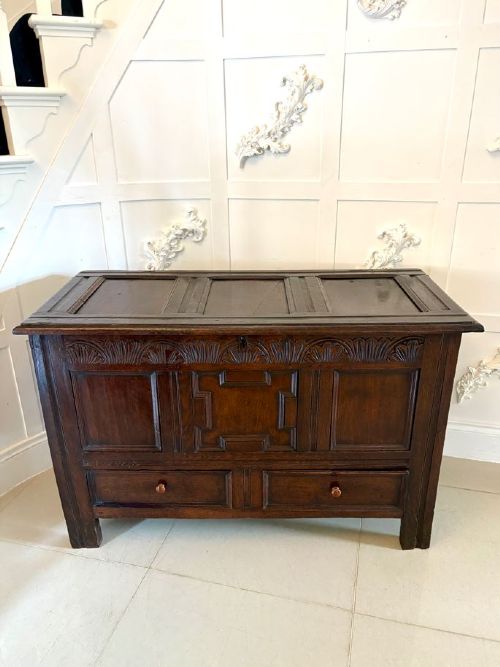
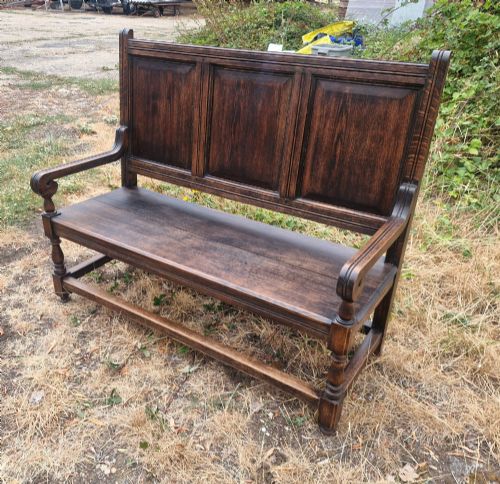
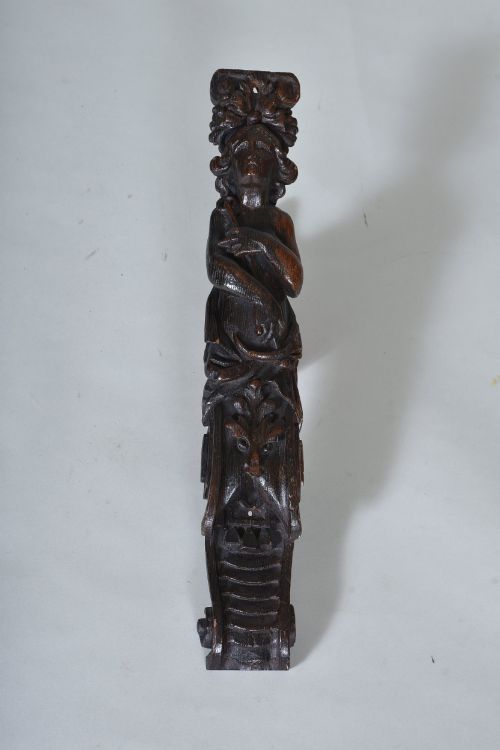
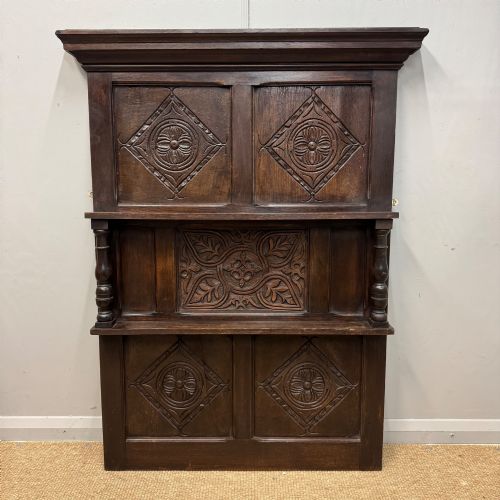
Jacobean wood panels comprise architectural fragments, carved wall plaques, and decorated structural elements originating primarily from the sixteenth and seventeenth centuries. Buyers searching this phrase encounter individual carved panels depicting motifs like linenfold, as well as integrated panels forming the fronts of coffers, chests, cupboards, and wainscot armchairs.
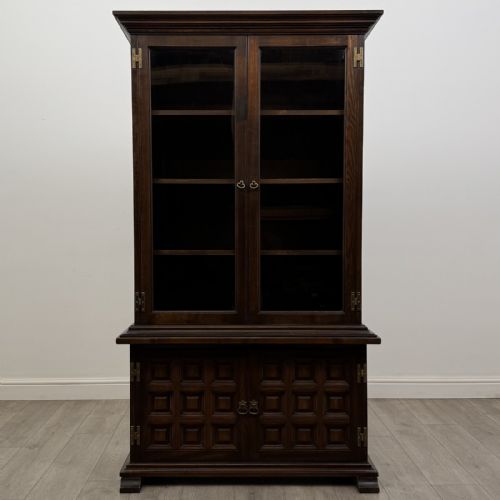
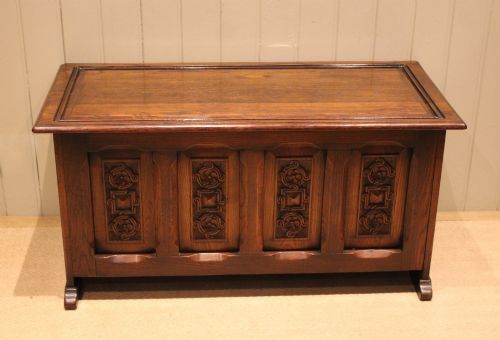
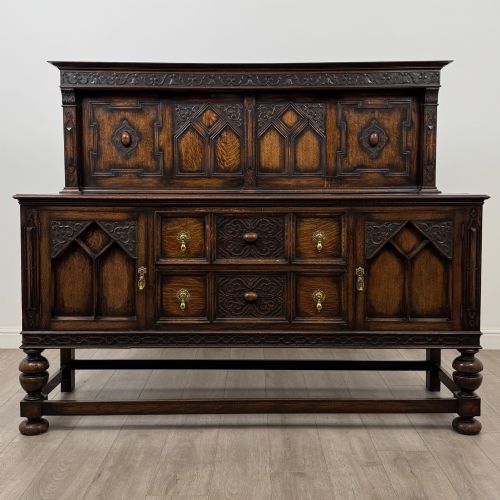
The selection ranges from authentic period carvings to later revival interpretations produced during the Victorian, Edwardian, and twentieth-century periods. These later iterations often utilise Jacobean style motifs within sideboards, blanket boxes, and overmantles while retaining the dark timber aesthetic of the early period.
How they were made
Makers constructed these panels predominantly from solid oak, sometimes turning to walnut or fruitwood for specific decorative components. Working with dense heartwood, carvers utilised chisels and gouges to execute high-relief scenes, geometric patterns, and linear borders directly into the grain.
Assembly relied on traditional frame and panel construction to accommodate the natural movement of timber as humidity shifted. Iron and brass hardware, including hinges and latches, secured the panels within larger storage forms such as mule chests, coffers, and cupboards.
Jacobean Wood Panels Retail Price Guide 2026
Typical asking prices for jacobean wood panels among the pieces listed under this phrase on Sellingantiques today, from the lower quarter to the upper quarter. They describe what is for sale here now, not the wider market.
Current listings feature pieces spanning the 16th century through the 1930s, utilising oak, walnut, fruitwood, brass, and iron.
What varies in quality
Quality rests upon the depth and crispness of the carving, distinguishing confident early handwork from softer, shallower revival execution. The selection of the timber grain and the integrity of the original joints also dictate the structural success of each piece.
The survival of an uncompromised surface patina marks the distinction between pieces that retain their historic character and those altered by aggressive modern cleaning or excessive intervention.
The Jacobean Wood Panels Glossary
- Linenfold
- A style of relief carving imitating folded linen fabric, frequently seen on sixteenth and seventeenth-century panels. This motif became a standard decorative treatment for church pews and domestic chest fronts.
- Wainscot
- A type of solid wooden armchair or panelling constructed with frame and panel techniques. The term originates from the high-quality imported oak boards historically used for wall lining.
- Coffer
- A large wooden chest used for storage, constructed with heavy panels and frequently reinforced with iron or brass. These boxes served as versatile household furniture for storing textiles and valuables.
- Geometric
- A decorative style employing straight lines, rectangles, and applied mouldings to create repeating patterns on drawer fronts and cabinet doors. This ornamental approach gained prominence during the seventeenth century.
- Overmantle
- A decorative architectural fixture mounted above a fireplace, often incorporating carved panels or repurposed timber fragments. These elements anchored the visual centre of panelled rooms.
Jacobean Wood Panels: Frequently Asked Questions
How do I identify a true period panel?
Authentic period panels display tool marks consistent with hand-chiselling and timber shrinkage appropriate to centuries of age. The grain develops a deep, dry patina that modern staining struggles to replicate.
Examine the back of the panel for peg construction and uneven thickness. Revival pieces often show mechanical saw marks and uniform machine milling.
How were jacobean panels used historically?
These panels functioned primarily as wall linings, structural doors, and decorative fronts for storage furniture. They provided insulation against damp stone walls while demonstrating household status through carved ornamentation.
Individual panels were also integrated into larger case furniture like coffers, dressers, and wainscot chairs. Overmantles incorporated carved fragments above hearths to anchor the main reception rooms.
Can I hang an antique panel on the wall?
Many panels function successfully as wall art provided they possess stable backing and suitable hanging hardware. Heavy oak fragments require secure wall fixings to support their substantial weight safely.
Keep mounted panels away from direct heat sources and strong sunlight to prevent the dry oak from splitting. Environmental stability protects the historic surface finish from degrading over time.
What is the difference between original and revival pieces?
Original pieces date from the sixteenth and seventeenth centuries, bearing the physical wear of genuine domestic use. Their construction methods reflect the specific hand-tool techniques of early English workshops.
Revival pieces, produced during the Victorian and Edwardian eras, imitate these earlier styles using period machinery or blended antique timber. These later interpretations offer the visual aesthetic of early oak furniture with greater structural regularity.