




Jacobean Style Stool
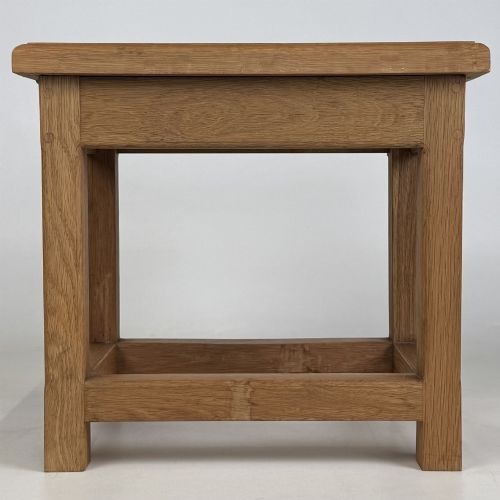
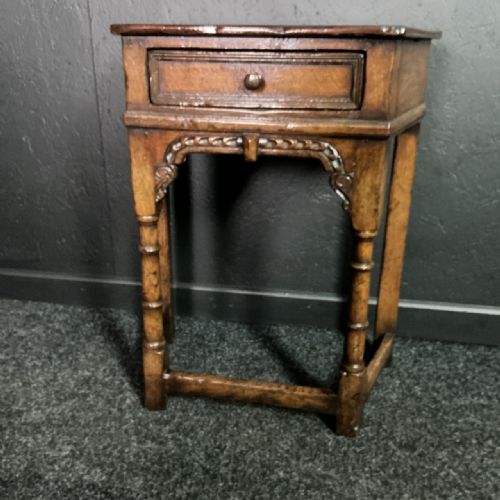
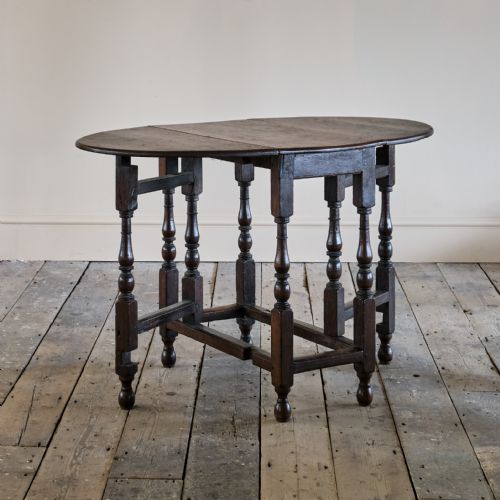
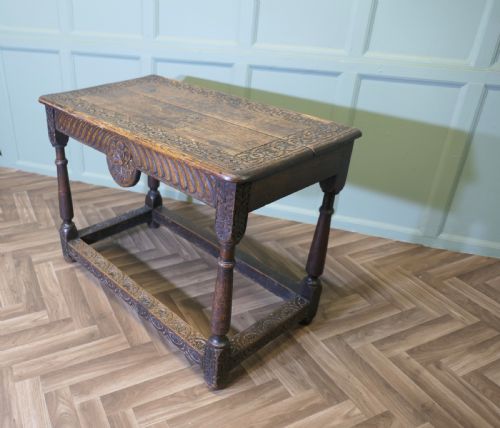
These jacobean style stool examples offer solid oak frames and carved details that anchor a traditional interior with genuine historical weight.
What these pieces are
A jacobean style stool draws on heavy seventeenth-century forms, appearing most often on this page as an oak joint stool or an upholstered centre stool. These seating pieces span periods from the eighteenth century through nineteenth-century revivals and twentieth-century reproductions up to the nineteen-thirties.
Buyers encounter sturdy oak joint stools alongside cane work variants, piano stools, and box stools with lift tops. The materials and structural methods follow traditional woodworking practices established centuries prior.
The selection includes rustic farmhouse interpretations alongside formal revival pieces finished with brass tacks and decorative fabric. Each variation reflects the enduring appeal of heavy dark wood furniture within domestic spaces.
How they were made
Cabinetmakers constructed these pieces primarily from solid oak and dark wood, utilising pegged joints and sturdy framing techniques. The timber often shows hand-carved ornamentation typical of revival periods.
Upholstered versions incorporate fabric and brass tacks to secure coverings over padding. Other variants integrate cane work panels into the seat construction, combining timber frames with woven natural materials.
Retail Price Guide 2026
Typical UK retail prices for jacobean style stool, calculated from the Sellingantiques database of over a million retail prices indexed since 2003. This retail price guide relies exclusively on Sellingantiques data; no external sources or auction records are used, so the figures do not describe the wider market.
Listings span the eighteenth century, nineteenth century, and twentieth-century decades up to nineteen-thirty, predominantly featuring oak and fabric.
What varies in quality
The distinction between standard production and superior execution lies in the density of the oak and the crispness of the carved detail. Heavier timbers and deeper relief carving elevate the presence of the piece.
Integration of materials also dictates standing, where tightly woven cane work or precisely driven brass tacks demonstrate superior craftsmanship. The integrity of the joint construction remains paramount across all periods.
The Jacobean Style Stool Glossary
- Joint stool
- A sturdy wooden stool built with mortise and tenon joints rather than traditional turning. These pieces often feature pegged construction and rectangular tops.
- Cane work
- A seating surface woven from peeled rattan or cane strips. This technique provides a resilient and breathable panel within a wooden frame.
- Brass tacks
- Small decorative fasteners with brass heads used to secure upholstery fabric to timber frames. They create a neat, punctuated border along the seat edge.
- Jacobean Revival
- A nineteenth and twentieth-century design movement that reinterprets seventeenth-century English styles. It relies heavily on dark oak, turnings, and flat-surface carving.
Frequently Asked Questions
How do I use a joint stool?
These sturdy wooden stools function well as extra seating around a table or as a small side table for books and lamps.
Their flat tops and compact footprints allow them to tuck neatly beneath surfaces when not in use.
Are these stools comfortable?
Examples featuring upholstery fabric, padding, or cane work offer softer seating for prolonged periods of use.
Wooden joint stools provide a firm perch intended for brief seating or domestic tasks.
How do I date an oak stool?
Examining the tool marks, timber shrinkage, and method of joint construction helps distinguish eighteenth-century originals from nineteen-thirties revivals.
Wear patterns around the foot rails also indicate the age and frequency of use.
What maintenance do these pieces need?
Solid oak surfaces benefit from occasional application of natural wax to nourish the grain and protect the dark wood finish.
Upholstered sections and cane work require gentle dusting and protection from direct sunlight.