


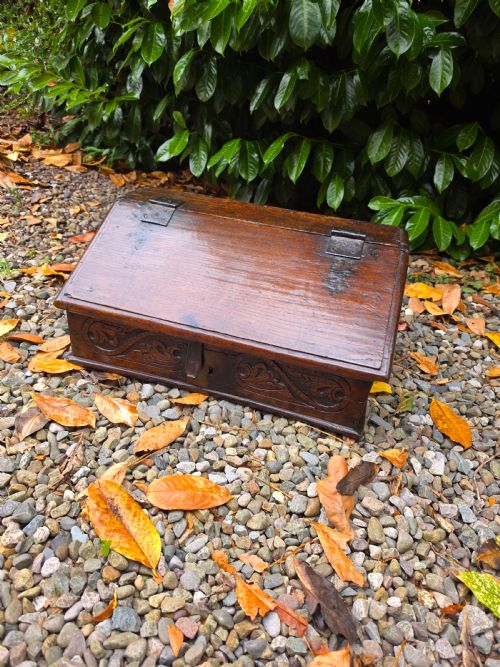


Jacobean Slant Front Desk
A jacobean slant front desk combines period gravitas with practical writing storage, offering hinged writing slopes and fitted interiors across multiple eras.
Jacobean Slant Front Desk
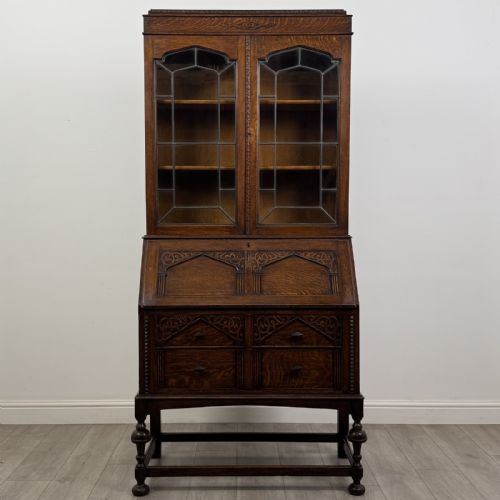
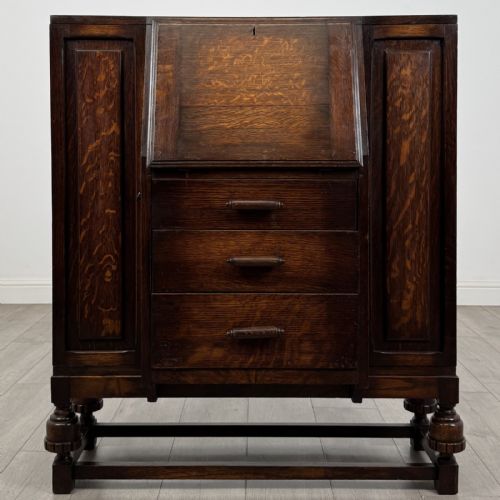
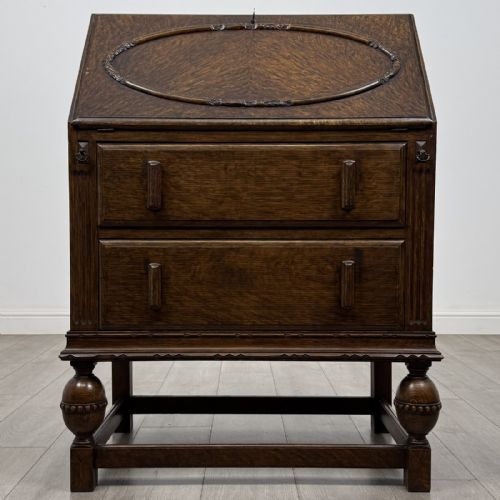
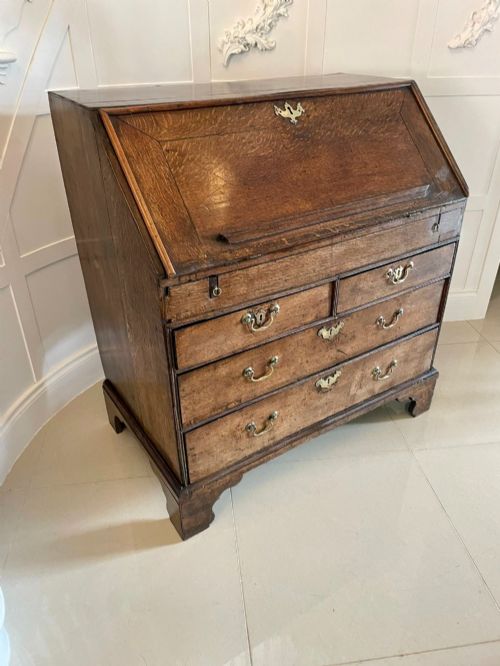
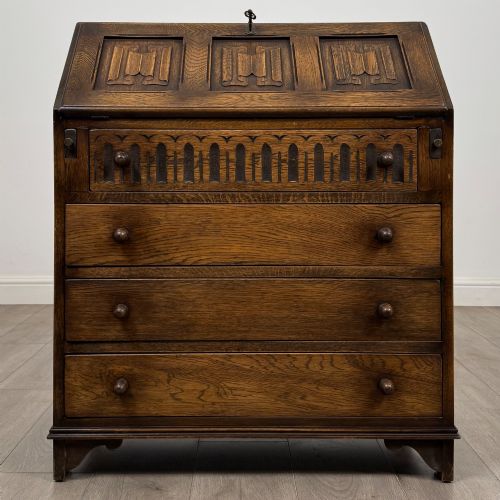
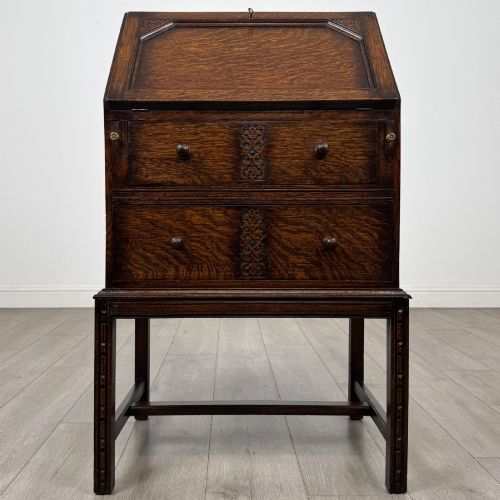
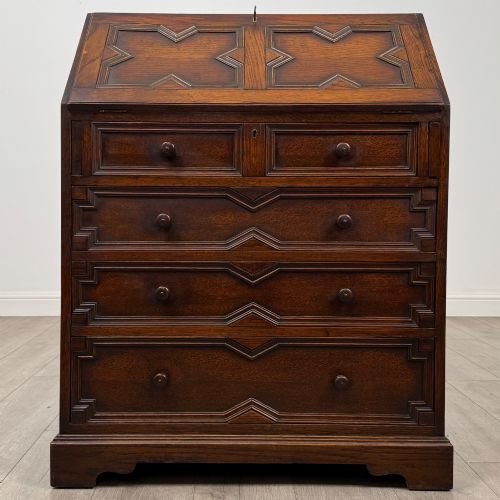
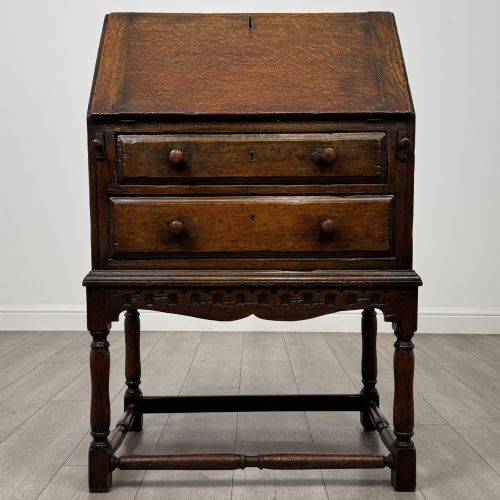
A jacobean slant front desk encompasses writing furniture spanning from seventeenth century examples to twentieth century revival pieces. Buyers encounter various formats on this page, including compact bureaus, bureau bookcases with glazed upper sections, and desk boxes on stands.
The nineteenth and twentieth centuries produced significant numbers of Jacobean revival desks, often utilising solid oak and oak veneer with carved details, linenfold panels, and barley twist legs. Seventeenth century vernacular pieces appear less frequently, showing simpler construction and early timber patination.
Forms range from small Edwardian writing desks with fitted interiors to larger bureau bookcases featuring side cupboards and glazed shelving. Each iteration provides a sloping writing surface that conceals pigeonholes, small drawers, and secret compartments.
What varies in quality
Construction methods and timber selection dictate the standing of individual pieces, separating standard revival production from superior cabinet work. Superior examples demonstrate thoughtful integration of fitted writing interiors, smooth operation of moving compartments, and well-figured timber grain.
Carving depth and execution differentiate the work of various periods, with seventeenth century vernacular items showing hand-tool characteristics distinct from twentieth century machine-finished revival pieces. The presence of original stands, balanced proportions, and intact brass fittings further distinguishes higher quality desks.
Jacobean Slant Front Desk Retail Price Guide 2026
Typical asking prices for jacobean slant front desk among the pieces listed under this phrase on Sellingantiques today, from the lower quarter to the upper quarter. They describe what is for sale here now, not the wider market.
Object forms include standard bureaus, bureau bookcases, desk boxes on stands, and writing desks with moving interiors.
The Jacobean Slant Front Desk Glossary
- Bureau
- A desk featuring a sloping hinged writing flap that opens to reveal a fitted interior of pigeonholes and small drawers.
- Slant front
- The angled writing surface characteristic of these desks that folds down for use and conceals the interior compartments when closed.
- Jacobean revival
- A nineteenth and twentieth century style that copies the heavy carved oak forms and architectural details of the early seventeenth century.
- Linenfold
- A style of carved wooden panelling used on cabinet doors and drawer fronts that resembles folded cloth.
- Barley twist
- A type of turned furniture leg shaped like a spiral rope, popular in seventeenth century design and later revival pieces.
Jacobean Slant Front Desk: Frequently Asked Questions
What is a jacobean slant front desk?
A jacobean slant front desk is a writing cabinet with an angled hinged flap that drops down to form a writing surface. These pieces feature fitted internal compartments for papers and stationery.
They range from authentic seventeenth century vernacular examples to twentieth century revival pieces influenced by early styles.
What is inside the slant front?
Opening the front reveals a fitted interior containing multiple small drawers, pigeonholes for letters, and occasionally concealed compartments. Some desks include moving internal elements or central locking doors.
This enclosed space provided secure storage for correspondence and writing materials in historical homes.
Where were these desks used?
These desks served as functional writing furniture in domestic libraries, studies, and reception rooms. Their enclosed fronts kept writing materials tidy when not in use.
Bookcase variants provided upper shelving for volumes while maintaining a lower writing station.