

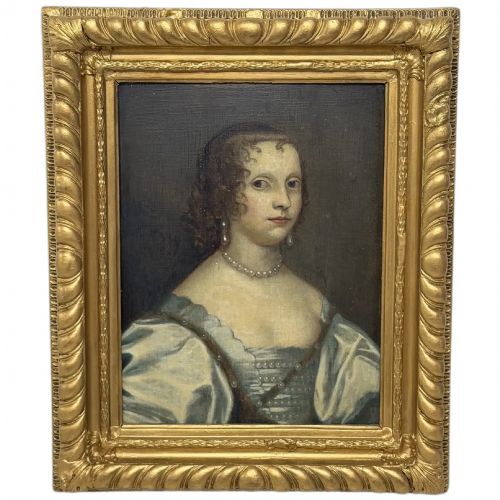


Jacobean Portrait Art
Jacobean portrait art brings serious early seventeenth-century presence into a room through oil on canvas or oak panel.
Jacobean Portrait Art
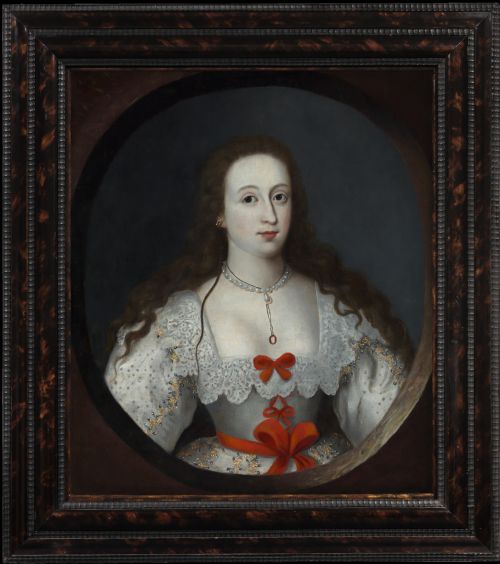
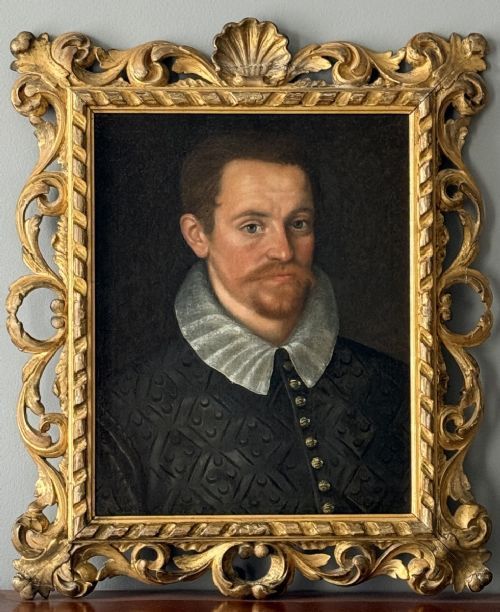
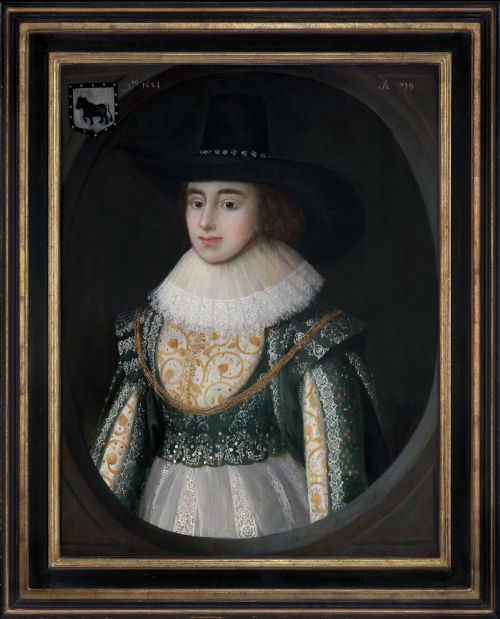
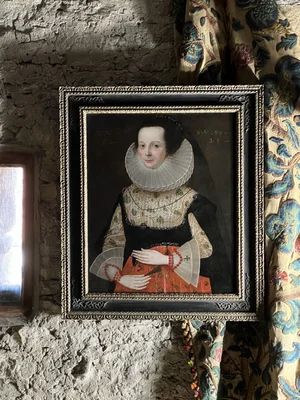
Jacobean portrait art captures subjects from the late sixteenth and seventeenth centuries, including nobility, literary figures, and ecclesiastical leaders rendered in oil paint. These works survive as oil paintings on canvas and oak panel, often housed within period gilded wood frames.
Most examples encountered on this page date to the seventeenth century or originate from nineteenth-century revivals depicting earlier subjects. Subjects range from named sitters like Lady Elizabeth Wheeler and Henry Frederick Prince of Wales to anonymous English school gentlemen in dark embroidered doublets and white ruffs.
Materials and Construction
Painters of this period applied oil paint directly onto stretched canvas or heavy oak panels, creating a rigid and durable support for detailed portraiture. The physical structure of these works relies on timber framing and heavy linen weaves characteristic of early workshop practices.
Jacobean Portrait Art Retail Price Guide 2026
Typical asking prices for jacobean portrait art among the pieces listed under this phrase on Sellingantiques today, from the lower quarter to the upper quarter. They describe what is for sale here now, not the wider market.
Sir Francis Drake shares gallery space here with an archbishop and a poet, proving that Elizabethan explorers and Jacobean literary critics make surprisingly good company.
Distinctions in Quality
Quality rests in the precision of facial modeling and the handling of textiles, where master painters captured the intricate lace of a ruff or the embroidery of a doublet with sharp fidelity. Circle works and attributed pieces demonstrate higher technical competence in anatomy and expression than anonymous provincial school paintings.
The integrity of the original oak panel or canvas support, alongside the survival of contemporary gilded wood framing, significantly influences the standing of a piece. Works associated directly with documented hands or well-recorded sitters carry distinct historical weight.
Cornelius Johnson·Abraham Van Blyenberch·John Bettes the Elder·George Perfect Harding
The Jacobean Portrait Art Glossary
- Panel painting
- A work executed on a rigid wooden support, typically oak in British works of this era, rather than fabric canvas.
- Ruff
- A prominent pleated white neck collar worn by both men and women during the late sixteenth and early seventeenth centuries.
- Circle of
- A designation indicating the work was produced by an artist closely associated with a named master, sharing a similar style and workshop environment.
- Attributed to
- A term used when an expert considers a piece to be by a given artist, though without absolute proof of authorship.
- English School
- A label applied to works produced by British artists whose specific individual identities remain unrecorded in historical documentation.
Jacobean Portrait Art: Frequently Asked Questions
What is Jacobean portrait art?
Jacobean portrait art consists of oil paintings created during the reigns of James I and Charles I, depicting the aristocracy, clergy, and notable figures of early seventeenth-century Britain.
These works emphasise stiff formal attire, flat lighting, and detailed costume rendering over naturalistic depth.
How do I identify a seventeenth-century portrait?
Identification relies on examining the costume details, such as elaborate ruffs, dark embroidered doublets, and rigid posture typical of the period from sixteen hundred to sixteen fifty.
Material analysis of the oak panel or canvas support and the handling of oil paint further confirm the age of the piece.
How should I hang these paintings?
These historical works require stable wall environments away from direct sunlight and sharp fluctuations in household temperature or humidity.
Pairing them with traditional gilded wood frames enhances their visual weight and suits them for study or formal living spaces.
What is the difference between panel and canvas?
Panel paintings use solid wooden boards, usually oak, which provide a rigid and heavy base that often survives centuries with minimal distortion.
Canvas supports offer flexibility and were stretched over wooden frames, becoming more common as the seventeenth century progressed.