




Jacobean Oak Hutch
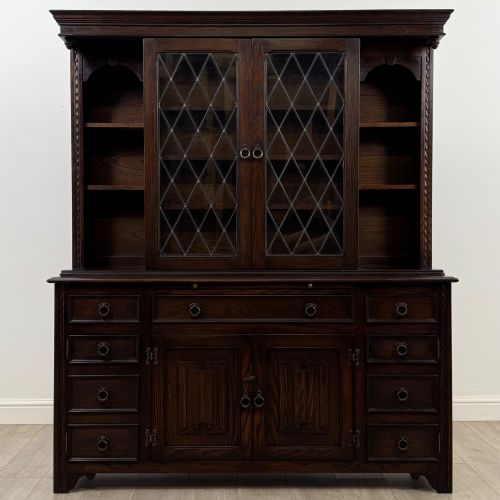
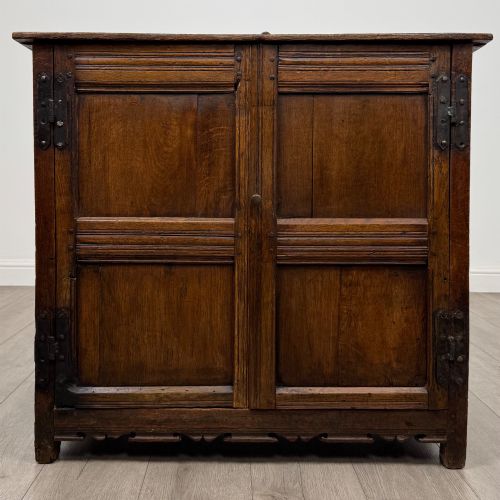
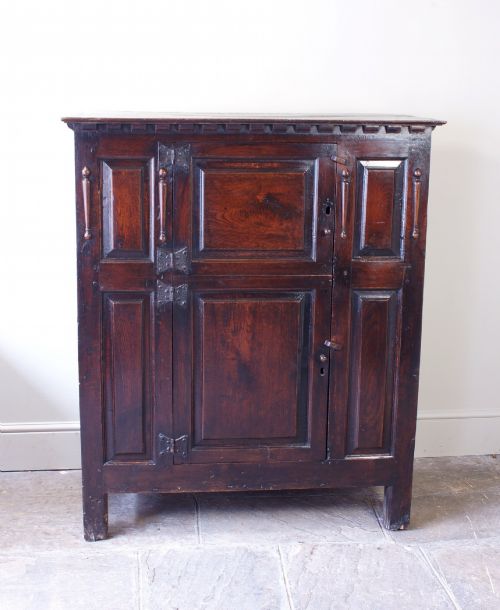
These jacobean oak hutch listings offer sturdy early timber storage, built to hold provisions or display household goods with genuine period character.
Jacobean Oak Hutch
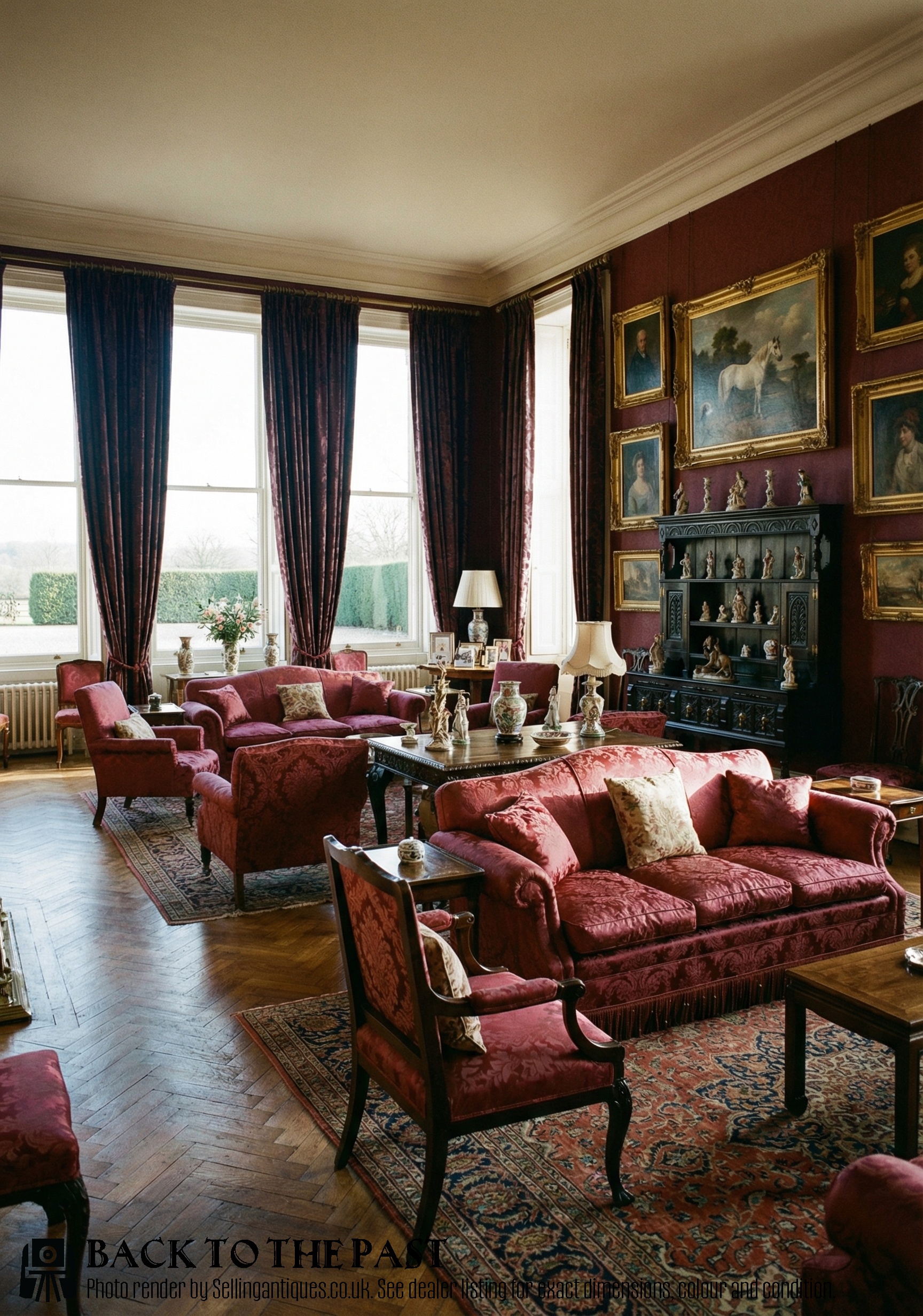
A jacobean oak hutch represents a sturdy form of early storage furniture, typically constructed from native English timber with panelled doors and enclosed upper or lower compartments. You will encounter pieces spanning from the seventeenth century down to later revival periods, reflecting both authentic early joinery and later interpretations of the style.
The selection ranges from small food cupboards and carved food court cabinets to larger dresser bases, bookcase combinations, and monastic benches incorporating storage compartments. While seventeenth-century originals appear alongside eighteenth-century examples and twentieth-century revival pieces from eras such as the nineteen-twenties, oak remains the primary material across the board.
Materials and construction methods
These items rely principally on solid oak, selected for its density and durability, assembled using traditional pegged mortise and tenon joints that allow the heavy timber to move naturally over centuries. Iron and brass fittings such as hinges, latches, and drawer pulls secure the doors and lids, while secondary elements occasionally incorporate leaded glass for display sections.
Surface ornamentation is achieved through hand carving, panel moulding, and geometric incisions directly into the timber rather than applied decoration. Early workshops shaped these woods with hand tools, leaving subtle tool marks that distinguish authentic period construction from later machine-finished revival furniture.
One seventeenth-century survival doubles as a sturdy chair-table, proving our ancestors liked their furniture to multitask long before modern apartments demanded it.
Assessing quality and authenticity
Quality in these pieces is determined by the integrity of the original timber and the survival of untouched surfaces, where genuine age shows through natural patination and wear. The precision of the joinery and the depth of hand-carved details separate superior examples from later, more commercial revival pieces.
Proportion and balance also define the better items, as skilled makers created harmonious relationships between the heavy cornices, panelled doors, and sturdy bases. Alterations, replaced boards, or mismatched hardware diminish the historical consistency of a piece, whereas a cohesive structure retains its intended character.
The Jacobean Oak Hutch Glossary
- Hutch
- A box-like storage cabinet or cupboard, often raised on legs or enclosed at the base, used historically for food or valuables. The term describes various enclosed storage forms found in early domestic interiors.
- Mortise and tenon
- A traditional woodworking joint where a projecting tongue fits snugly into a corresponding cavity, secured with wooden pegs. This method provides the structural strength seen in early cabinetwork.
- Geometric carving
- Surface decoration formed by shallow, angular cuts arranged in repeating patterns such as triangles, lozenges, or strapwork. This style is characteristic of seventeenth-century English woodwork.
- Patina
- The deep, lustrous surface sheen developed on wood through decades of handling, polishing, and exposure to light. It serves as a key indicator of age and continuous use.
- Livery cabinet
- A ventilated cupboard historically used for storing food provisions or rations away from pests. These tall cabinets often feature pierced or panelled doors for air circulation.
Jacobean Oak Hutch: Frequently Asked Questions
What is a jacobean oak hutch used for?
These cabinets were originally designed to store household provisions, linens, or valuables safely off the stone floors of early homes. Today they function well as decorative storage furniture in dining rooms, hallways, or living spaces.
Their enclosed compartments and sturdy tops provide practical surfaces for display while keeping everyday items out of sight.
How do I date an oak hutch?
Dating relies on examining the construction methods, tool marks, and hardware integrated into the piece. Hand-pegged joints and irregular hand-sawn boards typically indicate earlier seventeenth or eighteenth-century origin.
Revival pieces from the twentieth century often display more uniform machine cutting and standardised fixings despite adopting older stylistic motifs.
Are these pieces made entirely of solid oak?
Most listings consist predominantly of solid oak timber, chosen for its strength and availability in British cabinetmaking. Secondary woods or internal partitions may occasionally vary depending on the specific period of manufacture.
Metal fittings like iron hinges and brass pulls complement the heavy wooden structure.
How should I care for vintage oak furniture?
Solid oak benefits from stable room environments away from direct heat sources and dramatic humidity fluctuations that can cause timber to split. Regular dusting with a dry cloth and occasional application of appropriate beeswax helps maintain the natural finish.
Avoid modern silicone polishes which can build up and alter the historic surface over time.