

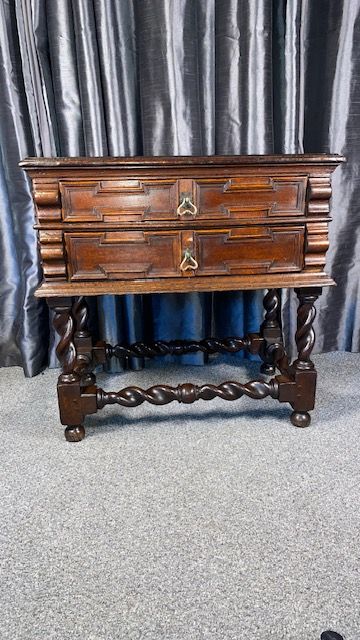
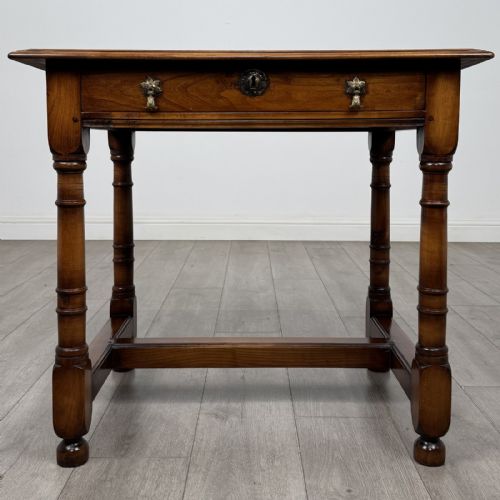
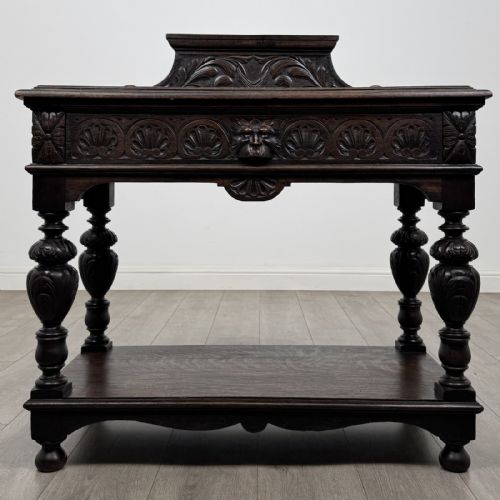
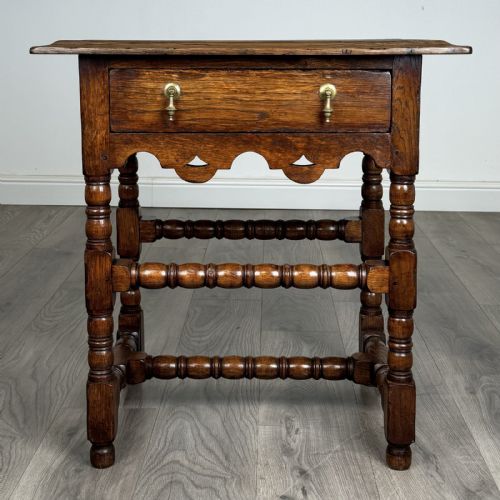


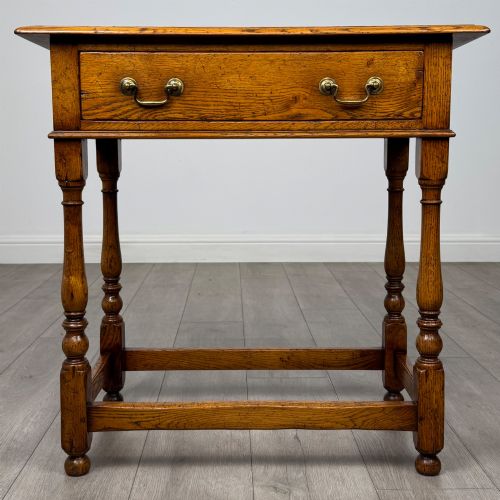
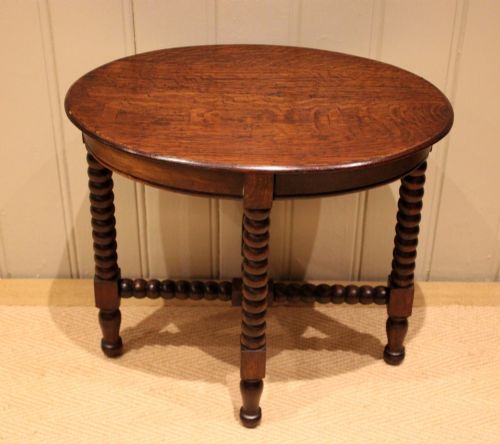
Jacobean Lamp Table
A jacobean lamp table brings sturdy timber and historic turning into a modern room, serving as a steadfast surface for lighting and daily use.
Jacobean Lamp Table
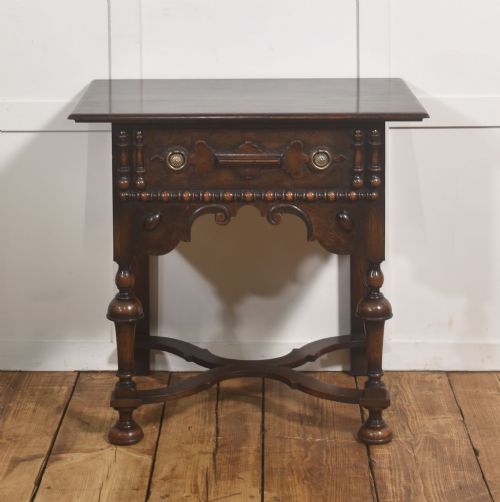
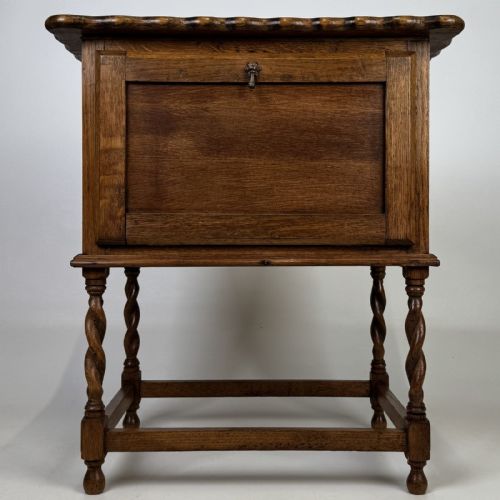
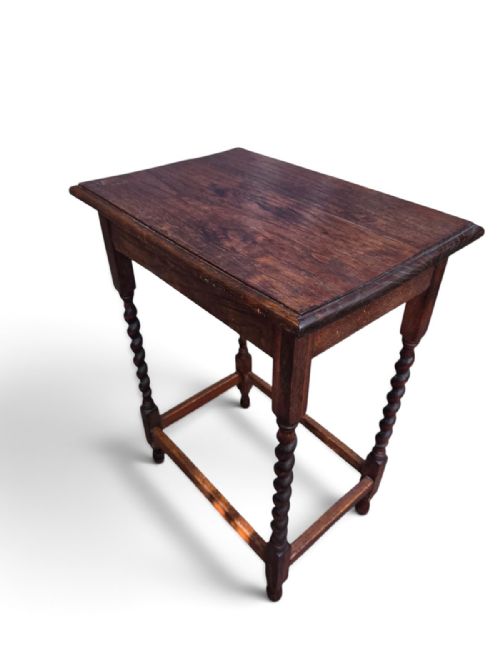
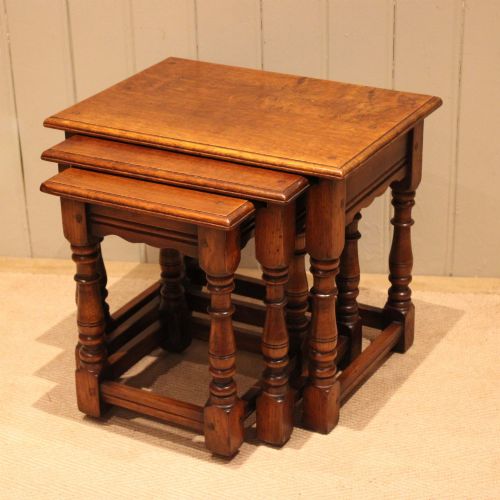
A jacobean lamp table takes the form of a compact wooden stand, often utilised for illumination or as an occasional surface beside seating. These pieces span centuries of production, appearing in genuine seventeenth-century iterations alongside later revivals from the Victorian, Edwardian, and twentieth-century periods.
The versions most frequently encountered on this page originate from the Edwardian era and the nineteen-twenties, adopting earlier styles for domestic use. Makers built these tables primarily as side, occasional, or centre pieces, keeping footprints small to fit narrow spaces.
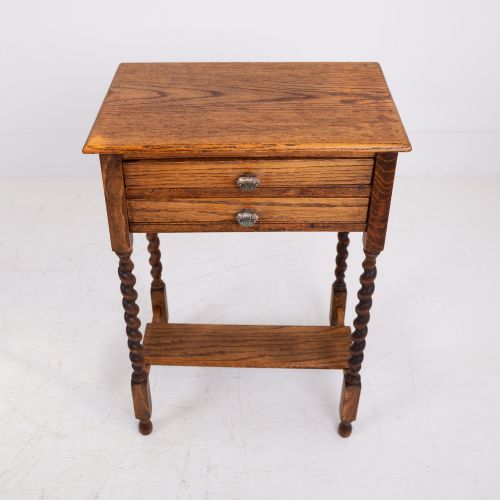
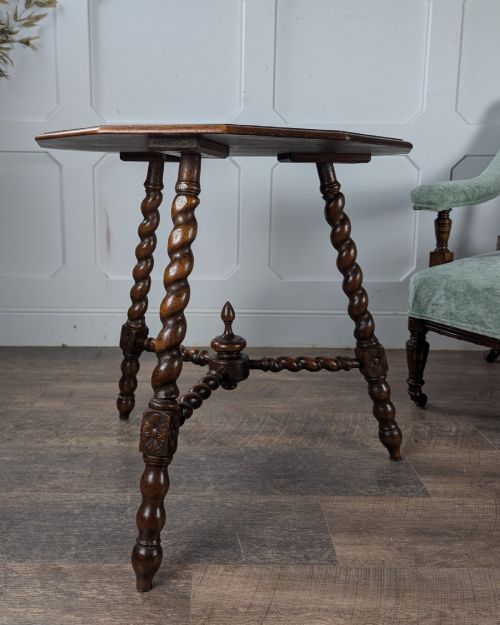
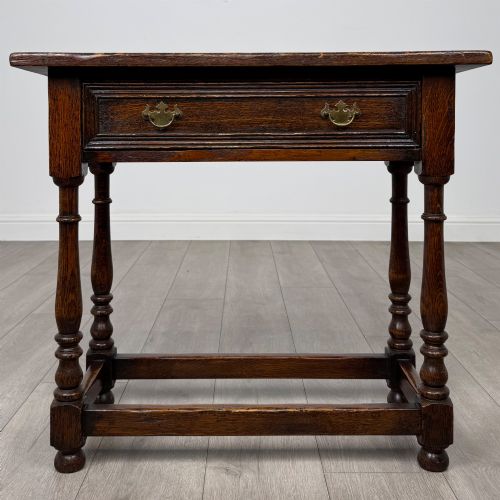
Forms range from simple rectangular tops to hexagonal shapes and nested sets, occasionally incorporating drawers or low shelves. Oak dominates the selection, appearing alongside fruitwood and yew wood to create serviceable furniture with historic character.
Distinctions in Quality
The standard of a jacobean lamp table rests primarily on the crispness of its carved ornament and the precision of its turned members. Finer examples display deep, sharp hand-carving on the frieze and legs, whereas simpler pieces rely on basic machine shaping or plain timber surfaces.
Timber selection further separates ordinary production from superior examples, with dense, figured oak and well-matched grain elevating a piece. The integration of functional elements, such as smoothly operating drawers and stable joints, marks the difference between utilitarian items and accomplished cabinet work.
Jacobean Lamp Table Retail Price Guide 2026
Typical asking prices for jacobean lamp table among the pieces listed under this phrase on Sellingantiques today, from the lower quarter to the upper quarter. They describe what is for sale here now, not the wider market.
Listings demonstrate a strong preference for oak, supported by occasional examples in fruitwood, yew wood, brass, and metal.
The Jacobean Lamp Table Glossary
- Barley Twist
- A cylindrical furniture leg or column carved in a continuous helical spiral resembling a twisted rope. This turned detail appeared frequently on seventeenth-century furniture and saw widespread revivals during the Victorian and Edwardian eras.
- Bobbin Turning
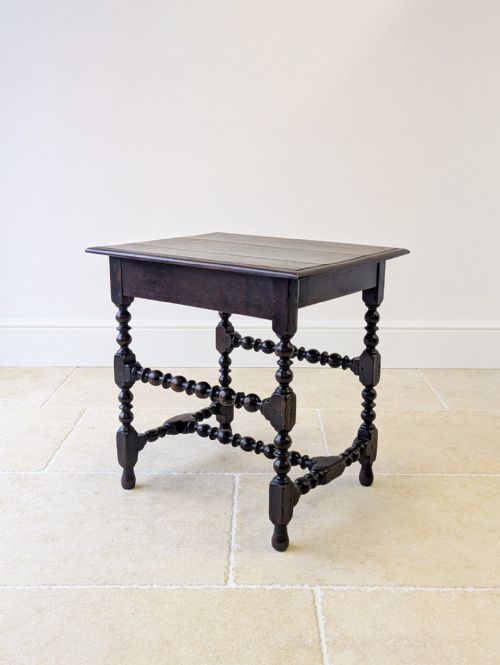
- A method of lathe work that produces a series of rounded, spool-like shapes strung end to end along a wooden shaft. This technique created sturdy supports for early tables and later inspired revivalist designs.
- Occasional Table
- A small, movable table designed to serve transient purposes in a sitting room or hallway. These pieces provide convenient surfaces for lamps, books, or decorative objects without dominating a room.
- Green Man Mask
- A sculptural architectural motif depicting a human face emerging from or entwined with foliage and vines. Carvers applied this symbol of rebirth to furniture panels and table friezes during revival periods.
Jacobean Lamp Table: Frequently Asked Questions
Are these tables sturdy enough for daily use?
Solid timber construction and traditional joinery make these pieces remarkably robust for everyday placement in a home. Their compact proportions help distribute weight evenly across the frame.
Most examples handle regular placement of lamps, books, and cups without difficulty. Placing them on level floors prevents unnecessary strain on the joints over time.
How do I distinguish a seventeenth-century piece from a revival?
Original period pieces display hand-tooled joinery marks, peg construction, and natural timber oxidation accumulated over centuries of use. The wood density and wear patterns differ noticeably from later workshop practices.
Revival pieces, common from the Victorian and Edwardian eras, often utilise machine-cut elements and standardised hardware. Examining the underside and interior surfaces usually reveals the manufacturing techniques of the later period.
How should I care for a historic oak surface?
Maintaining an antique oak surface requires simple dusting with a soft, dry cloth and occasional application of traditional beeswax. Avoid modern silicone polishes that can build up and dull the timber over time.
Keeping tables away from direct heat sources and strong sunlight preserves the natural moisture of the wood. Consistent indoor humidity prevents the solid timber from splitting or warping.