



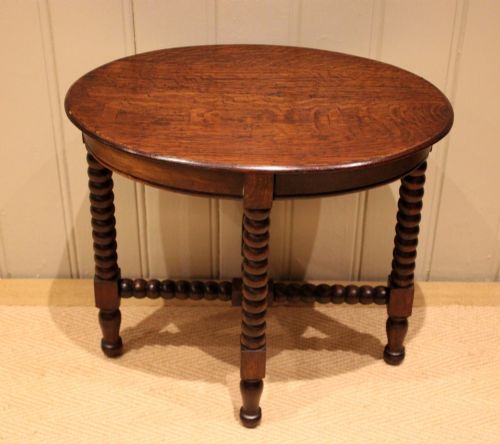


Jacobean Coffee Table
A jacobean coffee table brings solid timber grain and sturdy turned supports into a modern sitting room.
Jacobean Coffee Table
A jacobean coffee table is most frequently found in the form of early twentieth-century revivals, alongside occasional pieces adapted from older formats.
The inventory on this page spans solid oak, walnut, yew wood, and mahogany, shaped into low side tables, gateleg tables, and nests.
While genuine seventeenth-century examples appear, buyers encounter Edwardian and interwar reinterpretations with greater frequency.
Materials and construction methods
Carpenters relied principally on oak, supplemented by walnut, mahogany, and yew wood for distinct grain patterns and colour.
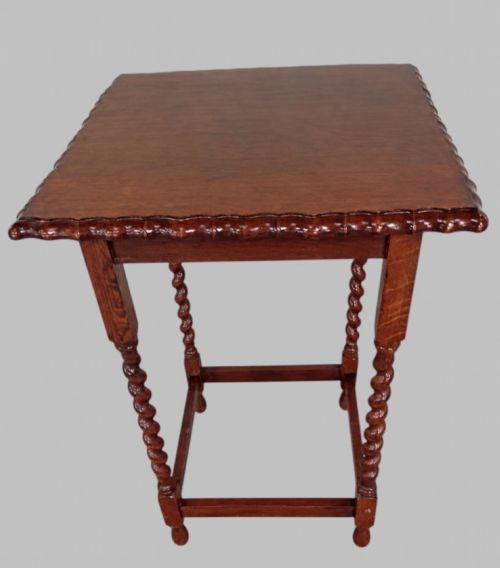
Turned elements such as barley twists and bulbous legs provide structural support while displaying traditional woodworking techniques.
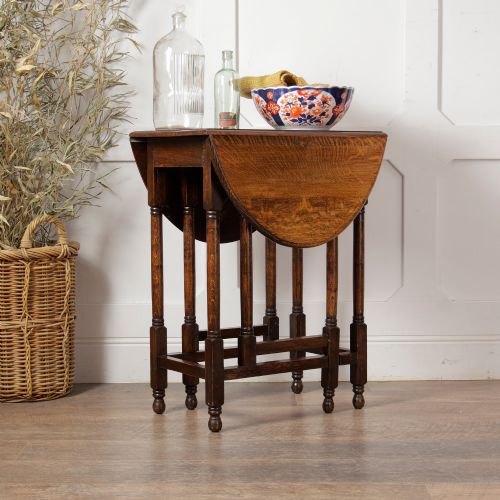
Joinery techniques include pegged joints and drop-leaf mechanisms, allowing tables to adapt to domestic spaces.
Jacobean Coffee Table Retail Price Guide 2026
Typical asking prices for jacobean coffee table among the pieces listed under this phrase on Sellingantiques today, from the lower quarter to the upper quarter. They describe what is for sale here now, not the wider market.
The listings show a strong preference for oak, appearing across gateleg, nest, and occasional table formats from the Edwardian period onward.
Distinguishing quality in older timber tables
The standard of timber selection and the depth of natural grain determine the visual weight of the piece.
Hand-carved details and the crispness of turned legs separate ordinary production from superior craftsmanship.
The integrity of the structural joints and the warmth of the polished finish dictate longevity and daily utility.
The Jacobean Coffee Table Glossary
- Jacobean Revival
- A nineteenth and twentieth-century style imitating the heavy, dark furniture of the early seventeenth century. It utilises distinctive turning and rectangular panels.
- Barley Twist
- A spiral turning resembling a twisted rope, carved into furniture legs and uprights. This decorative feature became popular during the seventeenth century and returned in Edwardian revivals.
- Gateleg Table
- A table with hinged flaps supported by swing legs that pull out like a gate. This design saves floor space when leaves are dropped.
- Quartetto Nest
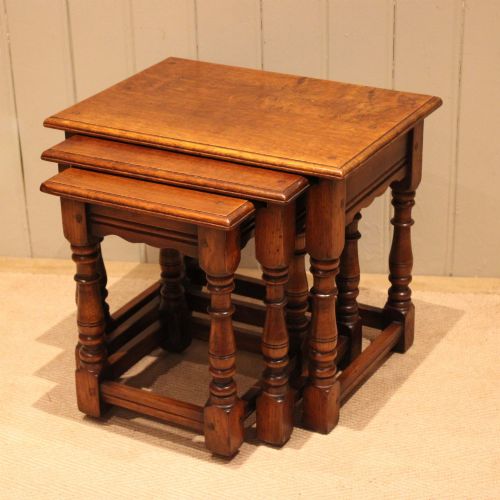
- A set of four graduating tables that slide neatly beneath one another. The Victorian and Edwardian periods produced these space-saving sets in walnut and oak.
Jacobean Coffee Table: Frequently Asked Questions
Are these tables genuinely from the seventeenth century?
Most pieces found here date from the Edwardian era or the 1920s and 1930s, constructed in the revived style rather than the original period.
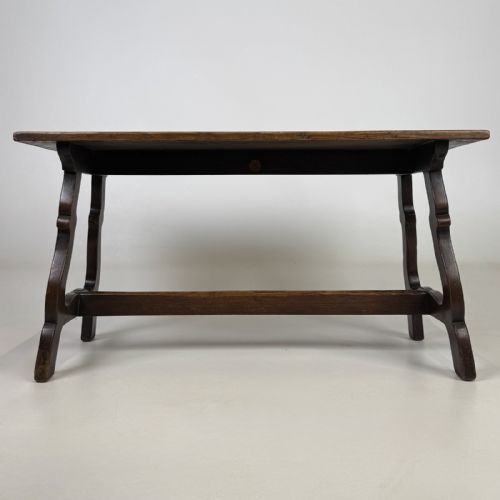
True seventeenth-century examples do occur, but they are considerably scarcer and usually originate as tavern or refectory tables before later conversion.
How do I maintain an oak coffee table?
Regular dusting with a dry cloth keeps the surface clean, while occasional application of beeswax preserves the timber without creating buildup.
Avoid placing timber directly beside heat sources to prevent the wood from drying out and splitting over time.
How do I identify barley twist legs?
Barley twist legs feature a spiral carved timber shaft that twists upward like a rope, catching the light across its curved surfaces.
This turning technique appears frequently on Edwardian and 1920s occasional tables inspired by earlier seventeenth-century joinery.