




Jacobean Carved Oak Hutch
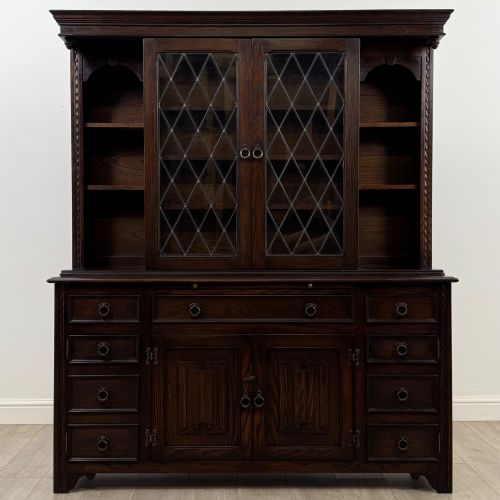
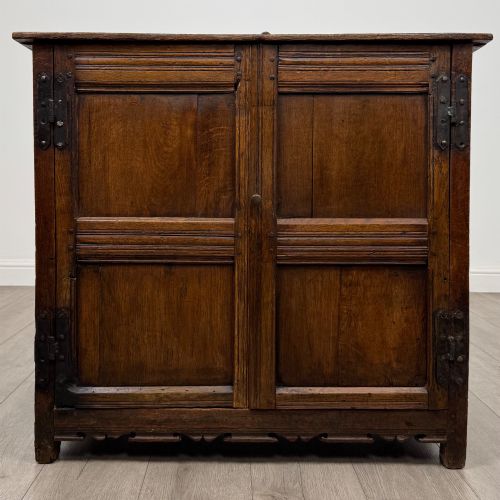
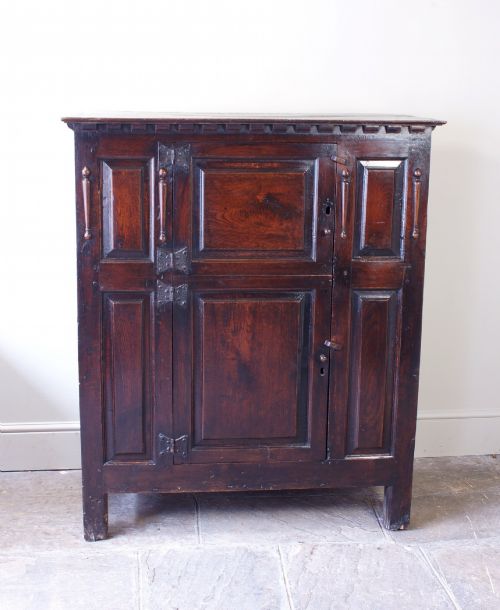
These jacobean carved oak hutch pieces offer robust seventeenth-century timber storage, built to organise household goods with enduring strength.
Jacobean Carved Oak Hutch
A jacobean carved oak hutch sits within a varied group of historical storage furniture, including cupboards, dressers, and monks benches. Buyers seeking this form encounter solid oak construction spanning the seventeenth century up to twentieth-century revivals.
How they were made
These items rely on solid oak boards assembled with traditional joinery methods, such as mortise and tenon frames secured by wooden pins. Carvers ornamented the timber surfaces by hand using gouges and chisels to create geometric patterns and figural motifs.
Hardware elements like brass and iron hinges, handles, and leaded glass panes appear on later or adapted cabinetry. The primary structure remains heavy oak, finished through centuries of handling and polishing.
Materials recorded across the selection include solid oak, wrought iron, brass, and leaded glass.
What varies in quality
The distinction between items rests in the depth and sharpness of the hand carving, alongside the proportion of original timber retained during repairs. Crisp geometric detailing and well-balanced proportions separate superior examples from simpler utilitarian cupboards.
Surface patination and the integrity of the original joints dictate the historical value of older pieces. Later revivals vary according to the fidelity of their construction methods and the quality of the selected oak boards.
The Jacobean Carved Oak Hutch Glossary
- Hutch
- A cabinet or cupboard enclosed by doors, used originally for storing provisions or valuables. It forms the core storage typology found in early vernacular furniture.
- Geometric Carving
- Ornamental surface work cut directly into the timber, featuring patterns like lozenges, triangles, and strapwork. This style defines much of the decorative vocabulary seen on seventeenth-century oak furniture.
- Monks Bench
- A multifunctional seating item with a pivoting back that converts into a flat table top over a storage box base. It shares the heavy oak material and period styling of related hutches.
- Patina
- The surface sheen and colour developed by aged timber through decades of handling, light, and waxing. It serves as an indicator of genuine age and continuous use.
Jacobean Carved Oak Hutch: Frequently Asked Questions
What is a jacobean carved oak hutch?
A jacobean carved oak hutch is a sturdy wooden storage cabinet decorated with period geometric patterns and relief carving. These pieces evolved from early utility furniture into prized architectural items.
They provide enclosed space behind panelled doors, often featuring regional British characteristics and heavy timber frames.
How do I tell seventeenth-century pieces from later revivals?
Original seventeenth-century pieces display authentic tool marks, hand-carved details, and pegged joinery that reflect period construction methods. The timber exhibits deep patination accumulated over hundreds of years.
Twentieth-century revival pieces, such as those from the nineteen-twenties or thirties, show more uniform machining and lighter wear patterns despite using traditional styles.
How should I care for oak furniture?
Oak furniture benefits from stable indoor humidity levels and protection from direct sunlight to prevent timber splitting. Regular dusting with a soft cloth preserves the dry wax finish.
Avoid placing these heavy items near direct heat sources, which can dry out the historic oak boards and cause structural stress.
Where were these hutches used in a home?
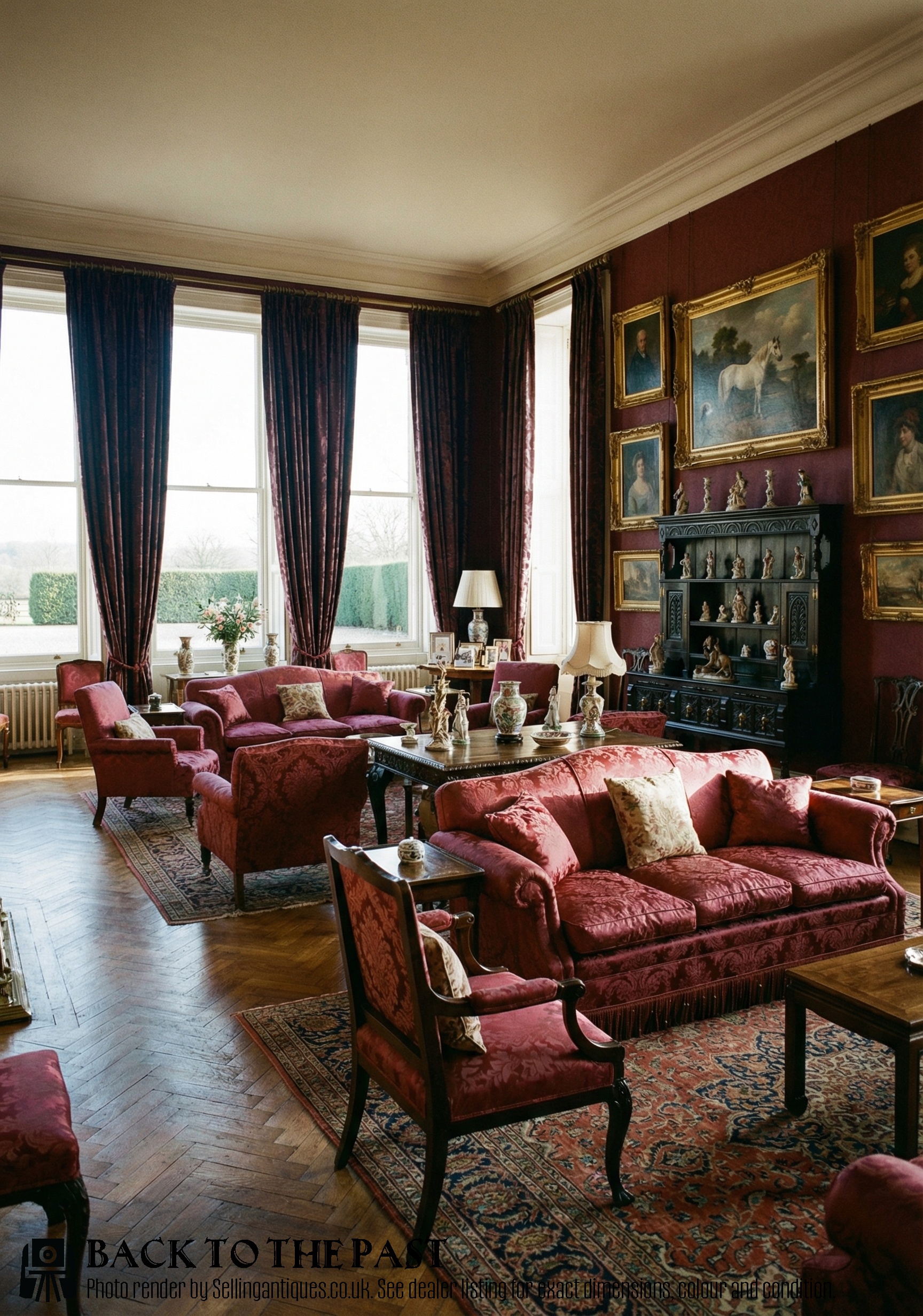
Historically, these hutches stood in principal rooms like the hall or parlour to store household textiles, documents, and dry goods. Their imposing presence made them central functional fixtures.
In modern interiors, they serve as focal points for display and storage in dining rooms, hallways, or living spaces.