




Jacobean Architectural Salvage
Jacobean architectural salvage brings authentic seventeenth-century craft into modern rooms through heavy oak carvings, panels, and hardware.
Jacobean Architectural Salvage
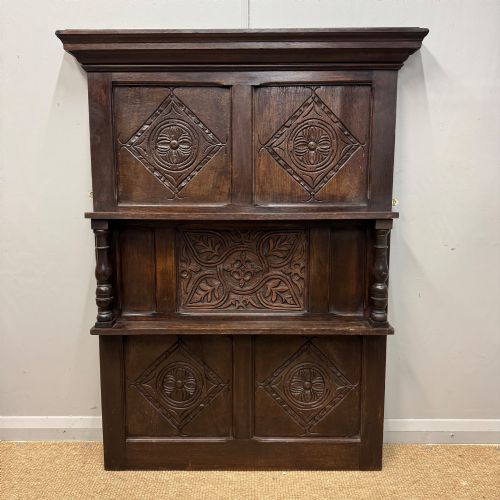
Jacobean architectural salvage comprises timber elements, ironwork, and decorative fragments originating primarily from the seventeenth century alongside later nineteenth-century interpretations. These pieces take the form of carved oak panels, overmantels, friezes, newel post finials, and functional door hardware.
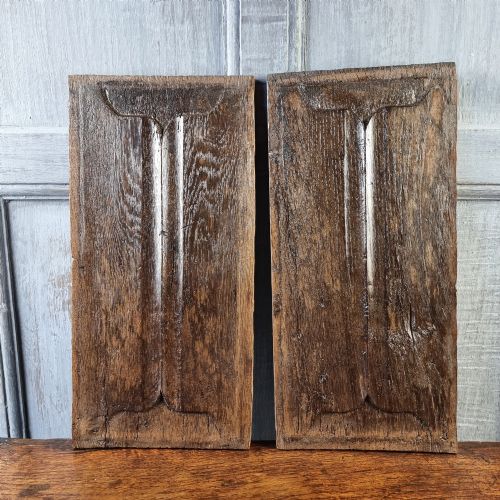
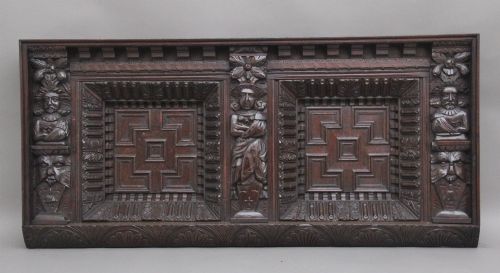
The objects on this page include genuine seventeenth-century oak carvings and linenfold panels, as well as nineteenth-century overmantel panels. Buyers find structural and decorative remnants that once formed parts of larger domestic interiors.
Originating from the sixteenth, seventeenth, and nineteenth centuries, these survivals demonstrate the enduring weight of dark oak and wrought iron. Each piece offers a tangible fragment of historic joinery and domestic architecture.
Materials and construction methods
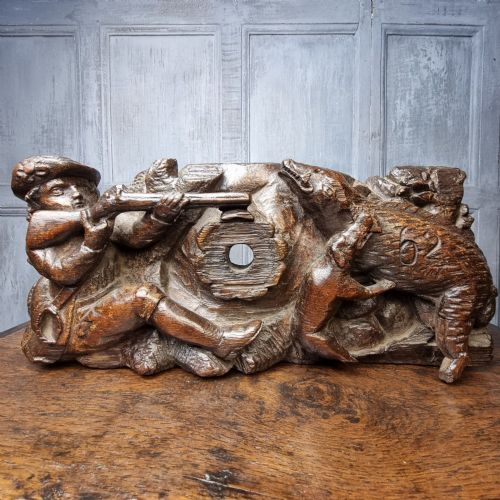
The material foundation across these pieces is solid oak, frequently described as dark oak, worked by hand into deep reliefs and linear patterns. Artisans utilised traditional joinery techniques to shape structural timbers and decorative panels.
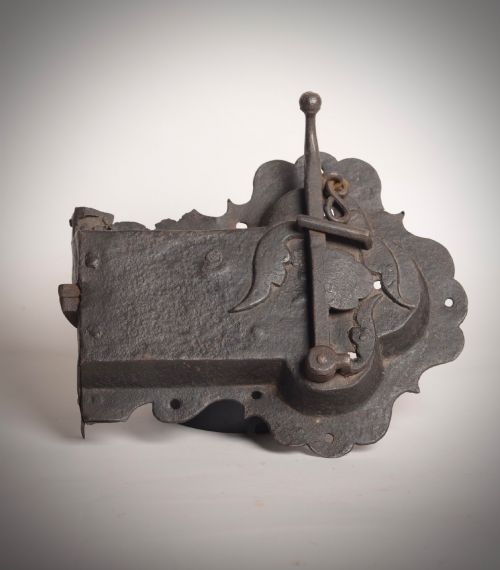
Metal elements incorporate wrought iron, seen specifically in functional items like decorative rim locks that secure doors with mechanical precision. Surface treatments extend to polychrome paint on select wooden surfaces, adding colour to carved figures and floral motifs.
Jacobean Architectural Salvage Retail Price Guide 2026
Typical asking prices for jacobean architectural salvage among the pieces listed under this phrase on Sellingantiques today, from the lower quarter to the upper quarter. They describe what is for sale here now, not the wider market.
Listings span the sixteenth, seventeenth, and nineteenth centuries, dominated by solid oak and wrought iron forms.
Factors of distinction
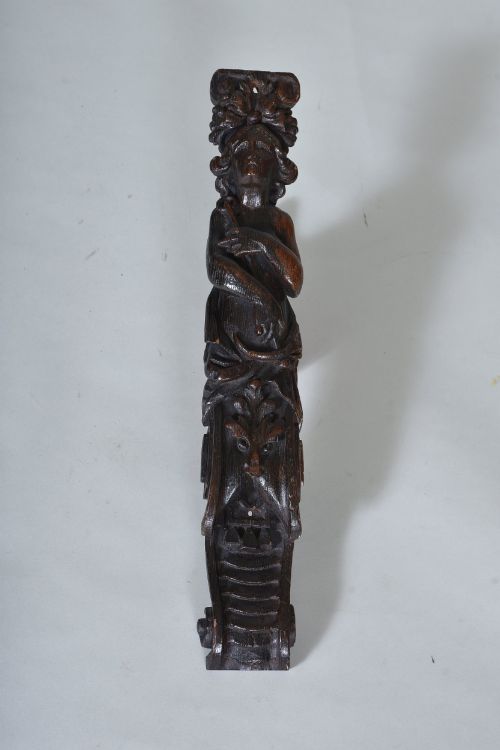
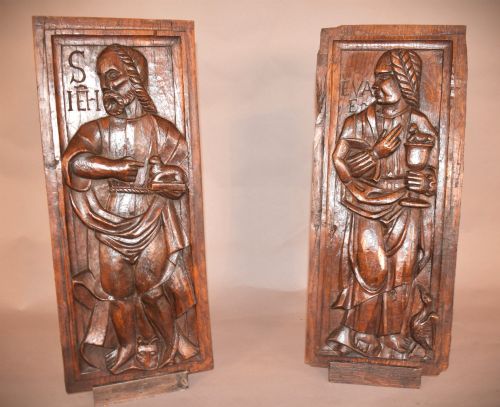
Depth and clarity of hand-carving separate standard timber panels from exceptional figural works involving caryatids, cherubs, and heraldic armorials. The crispness of the chisel work dictates the visual impact of each relief and frieze.
Integrity of period material and the presence of later alterations distinguish seventeenth-century originals from nineteenth-century interpretations. Pieces combining early construction with untouched surface patination hold distinct character.
Edward Pearce
The Jacobean Architectural Salvage Glossary
- Linenfold
- A style of wood panel carving resembling folded cloth or linen. It is commonly found on sixteenth and seventeenth-century panels.
- Overmantel
- A decorative panel or framework placed directly above a fireplace mantel. These often feature extensive carved oak detailing.
- Rim lock
- A mechanical door lock housed in a metal box attached to the surface of a door rather than mortised inside. Seventeenth-century examples display robust wrought iron construction.
- Caryatid
- A sculpted female figure serving as an architectural support in place of a column. They appear in carved woodwork from the period.
- Newel post finial
- The decorative ornamental cap crowning the primary vertical post at the turn of a staircase. These often take figurative forms such as carved lions.
Jacobean Architectural Salvage: Frequently Asked Questions
What is Jacobean architectural salvage?
Jacobean architectural salvage consists of historic building fragments, primarily carved oak panels, friezes, and iron hardware dating from the seventeenth century and later periods.
These elements were rescued from older buildings during alterations or demolition, preserving early joinery and sculptural woodwork for contemporary display.
How were carved panels used originally?
Carved oak panels and friezes formed part of interior wall panelling, overmantels above fireplaces, and decorative elements on staircases within substantial homes.
They provided both insulation and visual splendour, demonstrating the status and wealth of the property owner through intricate woodwork.
How do I mount a heavy oak panel?
Heavy oak panels and overmantels require secure fixing directly into structural wall studs or masonry using appropriate metal brackets and heavy-duty fixings.
Given the substantial weight of seventeenth-century oak, professional installation ensures the salvage is supported safely without damaging the historic timber.
How can I tell a seventeenth-century piece apart?
Seventeenth-century pieces display the tool marks, timber shrinkage, and dark patination characteristic of early hand-worked oak and historic joinery methods.
Comparisons with nineteenth-century revivals reveal differences in wood density, carving depth, and the specific style of the decorative motifs employed.