
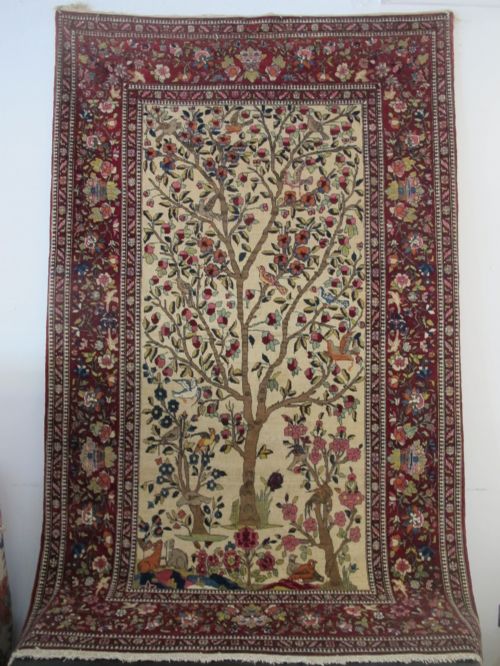


Ivory Wool Persian Rug
An ivory wool persian rug brings historic warmth and intricate regional patterns into a room, offering durability alongside centuries of weaving tradition.
Ivory Wool Persian Rug
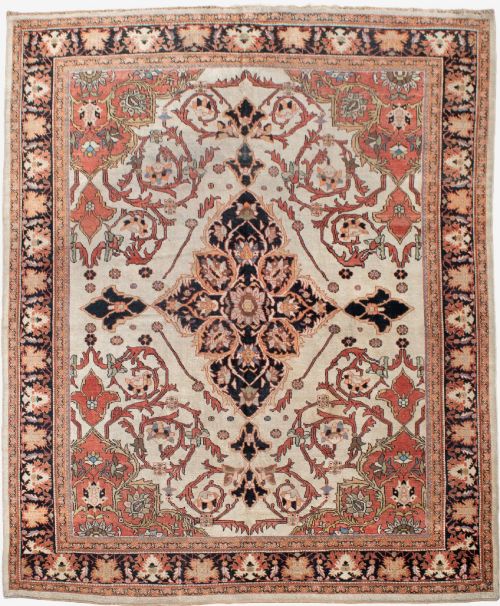
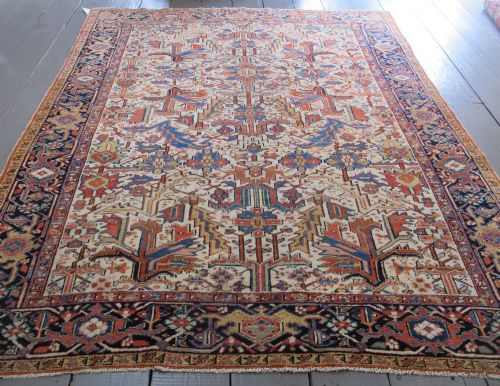
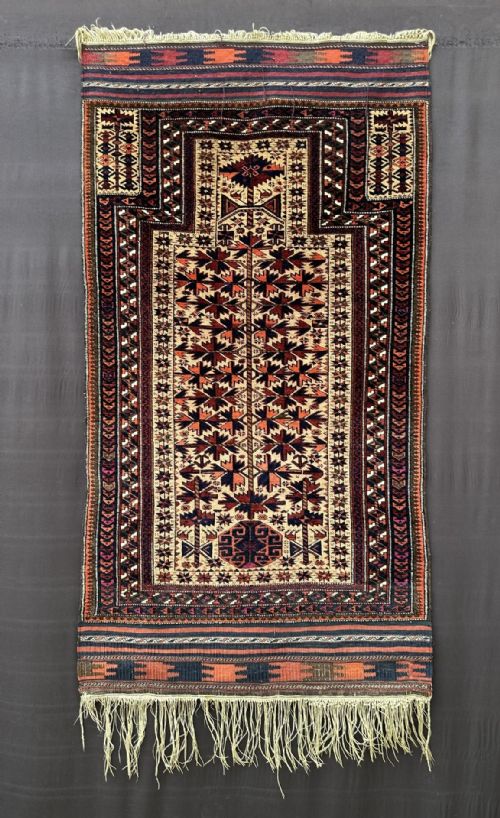
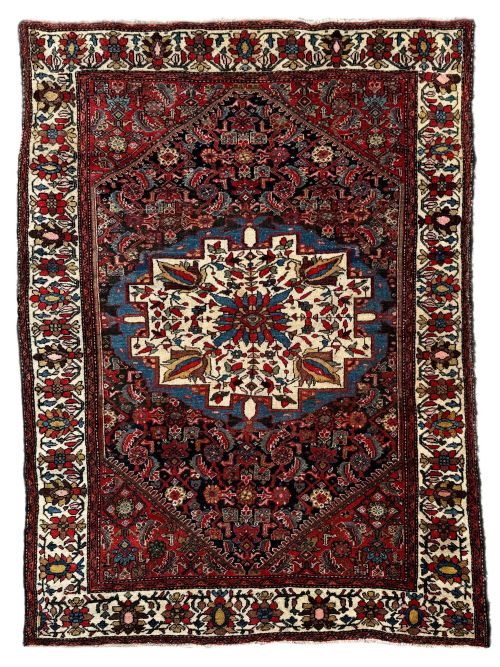
An ivory wool persian rug encompasses floor coverings originating from diverse weaving centres across Persia, spanning the late nineteenth and early twentieth centuries. These pieces appear in varied formats, including area rugs, roomsize carpets, runners, and prayer rugs produced by distinct regional workshops and tribes.
The selection frequently highlights ivory ground variations alongside traditional Persian styles such as Heriz, Mahal, Tabriz, and Kashan. Buyers encounter both village pieces and workshop carpets showcasing traditional medallions, floral motifs, and tribal symbolism.
Materials and construction
Weavers utilised natural materials, predominantly combining wool foundations and pile with cotton warps and occasional silk highlights. Hand-spun wool provided the sturdy structure necessary for daily domestic use.
Makers applied natural dyes to achieve enduring regional palettes, ensuring the characteristic ivory grounds and contrasting border details retained their depth over generations of wear.
Listings feature rugs and carpets dated from the nineteenth century through the 1930s, incorporating wool, cotton, silk, and natural dyes.
Assessing craftsmanship
Quality rests in the precision of knot density and the finesse of the design execution across the field and borders. Finer workshop pieces display exacting symmetry in complex medallions, whereas village and tribal examples showcase expressive spontaneity.
The choice of materials also dictates the standard, with superior hand-spun wool and well-preserved natural dyes enhancing the tactile depth and longevity of the textile.
The Ivory Wool Persian Rug Glossary
- Medallion
- A central ornamental motif dominating the field of the rug. This design element often dictates the geometric or floral layout of the surrounding corners.
- Warp
- The vertical threads stretched lengthwise on the loom before weaving begins. These foundational threads form the fringe at either end of the finished piece.
- Weft
- The horizontal threads passed alternately over and under the warp threads to bind the knots in place. They provide structural stability across the width of the textile.
- Pile
- The upright cut ends of the knotted yarn that form the usable surface of the rug. Its height and density determine the softness and durability underfoot.
- Natural Dyes
- Colourants derived from plant, insect, and mineral sources rather than synthetic chemicals. They age gracefully, developing a soft patina over decades.
Ivory Wool Persian Rug: Frequently Asked Questions
How do I clean an antique rug?
Professional dusting and specialised washing are essential to preserve the fragile wool fibres and natural dyes. Avoid harsh chemical treatments and heavy moisture.
Regular gentle suction without a rotating brush helps remove surface debris without straining the vintage foundation.
Where were these rugs made?
Production centres span various Persian cities, towns, and tribal territories, including Tabriz, Isfahan, Heriz, and regions inhabited by nomadic confederations like the Qashqa'i and Baluch.
Each area developed distinct weaving techniques, colour palettes, and iconic motifs reflective of local traditions.
Can I place these in high traffic areas?
Sturdy wool construction and robust cotton foundations allow many traditional village and workshop carpets to withstand moderate foot traffic in living rooms and halls.
Using a quality rug underlay prevents slipping and cushions the fibres against premature wear on hard flooring.
How do I identify the regional style?
Stylistic clues include the geometry of the central medallions, the specific floral or tribal border motifs, and the characteristic colour combinations used by distinct weaving groups.
Reference materials detailing regional workshop signatures and tribal patterns help differentiate between city carpets and village productions.