

Italian Wooden Furniture
These pieces of italian wooden furniture combine rich walnut and cherry with carved detail, offering functional storage and seating rooted in centuries of tradition.
Italian Wooden Furniture
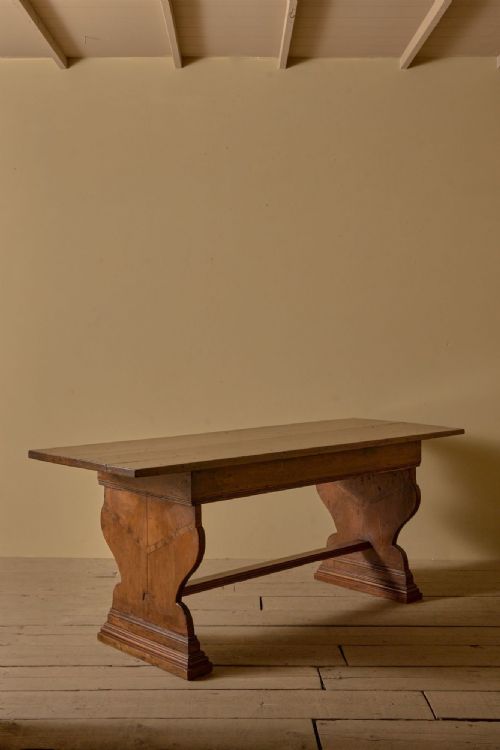
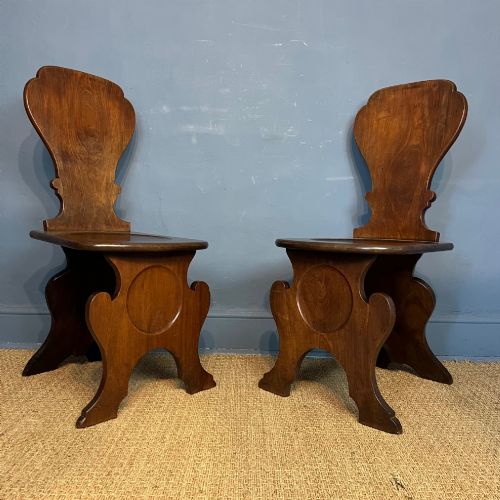
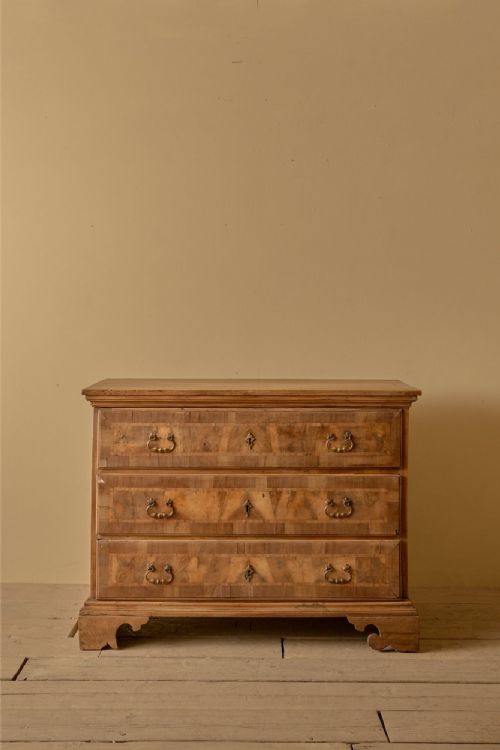
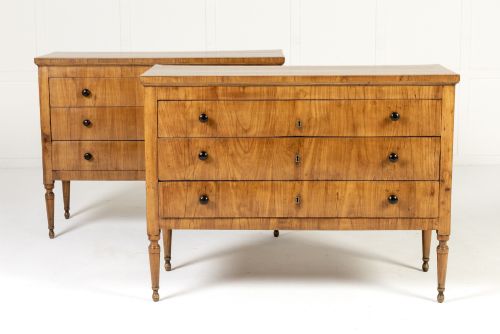
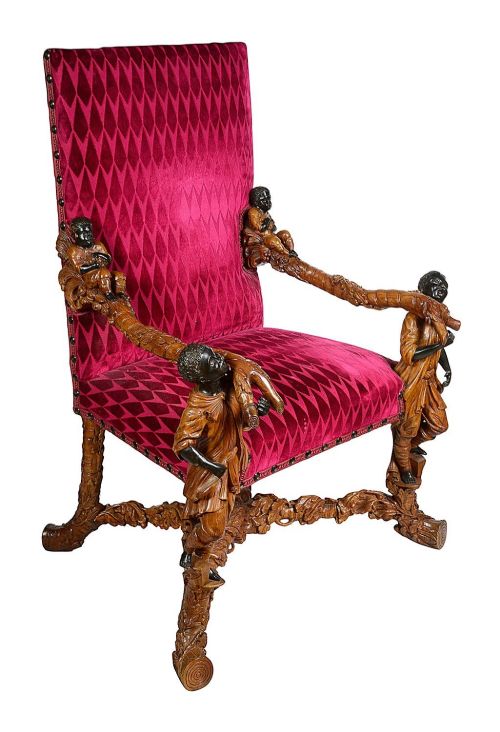
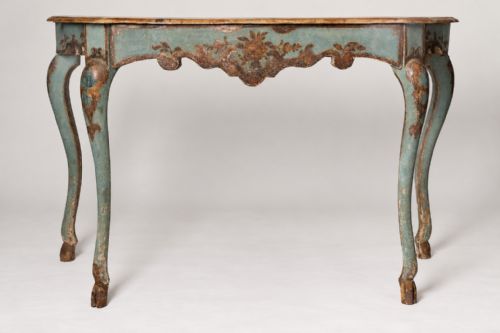
Italian wooden furniture encompasses a broad range of domestic forms spanning multiple centuries, from 18th-century walnut commodes and Venetian console tables to carved oak hall chairs and walnut cabinets. Buyers browsing this selection frequently encounter seating, chests of drawers, side tables, and display stands originating from various periods including the Georgian era and the 19th century.
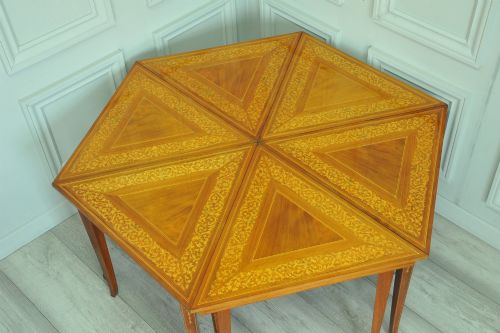
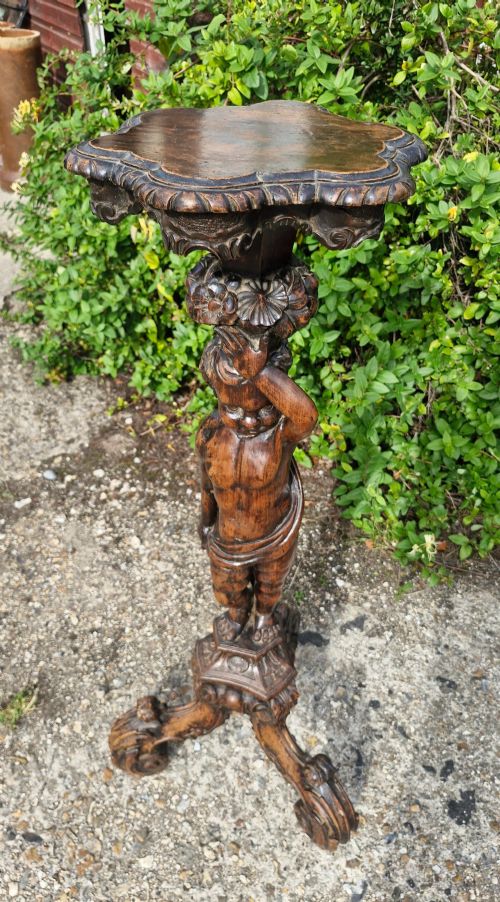
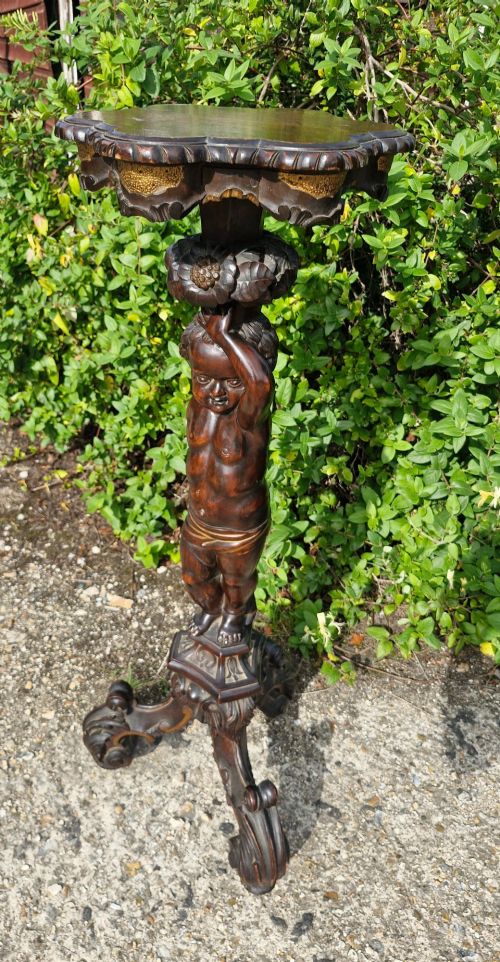
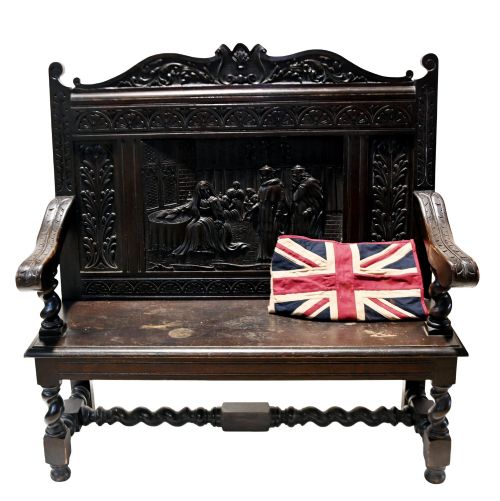
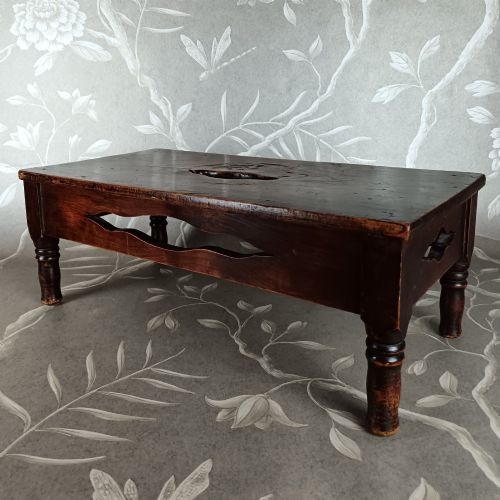
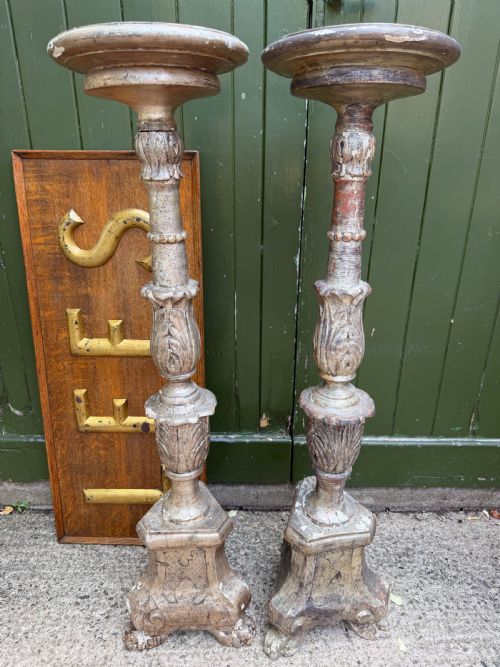
The objects vary from rustic folk art footstools and Sorrento ware marquetry trays to grand Renaissance revival hall benches and elaborately carved torcheres. Walnut is the primary timber seen across these items, alongside cherrywood, oak, and painted surfaces that reflect regional workshops.
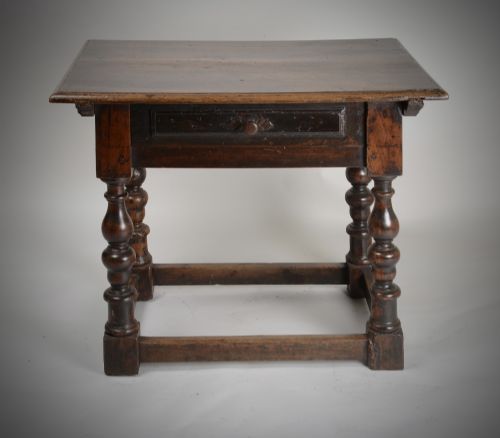
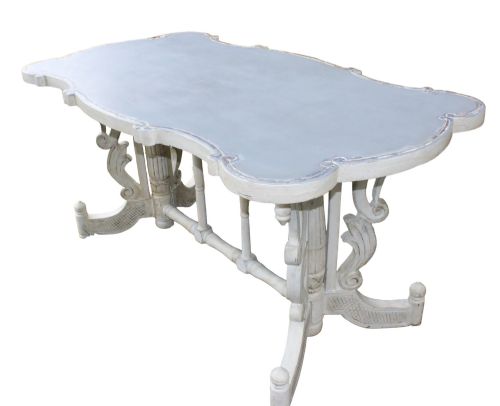
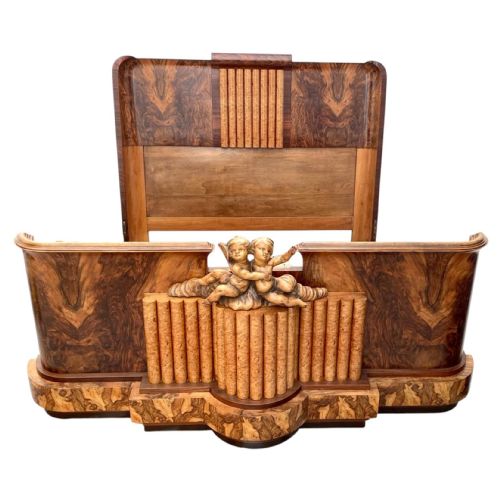
Domestic forms dominate the inventory, ranging from apothecary cabinets and drop-leaf tables to ebonised sofas and polychromed occasional tables. These pieces bridge decorative arts and practical utility, maintaining historical construction methods across centuries of European design.
How they were made
Makers utilised solid timber construction, primarily walnut, cherrywood, and oak, assembling carcasses and frames with traditional joinery suited to the period. Surfaces often received elaborate embellishment through carving, gesso preparation, and gold leaf application.
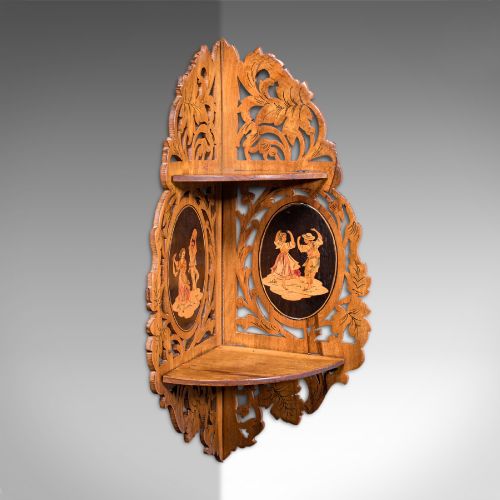
Inlay techniques such as Sorrento marquetry decorated smaller surfaces and trays with contrasting woods, while other items relied on applied paint, ebonising, or polychrome finishes to achieve decorative depth.
Italian Wooden Furniture Retail Price Guide 2026
Typical asking prices for italian wooden furniture among the pieces listed under this phrase on Sellingantiques today, from the lower quarter to the upper quarter. They describe what is for sale here now, not the wider market.
What varies in quality
Quality separates items through the crispness and depth of hand-carving on walnut frames and the preservation of original painted or gilt surfaces. Pieces retaining their early finishes and integrated hardware demonstrate superior original craftsmanship compared to later alterations.
The complexity of decorative techniques, such as detailed marquetry inlay on olive wood or sophisticated structural joinery in commodes and cabinets, dictates the upper tier of the selection.
White, Allom And Co
The Italian Wooden Furniture Glossary
- Sorrento Ware
- A style of decorative woodwork and marquetry originating from the town of Sorrento, frequently utilising inlaid geometric or pictorial motifs on small tables and trays.
- Cassapanca
- A traditional Italian wooden bench featuring a built-in storage chest beneath the seat, often ornamented with carved Renaissance revival panels.
- Commode
- A low chest of drawers or cabinet standing on legs, common in 18th-century Italian domestic interiors.
- Torchere
- A tall decorative stand or pedestal originally designed to support a candle or candelabrum.
- Sgabello
- A type of Renaissance wooden chair characterised by a high carved back and solid trestle supports rather than conventional legs.
Italian Wooden Furniture: Frequently Asked Questions
What periods do these items cover?
The pieces span from the 18th century through the 19th century and into the early 20th century. Examples include Georgian-era seating alongside later revival items.
Craftsmanship styles range from Baroque and Rococo to Renaissance revival and folk art traditions.
Which woods are most common?
Walnut is the predominant timber found across chests, commodes, and seating. Cherrywood, oak, and olive wood also appear frequently in specific regions and forms.
Surfaces are often enhanced with paint, gesso, ebonised finishes, or gold leaf.
How do I identify Sorrento ware?
Sorrento pieces display distinctive marquetry inlay work using multiple contrasting timbers. They typically appear on small tables, trays, and corner shelves.
This technique creates detailed pictorial or geometric patterns directly into the wooden surface.
Where were these pieces used?
These items served functional roles in historic Italian domestic interiors, from grand salons to modest provincial homes. Consoles, cabinets, and chests provided both storage and display space.
Chairs and benches furnished hallways, bedrooms, and reception rooms.