



Italian Wood Bench
An italian wood bench brings tangible history into a room, offering robust seating shaped by centuries of regional craftsmanship.
Italian Wood Bench
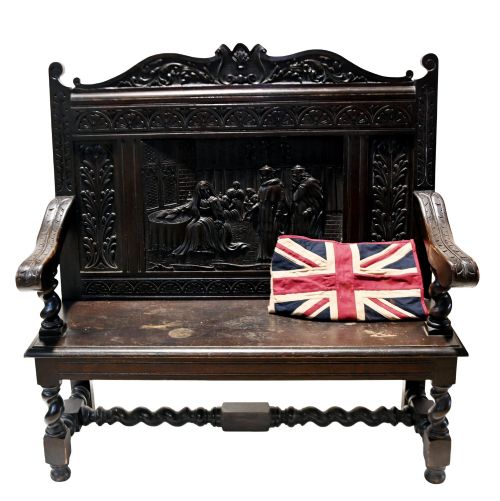
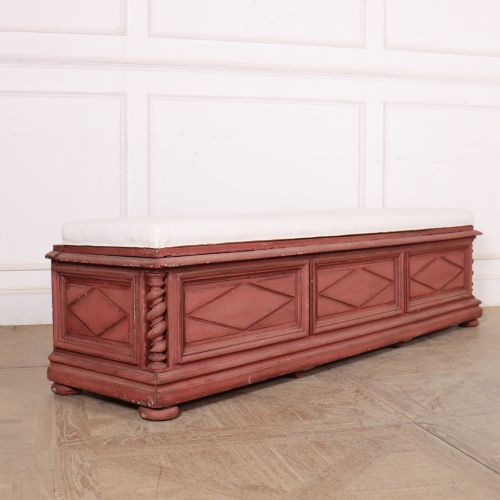
When searching for an italian wood bench, collectors encounter a diverse selection of seating forms ranging from heavy walnut hall benches to carved footstools and settees. The pieces available span multiple periods, including the eighteenth and nineteenth centuries, alongside revival movements like Renaissance Revival and Italian Rococo.
Forms vary considerably in scale and purpose, encompassing long benches, settle designs, X-framed stools, and curule seats. Originating from various parts of Italy such as Venice and Lombardy, these items combine utilitarian function with elaborate regional artistic traditions.
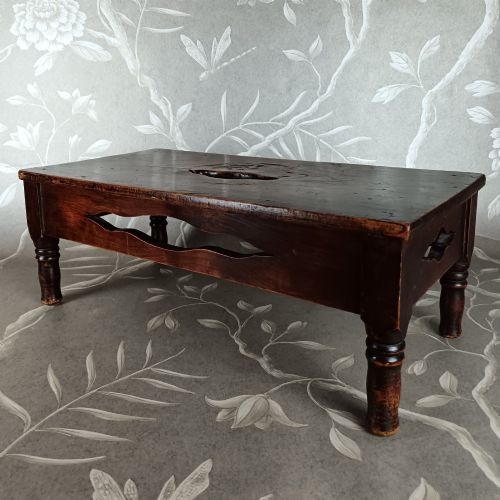
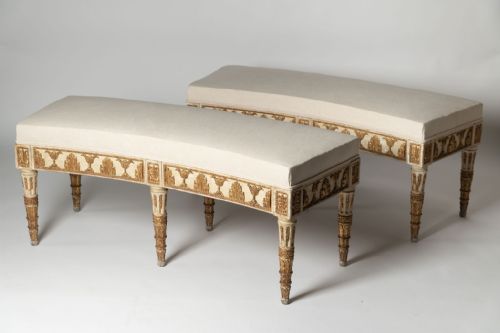
The assortment includes everything from simple folk art wooden footstools to grand giltwood tete-a-tete sofas and leather upholstered benches. Buyers select these objects to anchor hallways, living spaces, and bedrooms with authentic period character.
How they were made
Makers utilised solid hardwoods like walnut, shaping the primary structures through traditional hand-carving techniques. Surfaces often received decorative treatments involving painted wood, gesso, and elaborate gilding to create rich visual depth.
Upholstery and textiles played a vital role in finishing many of these seats, incorporating leather, needlework, and assorted fabric coverings. Joinery relied on time-served carpentry methods appropriate to each period, from eighteenth-century constructions to later nineteenth-century revivals.
Italian Wood Bench Retail Price Guide 2026
Typical asking prices for italian wood bench among the pieces listed under this phrase on Sellingantiques today, from the lower quarter to the upper quarter. They describe what is for sale here now, not the wider market.
Listings feature walnut, giltwood, and painted wood across periods spanning from the eighteenth century to the end of the nineteenth century.
What varies in quality
The standard of carving defines much of the distinction between ordinary seating and exceptional works, with deep, crisp relief work showing superior artisan involvement. The choice of primary timber and the preservation of original giltwood or painted finishes also influence the overall character of the piece.
Structural integrity and the survival of original components, such as upholstery webbing or period leather, separate untouched examples from heavily restored ones. Regional attribution and stylistic adherence to movements like Venetian Rococo or Renaissance Revival add further distinction.
The Italian Wood Bench Glossary
- Giltwood
- Wood coated with gold leaf or a gold-coloured preparation. This finish appears frequently on neoclassical and rococo seating frames.
- Gesso
- A plaster-like mixture applied to wood surfaces as a base for painting or gilding. It allows for crisp decorative moulding before the application of gold leaf.
- Curule stool
- An ancient Roman chair shape characterised by curved X-shaped legs. Nineteenth-century makers revived this classical form for formal seating.
- Settle
- A wooden bench with a high back, solid arms, and often a storage box beneath the seat. These served to block drafts in large historical halls.
- Tete-a-tete
- A double seat allowing two people to sit facing each other in an S-curve configuration. These conversational pieces emerged during the eighteenth century.
Italian Wood Bench: Frequently Asked Questions
How do I identify the period of an italian wood bench?
Dating relies on examining the construction methods, tool marks, and stylistic indicators present in the carved woodwork. Comparing decorative motifs like Renaissance Revival strapwork or Rococo asymmetry against known period examples clarifies the timeframe.
Materials such as walnut and gesso also point towards specific manufacturing eras. Consulting historical records and maker signatures, when present, provides further chronological certainty.
Where were these benches placed historically?
Grand hall benches and settles typically stood in the entryways of large Italian palazzos and country residences. They served as functional seating for visitors and staff.
Smaller stools and settees inhabited private parlours, bedrooms, and drawing rooms. Their placement depended entirely on the scale and social function of the room.
How should I care for antique wooden seating?
Maintain stable indoor humidity levels to prevent the timber from drying out or splitting. Avoid placing antique wood in direct sunlight to protect painted or giltwood surfaces.
Dust regularly with a soft, dry cloth without applying modern silicone polishes. Professional conservation is recommended for any structural repairs or textile restoration.
What is a gondola chair?
A gondola chair is an antique seating form featuring a curved, enclosing backrest reminiscent of Venetian boat profiles. These originate primarily from Venice during the eighteenth century.
They combine lightweight frames with elegant scrollwork designed for decorative interior use. Their distinct silhouette makes them sought-after collector pieces.