

Italian Walnut Carving
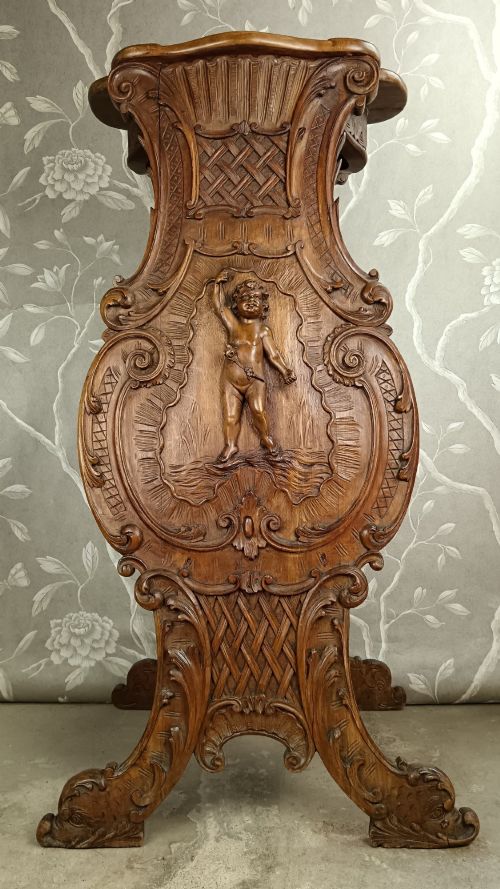
These heavy, sculptural pieces of italian walnut carving bring centuries of continental warmth and intricate craftsmanship into a room.
Italian Walnut Carving
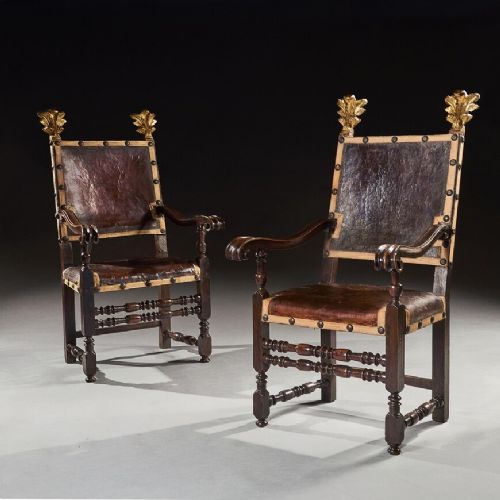
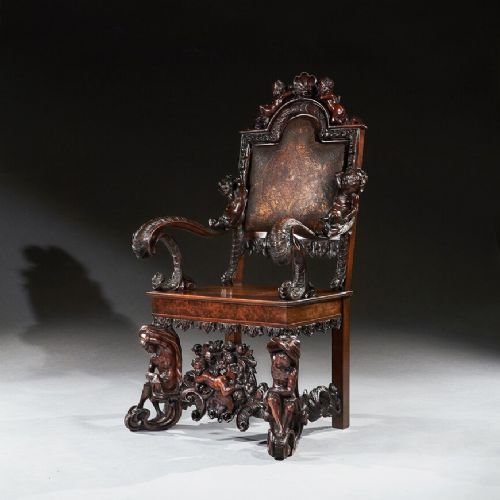
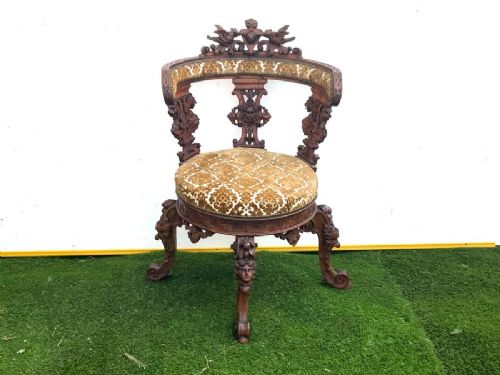
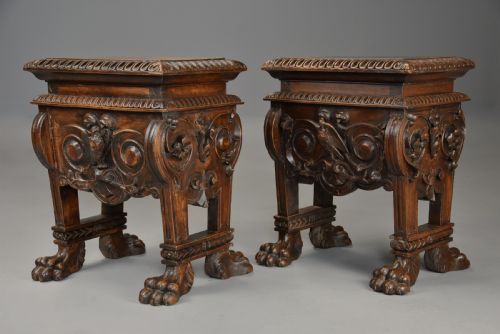
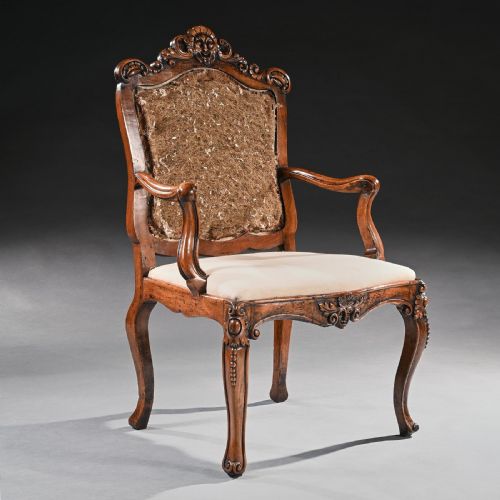
When searching for italian walnut carving, buyers encounter robust furniture and architectural elements dating from the seventeenth century through to the early twentieth century. The selections span grand seating such as armchairs, hall chairs, and stools, alongside functional storage pieces including coffers, chests, and cupboards.
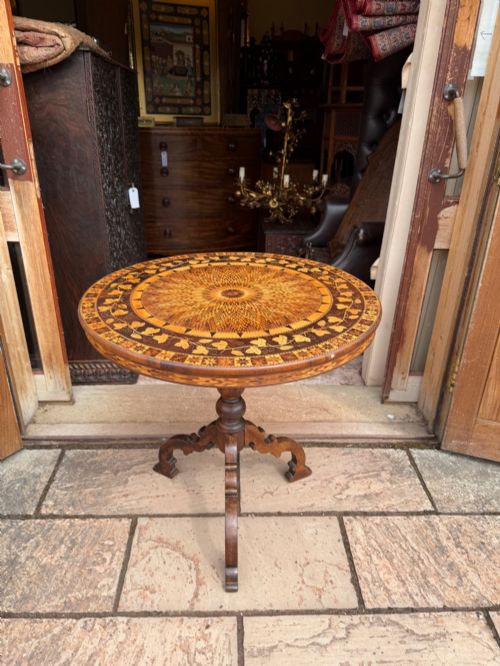
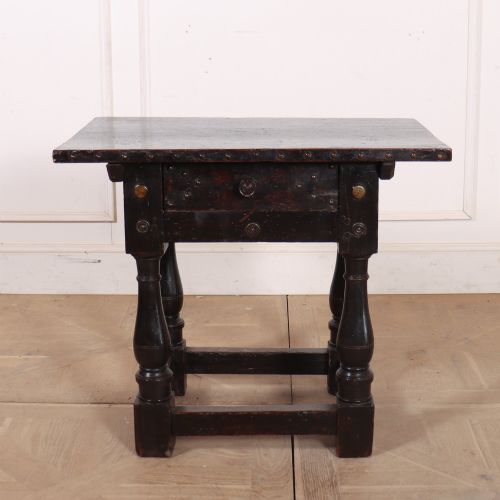
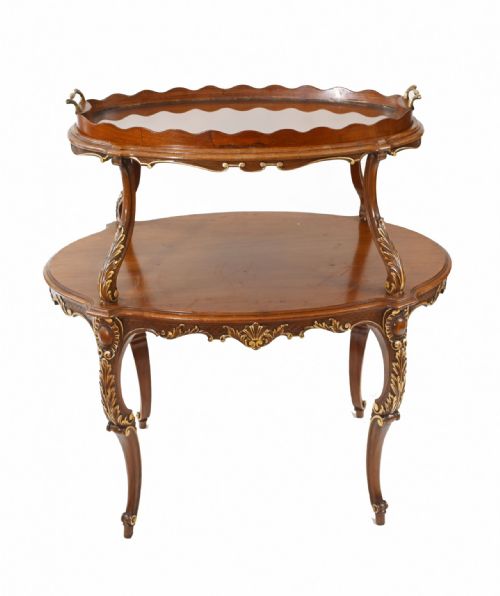
Tables form another significant category, ranging from side and console tables to grand centre tables often paired with marble tops. Architectural salvage, architectural fragments, pedestals, and stands also appear regularly alongside decorative items like urns and wall brackets.
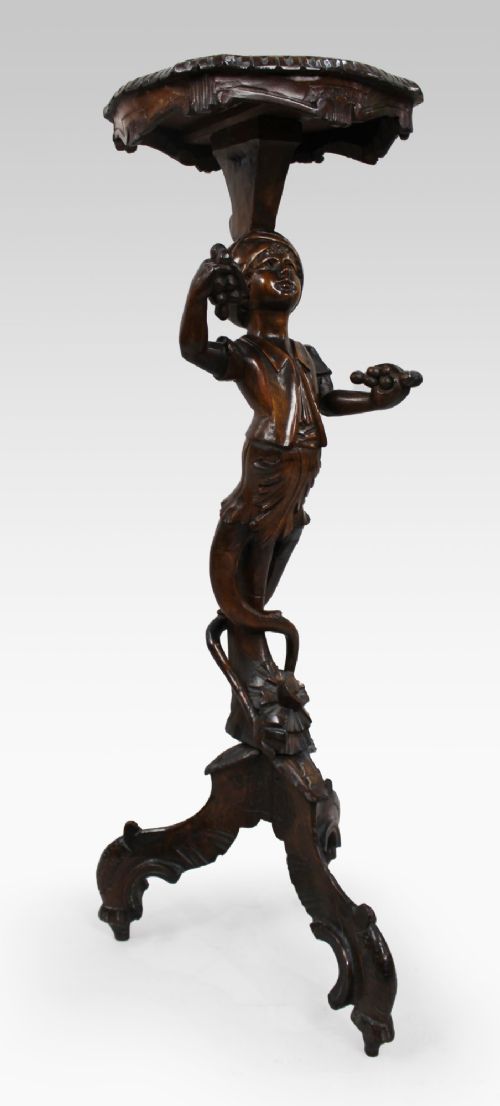
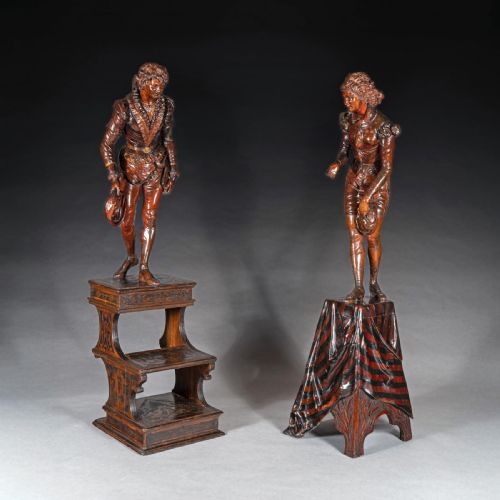
The aesthetic is heavily influenced by periods such as the Italian Baroque, Renaissance Revival, and Rococo Revival, showcasing deep relief and figural motifs. Pieces frequently originate from workshops in regions like Venice, combining utility with theatrical sculptural form.
How They Were Made
European walnut serves as the primary timber, chosen for its dense grain and capacity to hold crisp, deep chisel work. Craftsmen combined this rich wood with secondary materials such as brass, iron, marble, leather, velvet, and glass to add texture and functional contrast.
Many surfaces feature parcel-gilding or inlay work using ivory and exotic woods to highlight specific carved details. Construction techniques rely on traditional joinery suited to heavy timber, supporting elaborate structures like X-framed stools and panelled doors.
Some automated wall clocks hide amongst the heavy furniture, striking the hours with mechanical Venetian precision.
What Varies in Quality
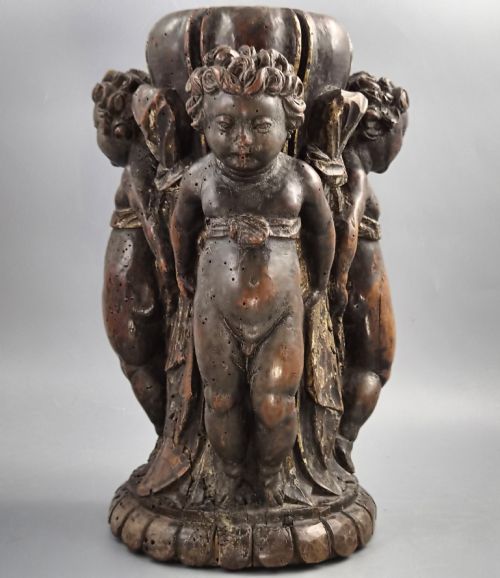
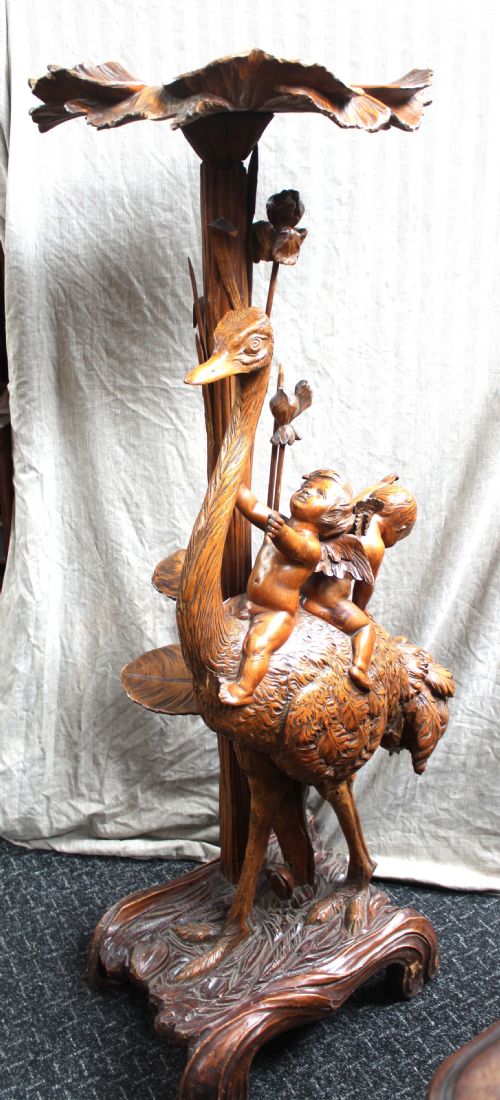
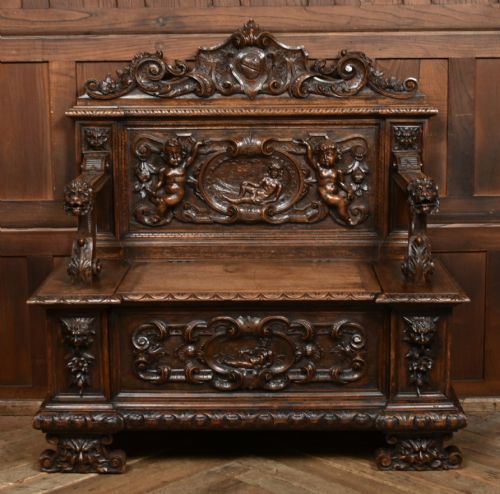
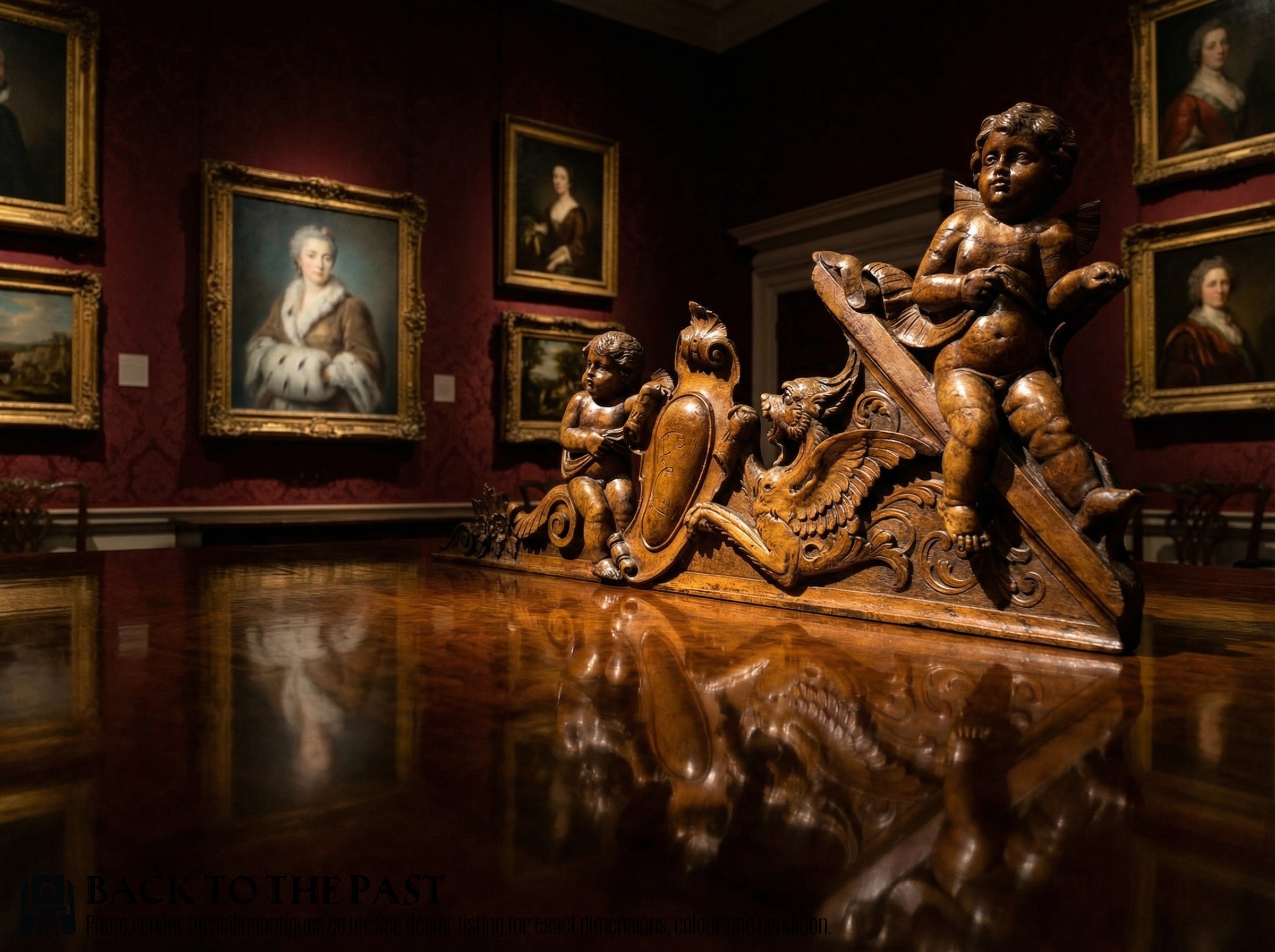
Depth and precision of the chisel work distinguish standard production from exceptional examples, particularly in figural motifs like putti, cherubs, and scrolling foliage. The liveliness and anatomical accuracy of the carving indicate the skill level of the original workshop.
The integration of supplementary materials, such as figured marble tops or original leather and velvet upholstery, elevates the standing of a piece. Preservation of the original timber surface, retaining natural patination rather than over-restored finishes, marks superior examples.
Andrea Brustolon·Valentino Besarel·Odo
The Italian Walnut Carving Glossary
- Cassapanca
- A traditional Italian wooden bench featuring a high back, armrests, and a storage compartment beneath the seat. This form combines seating with heavy chest storage.
- Cassone
- A large, richly decorated chest used in Renaissance Italy for storing valuables and household linens. They often display intricate carvings, gilt decoration, or painted panels.
- Torchiere
- A tall ornamental stand or candlestick designed to hold a light source. In carved walnut, these often feature figural or putti supports.
- Demi Lune
- A half-moon shaped furniture form typically applied to console tables designed to sit flush against a wall. They frequently feature marble or wooden tops.
- Parcel Gilt
- A decorative technique where specific areas of a wooden object are selectively coated with gold leaf. This highlights carved details against the dark walnut ground.
Italian Walnut Carving: Frequently Asked Questions
How do I care for antique walnut?
Keep wooden surfaces away from direct heat sources and strong sunlight to prevent the timber from drying out or splitting.
Apply a traditional beeswax polish sparingly and buff gently with a soft cloth to maintain the natural lustre without building up heavy residue.
Where should I place a console table?
These tables suit hallways, entranceways, or living rooms where their sculptural bases and marble tops can be viewed without obstruction.
Ensure the floor is level, as heavy walnut and stone combinations require stable placement to prevent tipping.
How do I distinguish Baroque from Rococo?
Baroque pieces display monumental symmetry, heavy muscular forms, and deep, dramatic relief work designed to project power and theatricality.
Rococo designs introduce asymmetrical C-scrolls, lighter pastel aesthetics, and playful naturalistic motifs such as shells and trailing flora.
Are these pieces suitable for daily use?
Sturdy seating, tables, and storage chests were built for utilitarian purposes and remain robust enough for everyday modern living.
Care should be taken with delicate elements like parcel gilding, intricate crest rails, and inset marble tops during routine cleaning.