


Italian Stone Sculptures
Italian stone sculptures bring the weight of classical antiquity and the Grand Tour directly into a room.
Italian Stone Sculptures
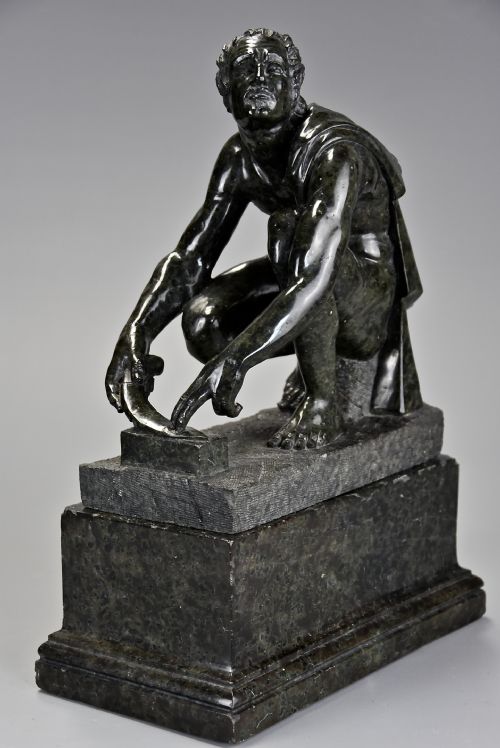
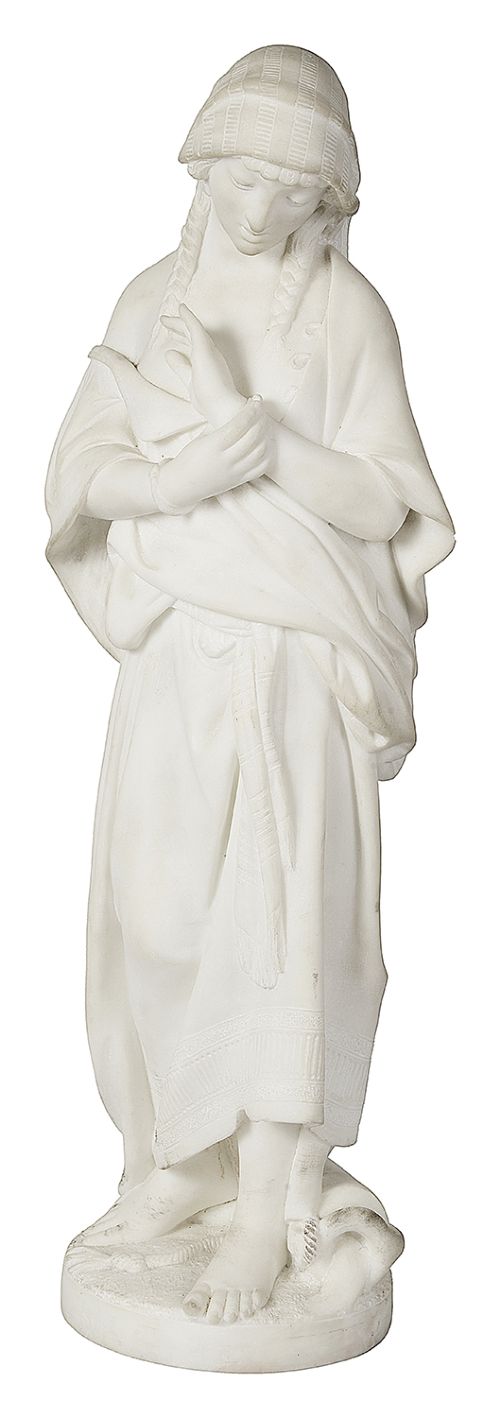
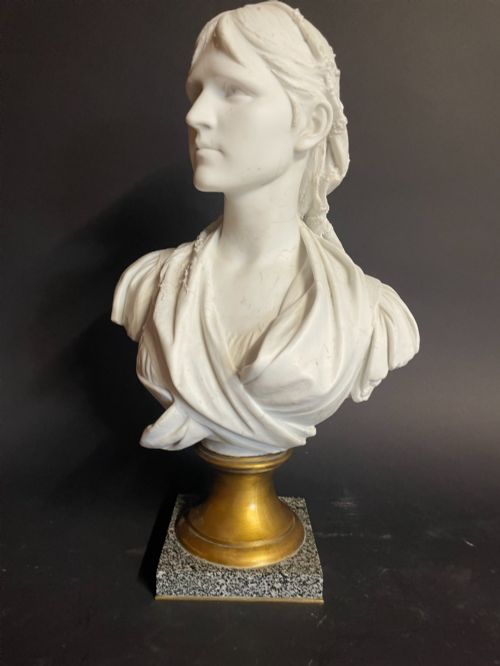
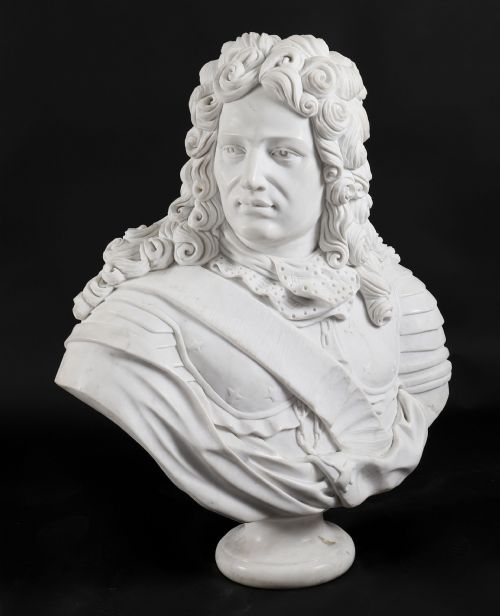
Italian stone sculptures encompass carved figures, busts, animals, and architectural ornaments originating from various periods, most notably the nineteenth century. When exploring italian stone sculptures, buyers frequently encounter Grand Tour souvenirs, classical copies after the antique, and decorative architectural fragments.
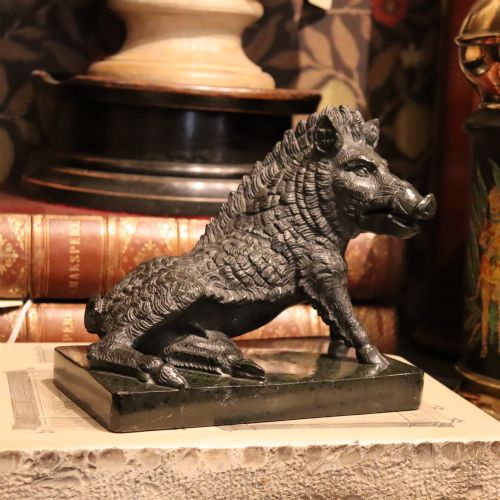
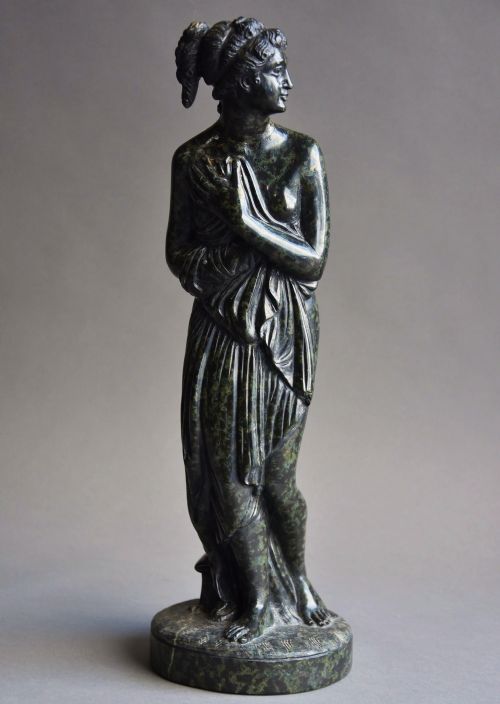
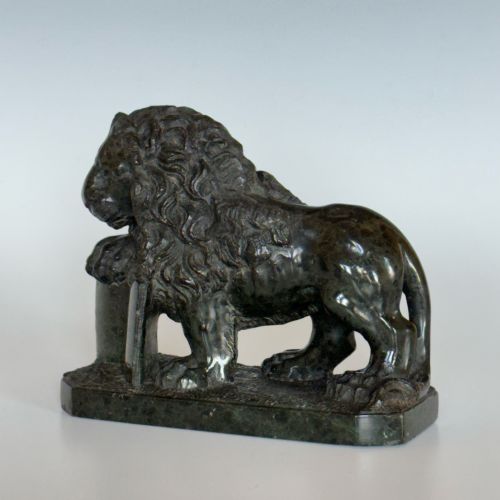
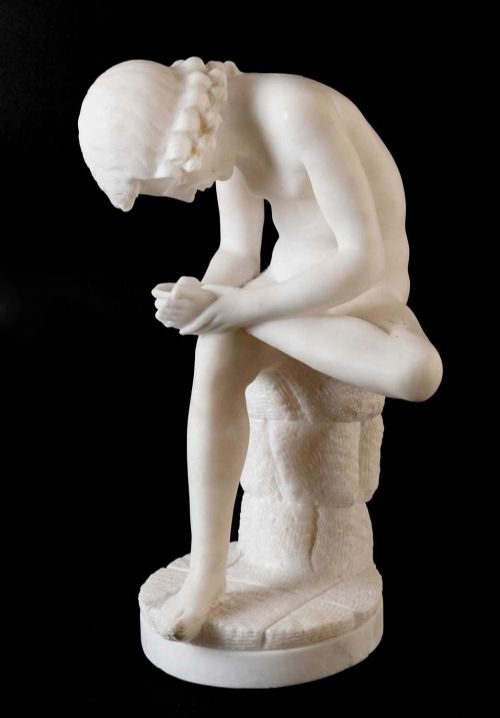
The selections span from miniature depictions of classical subjects like the Florentine boar and Venetian lions to monumental garden ornaments and portrait busts. Works drawing on Neoclassical and Renaissance revival styles dominate the inventory, often echoing famous museum pieces.
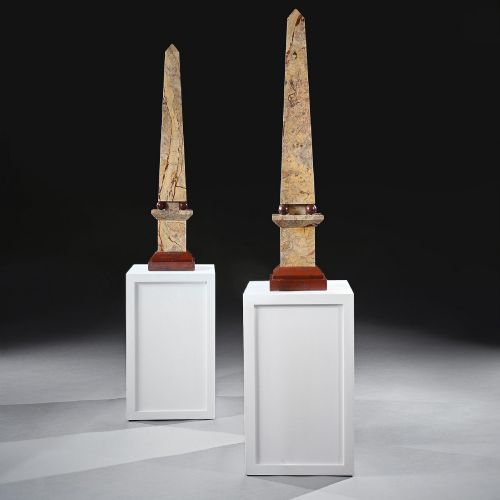
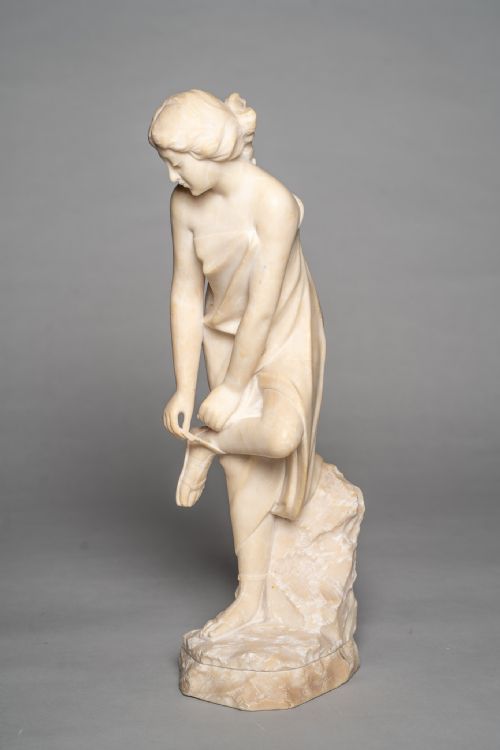
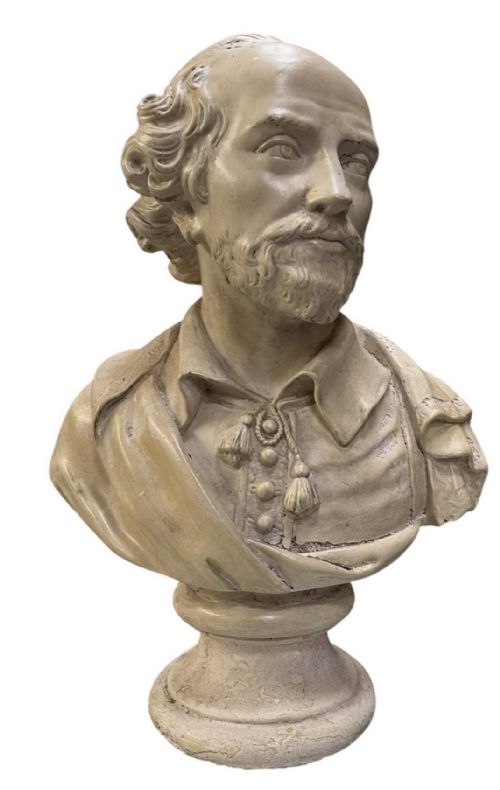
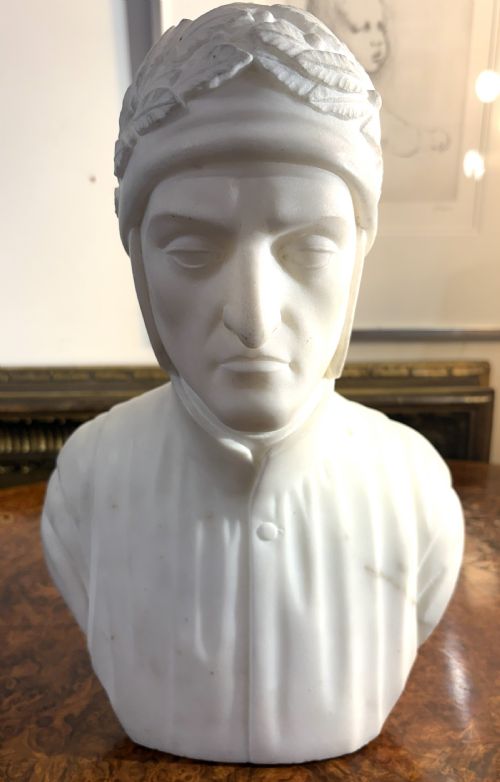
Subjects range from mythological figures such as Venus and Diana to literary and historical personages including Dante and Shakespeare. Sculptures appear in domestic library sizes as well as substantial pairs of obelisks and architectural columns.
How they were made
Carvers shaped these works primarily from various types of marble and alabaster, utilising traditional hand chisels, rasps, and drills to achieve intricate detail. Artisans selected specific stones such as Carrara marble, serpentine, portasanta, and rosso antico for their distinct grain, colouration, and capacity to hold a fine polish.
Makers also employed scagliola for pedestals, combining pigmented selenite plaster with glue to imitate natural marble. Plaster served for preparatory models or finished portrait busts, capturing fine facial expressions through direct casting and surface finishing.
The inventory records sculptural forms ranging from wall plaques and library busts to monumental garden lions and architectural obelisks.
What varies in quality
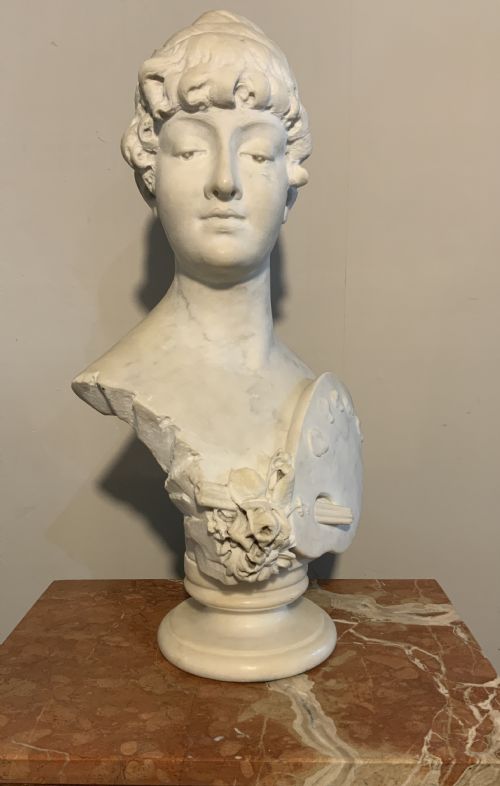
Quality rests upon the crispness of the hand-carving, the depth of anatomical understanding in figures, and the fidelity of the translation from antique source material. Superior pieces display sensitive facial expressions, realistic drapery folds, and clean articulation of muscular and textural details.
The choice and figuring of the stone significantly influence the overall character of a piece, with richly veined marbles and unblemished alabaster commanding greater visual presence. Workshops known for signed works or specific sculptural traditions demonstrate a higher standard of finishing compared to generic commercial souvenirs.
Barranti·Antonio Canova·Raffaelo Monti·A.Gamay·R. Mattei·Pugi·Eduardo Giolli·P. Della Vedova·Ferdinando Vichi·Cipriani
The Italian Stone Sculptures Glossary
- Grand Tour
- A cultural journey undertaken by wealthy young Europeans in the eighteenth and nineteenth centuries, resulting in the acquisition of art and small-scale classical sculptures. Travellers collected miniature marble and alabaster copies of famous antiquities.
- Carrara marble
- A type of white or blue-grey marble quarried in the city of Carrara in Tuscany, widely used for classical sculpture and architectural monuments. Its uniform texture makes it exceptionally suitable for fine portrait busts and detailed figures.
- Serpentine marble
- A green, mottled stone resembling snakeskin, frequently utilised by Italian carvers for Grand Tour animals and architectural ornaments. It provides a striking dark contrast to white marble elements.
- Alabaster
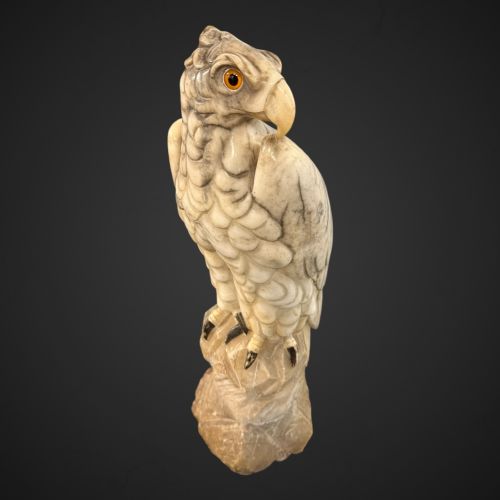
- A fine-grained, translucent stone that is softer than marble, allowing for delicate carving and subtle transmission of light. It appears frequently in nineteenth-century figurative sculptures and plant stands.
Italian Stone Sculptures: Frequently Asked Questions
What are Grand Tour sculptures?
Grand Tour sculptures are nineteenth-century reductions or copies of famous classical antiquities created in Italy for foreign travellers. They served as sophisticated mementoes of educational travels through Rome, Florence, and other cultural centres.
These pieces allowed collectors to display classical taste within their home libraries and drawing rooms. They range from small marble animals to detailed alabaster figures of mythological subjects.
How do I care for marble and alabaster?
Marble and alabaster require gentle dusting with a soft, dry cloth to prevent surface accumulation. Avoid using water, chemical cleaners, or acidic solutions, particularly on softer stones like alabaster.
Keep pieces away from direct heat sources and sudden temperature fluctuations to preserve the structural integrity of the stone. Natural waxes may be applied sparingly by specialists to maintain a subtle sheen.
Where were these sculptures displayed?
In the nineteenth century, these sculptures occupied prominent positions in libraries, studies, and entrance halls. Obelisks and portrait busts sat upon mantelpieces, desks, or dedicated marble columns and scagliola pedestals.
Larger figures and animal statues were also placed in conservatories or formal gardens. Their heavy weight and classical themes suited grand architectural interiors of the period.
How can I tell alabaster from marble?
Alabaster is noticeably softer than marble and possesses a natural translucency when held near a light source. It can be scratched with a metal coin, whereas marble resists surface marking.
Marble exhibits a harder crystalline structure with varied veining depending on the quarry origin. Sculptors utilised the translucent quality of alabaster to achieve a softer, more lifelike glow in figurative works.