



Italian Serpentine Chests
Italian serpentine chests are curved drawer units built with rich wood grains and painted finishes that anchor a traditional interior with elegance.
Italian Serpentine Chests
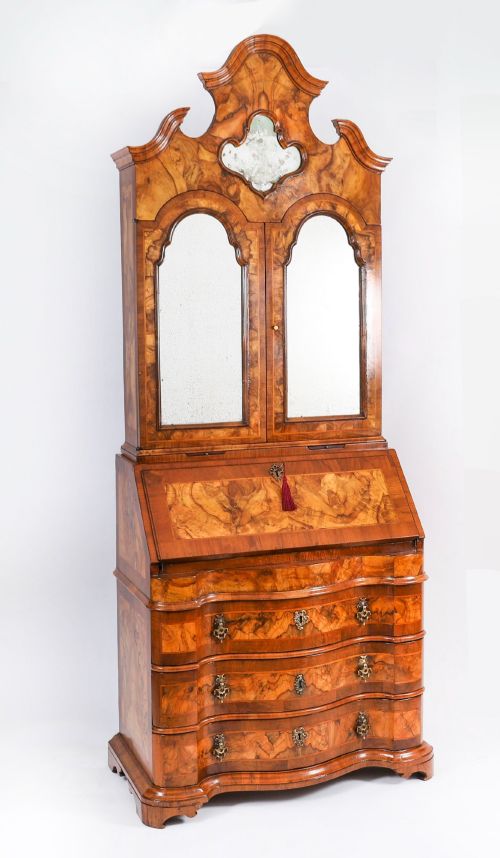
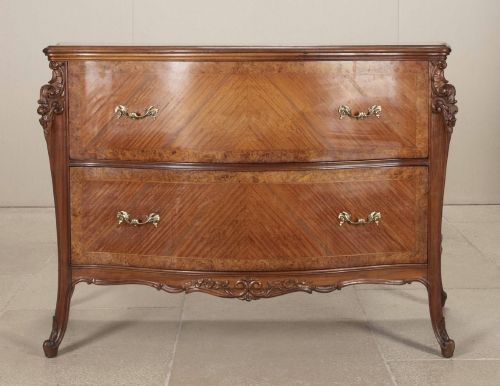
Italian serpentine chests comprise freestanding drawer units and commodes defined by their undulating, wave-like fronts. You will encounter grand commodes alongside compact bedside tables, spanning periods from the eighteenth century up to the early twentieth century.
The materials recorded in these pieces include walnut, burr walnut, fruitwood, and satinwood, alongside painted wood and ebonised examples. Many feature decorative details like brass hardware and giltwood accents to complement the sweeping woodwork.
Makers and artisans styled these items using Italian Rococo, Venetian Rococo, and Neoclassical vocabularies, as well as French Chateau influences. The resulting forms range from restrained eighteenth-century outlines to exuberant nineteenth-century revival interpretations.
How they were made
Cabinetmakers constructed these pieces using solid timbers such as walnut and fruitwood, applying figured veneers like burr walnut and satinwood across the curved drawer fronts. Ebonised wood and painted finishes also appear, requiring careful preparation of the timber substrates before decoration.
Metal elements including brass mounts and handles punctuate the wooden surfaces, while carved details adorn painted and giltwood pieces. The undulating serpentine and bombe profiles demand precise joinery to shape the timber without compromising structural integrity.
Italian Serpentine Chests Retail Price Guide 2026
Typical asking prices for italian serpentine chests among the pieces listed under this phrase on Sellingantiques today, from the lower quarter to the upper quarter. They describe what is for sale here now, not the wider market.
Design influences span Venetian Rococo and Neoclassical styles, with forms ranging from commodes to bedside tables.
What varies in quality
The distinction between tiers of quality rests on the selection of timber veneers and the fluency of the carved decoration. Richly figured burr walnut and crisp carving indicate higher workshop standards.
Proportion and the execution of the sweeping serpentine curve dictate the visual success of each piece. Superior examples maintain balanced lines across the commode or bedside chest, whereas lesser items miss the rhythm of the curve.
The Italian Serpentine Chests Glossary
- Serpentine
- A furniture front shaped with a central convex curve flanked by concave sections. This undulating profile creates movement across the face of the chest.
- Commode
- A low chest of drawers or cabinet originating in France but widely adopted in Italy. These storage pieces often serve as focal points in reception rooms or bedrooms.
- Burr walnut
- Timber taken from the warted growths on walnut trees, yielding intricate, swirling grain patterns. Cabinetmakers prize this wood for decorative veneering on elite furniture.
- Bombe
- A swollen, bulging contour found on the sides and front of case furniture. This rounded profile requires advanced woodworking skill to execute properly.
- Giltwood
- Timber treated with gold leaf or metallic paint to create a lustrous surface. This finish often highlights carved details on revival and baroque furniture.
Italian Serpentine Chests: Frequently Asked Questions
Where should I place an Italian serpentine chest?
These pieces suit living rooms, hallways, and bedrooms where their curved fronts and rich wood grains draw the eye. Pair a larger commode with a simple wall mirror to balance its visual weight.
Compact bedside chests work well beside lower bed frames, providing surface space while keeping the room layout open.
How do I care for burr walnut veneer?
Protect the polished wooden surfaces by keeping them away from direct sunlight and steady heat sources that can dry out the timber. Dust regularly with a soft, dry cloth to prevent abrasive particles from settling.
Avoid using silicone-based polishes or damp cloths, which can damage historic finishes over time.
What is the difference between a commode and a chest?
A commode is a specific form of low chest of drawers, traditionally used in continental Europe for formal storage. They often feature more decorative carving and veneering than standard utility chests.
Chest of drawers is a broader term that encompasses both utilitarian designs and decorative commodes.
How can I tell an 18th century piece from a later revival?
Eighteenth-century examples typically display construction methods, timber ageing, and hand-cut joinery consistent with the period. Revival pieces from the nineteenth and early twentieth centuries often adopt these historical styles using contemporary workshop practices.
Examining the interior secondary woods and backboards helps reveal the true age of the piece.